Geoffrey Vanderpal PurdueUniversityGlobal Texas A&M University
Randy J.Brazie
The evolution of corporate practices has made it more challenging for modern workers to remain in their respective roles for long periods, leading to high turnover. Accordingly, the employee turnover problem can be investigated by assessing the factors that encourage employees to shift from the safe and calm state to the fight or flight state. The Polyvagal Theory (PVT) is an innovative framework for understanding the relationship between the autonomic nervous system, emotional regulation, and social engagement. This study’s primary objective is to investigate the emerging trends in modern human resource management practices that encourage workers to resign prematurely. The findings divulge that the PVT can allow organizations to improve employee retention by implementing strategies that appeal to the workers’ psychological and emotional wellbeing.
Keywords:PolyvagalTheory(PVT),employeeturnover,turnoverintentions,HRM,employeesatisfaction, employee retention
INTRODUCTION
This work understands that attrition or turnover is a normal part of business operations. It is a normal part because employees will leave due to illness, retirement, or relocation, which are unavoidable reasons for leaving. At the same time, companies may lose their staff due to avoidable reasons. Now, the sole purpose of any business is the pursuit of profit and value for shareholders. This pursuit means that organizations have to find ways to improve operational efficiency by maximizing on all resources offered. Hence, business operations can be viewed from a simple input-output lens, where every valuable resource, including employees, has a quantifiable benefit that should, ideally, outweigh the cost. At this point, it becomes clear that the human resource is just a means to an end, a metric that ensures that the firm meets its operational goals. This view is a tad dehumanizing as it creates the perception that the workforce is dispensable. Attrition and turnover intention have been studied from multiple lenses, which can be summarized into person-organization fit and person-job fit dimensions. These theories focus on the individual and their motivations such as income expectations, work-life balance, interpersonal attributes and qualities, the workload, qualifications for the role, and attitudes. All these dimensions are often quite
logical and offer a detailed approach to understanding employee turnover. At the same time, some theories have attempted to go for behavioral explanations. These behavioral explanations stem from a psychological standpoint, with the theorists covering the relationship between one’s psychological or emotional state with their decision to exit the organization. For example, Zhang and Yang (2023) recently constructed a new turnover theory arguing that the psychological goal system is a proper driving theory of employee turnover and further explaining that there exist psychological goals in the individual that could explain employee turnover. In this study, we attempt to take on a more physiological approach to explaining employee turnover by understanding the fight, flight or freeze responses articulated in the Polyvagal Theory and embedded in the human DNA as a potential explanation for employee turnover. Thus, we postulate that the theory can be used to analyze the relationship between an employee’s autonomic nervous system (ANS) state and turnover intentions. The theory aims to assess how employees transition from a calm and social state to a fight-or-flight or freeze state. Thus, the findings are crucial for elucidating how organizations should create conducive work environments for their workers.
BACKGROUND OF THE POLYVAGAL THEORY
The Polyvagal theory provides an explanation to the link between physiological states and their implications for human behavior. According to Porges (2011), this theory “describes an autonomic nervous system that is influenced by the central nervous system, sensitive to afferent influences, characterized by an adaptive reactivity dependent on the phylogeny of the neural circuits, and interactive with source nuclei in the brainstem regulating the striated muscles of the face and head.” Essentially, this author notes that there is an innate biological or physiological explanation to much of human behavior. Porges (2011) further provides an example of the social communication system, which involves the myelinated vagus, which purposes to foster calm behavioral states through the inhibition of sympathetic influences to the heart and dampening the hypothalamic pituitary-adrenal axis. He closes with a rather powerful assertion that the mammalian autonomic system’s evolution has close links to affective (emotional) experience, emotional expression, facial gestures, vocal communication, and contingent social behavior, all of which are required in the workplace. Based on this assertion, one can attempt to link our evolutionary traits and offer a physiological explanation to how employees fit within their organizational environment.
The Polyvagal Theory is a complex and nuanced theory of neuroscience that delves into the intricacies of the relationship between the autonomic nervous system and emotional regulation, with a particular emphasis on social behavior. Developed by the renowned neuroscientist Dr. Stephen Porges, this theory posits that the autonomic nervous system is not a monolithic entity, but rather comprises two distinct branches- the sympathetic nervous system, which is responsible for activating the “fight or flight” response to a perceived threat, and the parasympathetic nervous system, which is responsible for both activating the “rest and digest” response and mediating the primitive “freeze” response in certain situations. These branches of the ANS play a vital role in regulating emotions and behavior in social contexts in response to perceived threats or stress.
The Polyvagal Theory proffers that the capacity for emotional regulation and social behavior, which is mediated by the “social engagement system,” is crucial for the successful functioning of an organization. By comprehending the intricate ways in which the ANS impacts emotions and behavior, individuals and teams can more effectively manage their responses to stress and uncertainty, thereby resulting in improved outcomes. Furthermore, the theory emphasizes the significance of fostering a positive and supportive social milieu within the organization. By cultivating an organizational culture that is predicated on trust, openness, and positive social interactions, the “social engagement system” is activated, and employees are better able to regulate their emotions, thereby leading to improved decision-making, collaboration, and overall performance. Moreover, the theory also highlights disruptions to the “social engagement system” can lead to emotional dysregulation, which can have a detrimental impact on communication, problem-solving, and creativity, ultimately impeding organizational performance. Therefore, it is imperative that organizations are attuned to and address any disruptions to the “social engagement system” so that employees are able to perform at their optimal level and make decisions that lead to improved outcomes for the organization.
However, the contemporary organizational milieu has become increasingly complex in light of the evolution of corporate practices, with a majority of corporations promoting competitive work environments that are geared towards eliciting the full potential of workers. These strategies often result in more drawbacks than benefits. Rather than augmenting employee satisfaction, these practices often engender harmful work environments that can traumatize workers or increase their stress levels, leading to low employee satisfaction and subsequent high turnover within the organization. For that reason, research by De Clerq et al. (2020) reveals that the tendency of employees to leave their current jobs and look for alternative employment is a major concern. This study seeks to explain employee turnover from this physiological perspective, providing a possible explanation to why employees leave the firm. In turn, organizations can apply this dimension in developing mitigative structures to eliminate employee turnover or reduce it to acceptable levels within the firm.
PROBLEM STATEMENT
Human capital is the most challenging resource to manage because people have free will. The employee is a complex person with emotions and an individually unique life experience that differs from every other staff member. While a company can have a rigorous recruitment framework to try and bring together like- minded persons to work together, each of these individuals experiences life differently. Based on this assertion, employee turnover cannot be avoided, but it can be mitigated. Jang and Kandampully (2018) argue that indeed some employee turnover is unavoidable. For example, these dimensions include illness, retirement, and pursuit of personal goals. In instances such as the COVID-19 pandemic, employers also noted a serious shift in attitudes to work, with careers such as hospitality and nursing facing voluntary turnover as people underwent a rather traumatic period that led to significant transformation in how they viewed their careers, especially in the lens of stability. The other forms of turnover, which include premature exits due to the prevailing state of events in the workplace could be avoided or mitigated so that the firms can reduce the burden on the remaining labor force.
Employee turnover is a critical challenge in most organizations. An article published by the Harvard Business Review reveals that employee turnover in the modern work environment is relatively high (Tupper and Ellis, 2022). These changes can be attributed to the never-ending cycle of releasing and recruiting new workers. In addition, technological advancements have reduced society’s reliance on physical labor. Alternatively, other workers resign prematurely because they lack sufficient career progression opportunities or work in unconducive organizational environments. If this trend continues, employee turnover is projected to increase by 50-70% (Tupper and Ellis, 2022). The current study aims to highlight how creating a polyvagal-informed work environment can alleviate rising employee turnover rates worldwide.
Research reveals that the turnover trends and impacts vary in accordance with the industry. For instance, the leisure and hospitality industry (84.9%) records the highest turnover rates, followed by workers in professional and business services (64.2%) (Hansen, 2022). In comparison, the lowest turnover rates were recorded in the education and health (37.3%), and the public sector (18%) (Hansen, 2022). Furthermore, the turnover costs are also relatively in high most industries. For instance, most industries require corporations to dedicate at least double the employee’s annual salary to compensate for the lost work hours (Hansen, 2022). For managers making $60,000 each year, an organization may incur at least
$30,000 in recruiting and training expenses. Reports predict that the estimates are $1,500 for hourly workers, 100%-150% for employees in technical positions, and up to 213% for workers in C-level positions (Charaba, 2022). Therefore, high turnover poses adverse impacts on an organization’s financial performance.
Employee turnover can increase the chance of losing talented workers and reduce the performance and profitability of the employing organization. Reliable reports reveal that modern organizations are recording unprecedented levels of employee turnover. Furthermore, projections reveal that 40% of workers are likely to leave their jobs within the next six months due to unmanageable workloads, lack of professional growth, and low professional support (Field et al., 2021). Employee turnover is usually associated with the following issues: lost productivity and increased recruitment costs (Al-Suraihi et al., 2021). In addition, there is no guarantee that the new hire will deliver the same productivity as the lost worker, especially while they are learning the job. High turnover rates imply that worker retention is a critical flaw within the organization. There are several reasons employees leave work prematurely: job dissatisfaction and discrepancies between the person and the job (Al-Suraihi et al., 2021). The findings show that many workers feel undervalued, while others are stressed due to their workloads and work environments. In comparison, some workers leave due to work-life imbalances and reduced confidence in the organization’s leaders. Overall, various factors hinder or optimize the performance of workers.
In addition, the modern corporate environment has evolved due to emerging changes in the global market. For instance, the global economic slowdown and rising market competition have amplified the challenge (Cao et al., 2022, p. 1). For that reason, poor mental health has become a major concern in most organizations. The issue is often accompanied by mental health problems such as anxiety, fear, and depression (Cao et al., 2022, p. 2). The recent changes in the external organizational environment have introduced new psychological challenges for employees that can reduce their organization’s performance. In addition, mental health affects the workers’ internal psychological condition and interactions with their external environment. However, the relationship between mental health and organizational performance is still relatively unclear (Cao et al., 2022, p. 2). Thus, it is useful to expound on the emerging issues facing employee satisfaction and turnover in the global market.
Furthermore, the COVID-19 pandemic has amplified the adverse impacts on employee health and wellbeing. While the outbreak was initially associated with adverse health impacts, it has also caused negative effects on the attitudes and psychology of workers. For instance, it has increased job stress levels, thereby increasing turnover intentions (Lai et al., 2022, p. 1). Job stress is a behavioral and physiological reaction felt by individuals when they are coerced or exposed to threatening situations in their respective work environments (Lai et al., 2022). In the beginning of 2020, the COVID-19 pandemic posed a significant threat to the health and lives of many people around the world. Therefore, some researchers have sought to investigate how job stress associated with the COVID-19 pandemic affects employee turnover and organizational performance (Lai et al., 2022). The COVID-19 outbreak negatively affected employee productivity by increasing job stress and turnover intention. Therefore, it is helpful to explore how organizations can reduce the stress derived from their internal and external work environments.
EXISTING THEORETICAL EXPLANATIONS FOR EMPLOYEE TURNOVER
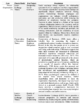
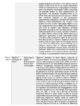
As previously mentioned, some of the existing employee attrition or turnover theories can be classified into how the person fits within the role or the organization. Essentially, these theoretical perspectives focus on an individual’s qualities, aspirations, attitudes, and input into the firm and weigh these aspects against how the firm responds to these or how the role enables the employee achieve these goals. Take for example Tretiakova and Hadoud’s (2021) work, the researchers noted that specific demographic characteristics such as age and marital status profoundly impacted job motivation, leading to turnover intentions. Similarly, Jang and Kandampully (2017) showcase the transactional relationship between personalities at the workplace. On one end, the employee invests their resources into the organization, whereas the firm, through its leaders/management, offers certain reciprocal elements that must match an employee’s expectation. Therefore, it becomes clear that turnover and turnover intentions are all based on the employee’s interactions with certain factors within the workplace environment. The table below presents how different theories can be categorized based on these two dimensions.
TABLE1
MODELSINFLUENCINGEMPLOYEEANDEMPLOYERRELATIONSHIPS

THE RATIONALE FOR THE RESEARCH
As noted in the previous section, there has been limited physiological information or theories on employee turnover. The aforementioned theories focus on the contractual agreement between the staff member and the organization. The individual must feel that the value or benefit derived from working for a company should match or surpass the costs incurred when working with an organization. Taking an in- depth look at the Maslow Hierarchy of Needs theory, the benefits vary depending on an employee’s needs.
At the same time, a look into the perceived costs reveals that they could be quantified as either psychological, emotional, and social distress. For instance, a worker who sees a poor work-life balance may experience some social discomfort or may feel that the job is affecting their social life negatively. Similarly, lack of autonomy or inadequate recognition could result in psychological distress for an employee. Emotional distress might manifest in feelings of anxiety or frustration due to lack of growth opportunities or unsatisfactory work conditions. This perspective is somewhat complemented and extended by Self- Determination Theory (SDT). Where Maslow’s theory gives us a layered structure of human needs, SDT delves into the psychological factors that either facilitate or inhibit a person’s ability to integrate and act in healthy ways. Autonomy, competence, and relatedness, the core needs highlighted in SDT, serve as prerequisites for job satisfaction and, consequently, employee retention. Just as with Maslow’s hierarchy, when these fundamental needs are not met, the chances of turnover increase. The concept of Leader- Member Exchange (LMX) also fits into this framework of examining employee turnover. High-quality LMX relationships are characterized by mutual respect, trust, and obligation. These relationships enhance job satisfaction by fostering open communication and a high degree of autonomy, aligning closely with the needs specified in both Maslow’s and SDT theories. Lower-quality LMX relationships could contribute to feelings of isolation or undervaluation, thereby increasing the likelihood of turnover. All these points of view are mainly psychological. The biology of employee turnover, therefore, needs to be dissected and properly studied. This is where the PVT approach comes in. By showcasing the link between turnover and PVT, one can possibly bridge the information gap that exists, leading to a more holistic view of employee turnover.
An employee’s mental health plays an important role in determining workers’ performance within an organization. Cao et al. (2022) reveal that modern managers have realized that the key to retaining workers and strengthening their productivity lies in their job satisfaction. Accordingly, current corporations are paying more attention to their employees’ mental health. Chronic work stress is a major contributor to low employee well-being, with at least a third of the U.S. workforce struggling with the problem. Research by the American Institute of Stress estimates that turnover, reduced productivity, absenteeism, insurance, medical, and legal costs associated with stress account for over $300 billion annually (Schwepker et al., 2020). The positive aspect of mental health is based on the individual’s ability to maintain an optimal state, while the negative dimension depends on the severity of their depression and anxiety (Cao et al., 2022, p. 2). According to the World Health Organization (WHO), health is a state of complete mental, physical, and social wellbeing. This definition criticizes the argument that health is the absence of illness or infirmity (Cao et al., 2022). In other words, mental health focuses on the psychological state associated with living an active life. Thus, it is essential to understand that an employee’s mental health encompasses both their positive and negative mental states. This rationale explains why mental health has become an integral aspect of modern human resource management strategies.
In current times, having motivated and highly qualified workers can provide an organization with a significant competitive advantage. In some industries, such as the hospitality industry, workers are expected to be deeply involved in their customers’ everyday interactions (Jeong et al., 2019). However, many workers often struggle with emotional displays. These displays include enthusiasm, warmth, and friendliness. Service firms require workers to regulate their emotions in order to portray positive attitudes and emotions to customers; however, this trend can cause severe impacts on employee satisfaction (Jeong et al., 2019). When employees cannot modify their inner feelings, they rely on surface acting. This practice requires the workers to modify their inner feelings to please the client and the organizational leaders. Surface and deep acting are usually associated with negative emotional outcomes. In addition, considering that workers often refer to authentic customer services, fake emotional displays are unlikely to meet the customers” emotional expectations (Jeong et al., 2019). In summary, there are numerous issues that influence employees’ emotional state and their overall productivity.
In addition to investigating employee satisfaction, the study also aims to assess how the Polyvagal Theory influences an organization’s work culture. Work culture is a behavior that is usually carried out across different generations of an organization (Diputra & Suwandana, 2022, p. 1). Correspondingly, superiors and subordinated employees often implement strategies that strengthen the link between superiors and subordinates. A comfortable work environment can drive workers to deliver to their full potential. A comfortable work environment strongly influences employee productivity, and it includes all factors affecting workers’ performance. The work environment must provide comfort to employees to increase their satisfaction levels. In return, employees are more motivated to deliver to their full potential. By creating a conducive work environment, organizations can strengthen the productivity of each worker, allowing it to drastically strengthen its overall productivity.
Organizations can create conducive work environments by adopting strategies that engage the ventral vagal complex (defined in the following section) to support social engagement. For instance, instinctive leadership can play a vital role in promoting the right prosocial behaviors among workers. Sullivan et al. highlight that the VVC regulates several nerves that determine instinctive thinking, such as the head and heart. Furthermore, it connects to the face, throat, and ear muscles, allowing one to control facial expression and vocalization during different situations. Therefore, organizations can utilize several concepts aligned with the Polyvagal Theory to understand how to improve employee satisfaction and retention.
BACKGROUND OF THE POLYVAGAL THEORY
The Polyvagal Theory was conceptualized as an attempt to shift the science of brain psychophysiology toward the understanding of human behavior, independent of the predominant cognitive models of psychology. Traditionally, the autonomic nervous system was not viewed as having an integrated system of both peripheral and central neurons (Porges, 2021). Research reveals that the central mechanisms mediate the regulation of peripheral organs; thus, further research was developed to investigate a person’s interactions between brain structure and peripheral organs. After many investigations, scholars have embraced Polyvagal Theory as a suitable means of understanding a person’s psychological and physiological responses to their external environments. This practice is called “neuroception” (Porges, 2022). The term was coined to explain the neural processes surrounding an individual’s perception of their surrounding environment to distinguish between safe, dangerous, and life-threatening situations. All living organisms have inherent mechanisms for responding to perceived threats which can be seen as automatic and instinctive. Therefore, the Polyvagal Theory has become a popular concept for understanding an employee’s awareness and decision-making faculties in relation to navigating safety and sociality (or connection with others).
The Subsystems of the Autonomic Nervous System (ANS)
The Polyvagal Theory is a relatively new theory in the scientific discipline. It was conceptualized by Stephen Porges in 1994. Traditionally, researchers such as Charles Darwin have been investigating the physiological relationship between the heart and the brain since 1872 (Porges, 2009). Darwin revealed that “. . .when the heart is affected, it reacts on the brain, and the state of the brain again reacts through the pneumo-gastric [vagus] nerve on the heart; so that under any excitement there will be much mutual action and reaction between these, the two most important organs of the body” (Porges, 2009, p. 1). The theory can be used to describe how the central nervous system responds to different external influences, which may trigger responses such as stress and fear. Additionally, the theory established by Porges can explain the importance of social interactions when regulating a person’s response to external influences. The theory classifies responses according to rational and non-rational faculties.
The three subsystems of the ANS are the ventral vagal complex (VVC), the sympathetic nervous system (SNS), and the dorsal vagal complex (DVC). The three subsystems are often used to control the autonomic nervous response of a person when faced with extreme situations, such as severe stress and fear. These subsystems determine a person’s responses.
Foremost, the ventral vagal complex (VVC) is oriented toward understanding how social engagement occurs in a person. The VVC plays an important role in terms of promoting prosocial behaviors and social connections. For instance, Sullivan et al. (2018) explain that the VVC regulates several nerves that connect the face, head, vocal and ear muscles. As a result, the nerve complex determines a person’s response to social interactions. The evolution of the Polyvagal Theory has allowed researchers to understand how to improve a person’s psychological state by altering one’s internal and external environments. Porges et al. (2022) explain that contemporary strategies for improving people’s health and wellbeing often fail to address their biological needs because they do neglect feelings and emotions derived from within the body. Therefore, the Polyvagal Theory provides valuable insights regarding feasible methods for improving a worker’s performance by strengthening their psychological state.
The second component is the Sympathetic Nervous System (SNS). While the VVC aims to promote social engagement, the SNS is responsible for controlling the fight/flight response. This subsystem is essential for activating the metabolic processes required for a person to evade or mitigate a perceived threat. In addition, the SNS also influences a person’s heart rate, hormones, and muscle functions (Sullivan et al., 2018). Therefore, a person’s cognitive functions are deeply impacted by how they are mobilized to respond to external threats and danger.
The final component is the Dorsal Vagal Complex (DVC). The DVC focuses on responding to threats and dangers which are seen as inescapable. While the SNS aims to assess the surrounding environment to make a determination whether to fight or flee, the DVC responds to danger and extreme stress by shutting down the organism. In such situations, the body enters a passive state which determines how the body allocates metabolic resources and oxygen (Sullivan et al., 2018). The human body may freeze or shut down. In other cases, it can cause reflexive defecation or urination. In brief, the dorsal vagal complex responds to external threats through immobilization.
The Polyvagal Ladder in Practice
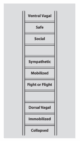
Significant research has been performed on the psychological states based on the subsystems of the autonomic nervous system. For example, Dana (2018) outlines that the Polyvagal Ladder can be utilized to describe how different individuals respond when their survival is threatened. The Polyvagal Ladder can be described based on an employee’s psychological state. The three stages are: socialization, mobilization, and immobilization, as illustrated in Figure 1 in the Appendix section. These states correspond with specific subsystems of the ANS. Hence, the Polyvagal Ladder is an effective means of mapping a person’s transition from a safe and social state, to mobilization and immobilization.
The socialization state manifests when a person is in a safe and social mindset, based upon their neuroception detecting cues of safety with no danger. The body usually relies on the ventral vagal complex to control socialization, especially when a person feels safe. As a result, a person may experience corresponding changes to their vocalization, facial expressions, and eye contact, all in service of connecting with others. By controlling the striated muscles of the head and face, the VVC strengthens an individual’s anatomic response to safety and danger (Porges, 2021). In addition, to influencing vocalization, the VVC can also stimulate breathing and listening. Research reveals that the socialization state offers significant benefits in terms of improving blood pressure, heart rate, sleeping patterns, digestion, and the response of the body’s immune system (Dana, 2018, p. 19). Therefore, the socialization state is classified at the top of the Polyvagal Ladder to highlight its role in social interactions and engagement.
The second stage of the Polyvagal Ladder is mobilization. While the socialization state is considered the homeostatic state, mobilization revolves around a person’s response to an immediate threat in their external environment. The mobilization state is controlled by the sympathetic nervous system (SNS), which originates from the upper spinal cord sections of a person’s back. The activation of the SNS can trigger anatomic responses that increase a person’s attention and allows them to determine whether they should adopt a fight or flight response (Kolacz et al., 2019, p. 3). In this state, the individual may experience increased blood pressure and heart rate, while also stimulating glycogenesis (the release of blood glucose from stores in the liver) and inhibiting gastrointestinal peristalsis (as digestive processes may slow down the fight or flight response). However, it is essential to mention that the mobilization state can negatively affect a person’s body in the long term by increasing one’s heart rate, blood pressure, and breathing beyond safe levels (Dana, 2018). This ability to modulate response is essential for ensuring a person has adequate metabolic resources for fight or flight.
The final stage of the Polyvagal Ladder is immobilization. This step is usually classified at the bottom of the ladder. Immobilization usually occurs when a person deduces through neuroception that it is
impossible or unrealistic to evade an impending threat. The DVC innervates the organs lying below the diaphragm. In this case, it responds by causing the freezing or dissociation of the human body. According to Polyvagal Theory, the immobilization state is the oldest and most primitive function of the ANS (Kolacz et al., 2019, p. 3). Although many animals lack the socialization state and they may have less- developed mobilization states, they often have well-developed nervous systems supporting the immobilization state. As a person transitions across the three stages of the Polyvagal Ladder, their autonomic and physiologic responses vary correspondingly.
CONTRIBUTIONS OF THE POLYVAGAL THEORY
The study has significant academic and practical contributions to the human resource management discipline. Concerning the academic contributions, the research offers profound insights regarding the importance of the Polyvagal Theory in managing workers and improving employee outcomes. Although previous studies (such as the study conducted by VanderPal and Brazie, 2022) have been conducted on how the Polyvagal Theory influences employee stress, trauma, and leadership, these investigations have not considered the relationship between the concept and employee turnover. In addition, a major issue emerges because most investigations conducted on the Polyvagal Theory have focused on the biological factors surrounding the theory instead of its application in the human resource discipline. Thus, the current study provides the theoretical foundation for explaining how the Polyvagal Theory drives employees’ rational and nonrational decision-making faculties.
The practical contributions emerge from the impact of the findings on human resource management in the modern sector. The modern work environment has become increasingly complicated owing to various intrinsic and extrinsic factors. Although many theories have been designed to optimize employee productivity, there is no one-size-fits-all strategy for optimizing employee performance (Nyamubarwa & Chipunza, 2019, p. 1). Modern corporations experience people management problems due to instability, conflict, informality, or authoritarianism (Nyamubarwa & Chipunza, 2019, p. 1). Furthermore, the mentioned issues are more prevalent in small and medium-sized enterprises. In addition, most small-sized enterprises cannot afford the costs of establishing professional human resource departments. As a result, their HR practices are usually characterized by low health and safety, friction, absenteeism, and turnover (Nyamubarwa & Chipunza, 2019, p. 1). Therefore, this paper aims to strengthen the performance of small, medium, and large-sized enterprises by providing polyvagal-informed insights regarding human resource management.
THE IMPACTS OF THE POLYVAGAL THEORY
Contemporary strategies for strengthening employees’ health and wellbeing often fail to reflect employees’ biological needs because they ignore the implications of the sympathetic and parasympathetic states on social behavior. Accordingly, understanding the polyvagal theory can explain how feelings of safety can mediate employee performance by improving their neurophysiological states. In this study, the impacts of the Polyvagal Theory on human resource management outcomes are explained based on its influence on employee turnover and organizational culture.
THE POLYVAGAL THEORY AND EMPLOYEE TURNOVER
Employee Satisfaction
Employee turnover largely depends on the workers’ perceptions and attitudes toward their respective work environments. The Polyvagal Theory highlights that employee satisfaction primarily depends on whether the employees view their workplace as a safe and supportive environment. Balogun et al. (2020) performed a study on the relationship between safety climate and turnover intention among manual laborers who handle dangerous responsibilities. Workers in the mining industry often struggle with severe mental and physical health risks due to their respective duties. From the scholars’ perspective, “safety climate” describes workers’ perceptions regarding their overall importance in the organization and the prioritization of workplace safety in an organization (Balogun et al., 2020, p. 1). As a result, positive perceptions of workplace safety are strongly aligned with improved employee trust and safety performance, whereas negative perceptions may encourage employees to resign prematurely. The most effective strategy for creating a safety climate that promotes employee retention requires the management to show their commitment to work safety, enact safety programs and policies, and support open communication (Balogun et al., 2020, p. 5). Overall, employee satisfaction requires an organization to create a favorable external environment for workers.
Employee Emotional State
Although creating a positive work environment can strengthen employee satisfaction, several methods directly appeal to the workers’ emotional state. For instance, the Polyvagal Theory recommends introducing human resource strategies that stimulate the social engagement state by altering the worker’s emotional responses. Fu et al. (2020) reveal that emotional wellbeing has a substantial impact on turnover intention among employees in hostile work environments, such as the hospitality sector. According to the scholars, emotional labor describes a worker’s ability to manage their emotions and feelings in a manner that allows them to portray the facial expressions and physical cues expected by the public (Fu et al., 2020, p. 1089). In other words, emotional labor describes a worker’s capability to act or pretend when they experience a situation of extreme anger, stress, or fear. Workers in the hospitality sector tend to struggle with hostile work environments due to frequent interactions with angry customers and superiors. Accordingly, deep acting can create emotional dissonance, whereby the employee’s emotions conflict with their real emotions (Fu et al., 2020, p. 1090). As a result, workers can easily quit when they feel emotionally exhausted. This situation highlights the importance of introducing strategies that motivate workers to show genuine emotions, instead of encouraging them to pretend when they experience anger or fear.
Employee Self-Awareness
The Polyvagal Theory emphasizes the importance of employee self-awareness through interoception and somatic experiencing. Price and Hooven (2018) explain that emotional regulation requires a strong understanding of the self, and the relationship between the body, mind, and emotions. According to the scholars, emotional regulation depends on a person’s ability to detect and evaluate cues triggered by physiological reactions to stressful events. Interoception is defined as “the perception of sensations from inside the body and includes the perception of physical sensations related to internal organ function such as heartbeat, respiration, satiety, as well as the autonomic nervous system activity related to emotions” (Price and Hooven, 2018, p. 2). A vast majority of the autonomic nervous responses caused by emotions occur subconsciously, but interoceptive awareness remains a conscious component. This process allows bi- directional communication between critical organs of the body, thereby guiding emotional response (Price and Hooven, 2018, p. 3). Regarding somatic experiencing as a form of increasing self-awareness through exploration, this concept was created by Peter Levine as a method for optimizing a person’s interoception (Payne et al., 2015, p. 1). The theory encourages clients to direct their attention toward their internal sensations rather than their emotional and cognitive experiences (Payne et al. 2015). Common applications of somatic experiencing include meditation, Yoga, and Tai Chi. Hence, interoceptive awareness is an integral strategy for allowing employees to identify, understand, and respond to internal signals.
Employee Resilience
The Polyvagal Theory also influences employee performance by encouraging workers to develop resilience against stress and trauma. By stimulating the social engagement state, workers can gradually develop resilience against negative emotions, such as stress, anger, and fear. Stress and trauma are common problems in the modern workplace due to the high frequency of implicit and explicit bullying, intimidation, and harassment. As a result, workers exposed to these environments often succumb to the sympathetic state, which may encourage them to flee or isolate themselves. Therefore, strengthening employee resilience can reduce the ease of employees’ transition from the socialization state to the mobilization or immobilization
state. Wut et al. (2022) describe resilience as a person’s ability to withdraw or recover quickly after experiencing challenging situations. The main sources of resilience may be derived from the worker’s personal factors, such as their personality, emotions, and traits. In comparison, the environmental factors include social support from peers and family, education, and cultural factors. Psychological resilience is essential for allowing a worker to cope with adversity and adapt to difficult situations (Wut et al., 2022, p. 2). Although there is inadequate research regarding the utilization of the PVT in modern organizations, the theory can allow workers to navigate through challenging situations and emotions.
USING THE POLYVAGAL THEORY TO CREATE A POSITIVE WORK CULTURE
Cultivating Systems of Safety
The first recommendation involves the use of the Polyvagal Theory to cultivate systems of safety. The Polyvagal Institute highlights that safety and connection can benefit modern organizations by providing cues of safety and eliminating disruptions in safety (Polyvagal Institute, n.d.). Nurturing the workers’ physiological safety and connection can allow the organization to create an upward spiral that strengthens the workers’ happiness and overall effectiveness. These principles target staff-customer relationships, individual awareness, employee relationships, organizational alignment, environmental factors, and organizational communication. Foremost, the staff-customer relationships should be enhanced to create safety and trust (Polyvagal Institute, n.d.). Secondly, encouraging individual awareness can inform them about how their personal states affect their performance and other workers’ productivity. Concerning employee relationships, the organization should strive to ensure that all workers show respect for each other. The fourth principle involves enforcing organizational missions, visions, and goals that aim to cultivate a culture of safety and connection. Afterward, the organization should incorporate Polyvagal- Informed principles into the workers’ physical and virtual environments to enhance their sense of safety. Lastly, the organization should communicate its brand values to employees and other stakeholders. These principles are essential for instilling safety and connection within the workforce, and encouraging workers to remain in their respective jobs.
Eliminating Toxic Work Culture
Providing safety cues to employees can nurture a positive work environment and eliminate toxic influences that induce stress, fear, or anger. In the last few decades, many organizations have developed objectives focusing on achieving optimal profits. However, these corporations often create toxic work environments for their workers by increasing employee competition and pressure. This rationale explains why approximately 80% of employee problems stem from the surrounding work environment (Anjum et al., 2018, p. 1). Providing cues of safety can create a conducive work environment that recognizes the wellbeing of all employees. Porges (2022) explains that a person’s feelings of safety can reflect their social engagement based on their responses to danger and threats. For that reason, creating a work culture emphasizing safety can allow workers to develop appropriate co-regulatory capacities to mitigate metabolically costly defense responses (Porges, 2022). In the organizational environment, workers should understand how to navigate stressful environments without succumbing to the mobilization or immobilization states. Dana (2018) explains that organizations can create safe surroundings by creating a welcoming environment. This goal can be achieved by altering the office’s interior design to make workers feel safe and calm. Overall, creating a conducive work culture requires a corporation to deal with toxic work influences that induce stress, anger, and fear.
Strengthening Trust and Transparency
The Polyvagal Theory also highlights the importance of trust and collaboration within an organization as an essential determinant of employee turnover. Research reveals a strong link between trust and collaboration in modern organizations. In such scenarios, trust is a function of an employee’s expectations of another worker’s competency, which affects organizational performance through cooperation and collaboration (Bond-Barnard et al., 2018, p. 436). When trust exists between workers, they can speak openly
and honestly with less stress and anxiety. Therefore, high-quality collaboration can be perceived based on the cohesion of the team members. Managers and supervisors need to utilize consistent approaches to interact with their workers to enhance their morale and mood. In contrast, a person’s failure to show genuine concern can create distrust between team members. The Polyvagal Theory stresses that all living organisms have neuroception, which makes them sensitive to threats and danger (Porges, 2022). In the organizational environment, neuroception can allow workers to perceive untrustworthy employees as threats. As a result, this response can trigger the sympathetic tone and interfere with co-regulation. In addition, it can hinder collaboration. Although workers can collaborate without trust, it is vital to ensure the team performs optimally. Suitable recommendations for strengthening trust and collaboration include promoting inclusion and transparency. Including the opinions of diverse workers and strengthening transparency can encourage social engagement and reduce distrust within the workforce.
Promoting Collaboration
Collaboration between workers can influence employee turnover by determining whether they can create productive teams. Although it is strongly related to trust and transparency, it requires different approaches to strengthen team building within a corporation. For instance, Bessel van der Kolk conducted in-depth studies on the importance of collaboration when dealing with post-traumatic stress disorder (PTSD) (Interlandi, 2014). The scholar argues that trauma victims are alienated from their bodies due to a cascade of events. Accordingly, when faced with threats continuously, they can turn to self-numbing activities, such as eating food, exercising, working, or consuming drugs. However, the scholar contends that playing games can activate the right psychomotor skills to resolve the disconnect between a person’s bodily sensations (Interlandi, 2014). Similarly, employees can use games to activate appropriate psychomotor skills and strengthen social engagement. Collaboration between workers can encourage them to be socially connected. For that reason, it can motivate them to remain within the organization due to the bonds they share with their work colleagues.
CONCLUSION
The findings divulge that the modern organizational environment has become increasingly complex, which has contributed to the recent surge in employee turnover. Many workers have been struggling to deliver optimal productivity in unconducive and stressful work environments. These environments tend to encourage workers to shift to the mobilization and immobilization states to deal with extreme fear-inducing events. The Polyvagal Theory highlights that employee turnover is an outcome of an organization’s inability to maintain workers in the socialization state. The theory emphasizes that employee turnover in modern organizations depends on the workers’ satisfaction, emotional state, resilience, and self-awareness. In addition, PVT offers valuable insights for strengthening employee retention by cultivating systems of safety, eliminating toxic work cultures, enhancing trust and transparency, and promoting collaboration. Therefore, modern organizations need to implement effective methods for evaluating the employees’ needs and ensuring they perform in accordance with the organization’s expectations.
REFERENCES
Al-Suraihi, W.A., Samikon, S.A., Al-Suraihi, A.H.A., & Ibrahim, I. (2021). Employee turnover: Causes, importance and retention strategies. European Journal of Business and Management Research, 6(3), 1–10. https://doi.org/10.24018/ejbmr.2021.6.3.893
Anjum, A., Ming, X., Siddiqi, A., & Rasool, S. (2018). An empirical study analyzing job productivity in toxic workplace environments. International Journal of Environmental Research and Public Health, 15(5), 1035. https://doi.org/10.3390/ijerph15051035
Balogun, A.O., Andel, S.A., & Smith, T.D. (2020). “Digging deeper” into the relationship between safety climate and turnover intention among stone, sand and gravel mine workers: Job satisfaction as a mediator. International Journal of Environmental Research and Public Health, 17(6), 1925. https://doi.org/10.3390/ijerph17061925
Bond-Barnard, T.J., Fletcher, L., & Steyn, H. (2018). undefined. InternationalJournalofManaging Projects in Business, 11(2), 432–457. https://doi.org/10.1108/ijmpb-06-2017-0068
Cao, X., Zhang, H., Li, P., & Huang, X. (2022). The influence of mental health on job satisfaction: Mediating effect of psychological capital and social capital. FrontiersinPublicHealth, 10. https://doi.org/10.3389/fpubh.2022.797274
Charaba, C. (2020). Employeeretention:Therealcostoflosinganemployee.PersonalizedBenefits Administration Software. PeopleKeep. Retrieved from https://www.peoplekeep.com/blog/employee-retention-the-real-cost-of-losing-an-employee
Dana, D. (2018). ThePolyvagaltheoryintherapy: Engagingtherhythmofregulation(Nortonserieson interpersonal neurobiology). WW Norton & Company.
De Clercq, D., Azeem, M.U., Haq, I.U., & Bouckenooghe, D. (2020). The stress-reducing effect of coworker support on turnover intentions: Moderation by political ineptness and despotic leadership. Journal of Business Research, 111, 12–24. https://doi.org/10.1016/j.jbusres.2020.01.064
Diputra, I.W.G.Y., & Suwandana, I.G.M. (2022). The Effect of Work Culture, Work Environment, and Leadership Style on Employee Job Satisfaction. EuropeanJournalofBusinessandManagement Research, 7(3), 43–47. https://doi.org/10.24018/ejbmr.2022.7.3.1395
Field, E., Mendelsohn, D., Rainone, N., & Schaninger, B. (2021). Thegreatattrition:Sameturnover,but the “why” differs by industry. McKinsey & Company. Retrieved from https://www.mckinsey.com/capabilities/people-and-organizational-performance/our-insights/the- organization-blog/the-great-attrition-same-turnover-but-the-why-differs-by-industry
Fu, G., Shen, R., & Wei, Y. (2020). The influence of emotional labor on turnover intention of hotel employees: Mediating effect of emotional dissonance. Open Journal of Business and Management, 08(03), 1089–1103. https://doi.org/10.4236/ojbm.2020.83069
Hansen, J. (2022). EmployeeTurnoverRatesbyIndustry(2019,2020,2021). Awardco. Retrieved from https://www.award.co/blog/employee-turnover-rates
Interlandi, J. (2014) ARevolutionaryApproachtoTreatingPTSD. The New York Times. Retrieved from www.nytimes.com/2014/05/25/magazine/a-revolutionary-approach-to-treating-ptsd.html
Jeong, J.Y., Park, J., & Hyun, H. (2019). The role of emotional service expectation toward perceived quality and satisfaction: Moderating effects of deep acting and surface acting. Frontiers in Psychology, 10. https://doi.org/10.3389/fpsyg.2019.00321
Kolacz, J., Kovacic, K.K., & Porges, S.W. (2019). Traumatic stress and the autonomic brain‐gut connection in development: Polyvagal theory as an integrative framework for psychosocial and gastrointestinal pathology. Developmental Psychobiology. https://doi.org/10.1002/dev.21852
Lai, H., Hossin, M.A., Li, J., Wang, R., & Hosain, M.S. (2022). Examining the relationship between COVID-19 related job stress and employees’ turnover intention with the moderating role of perceived organizational support: Evidence from SMEs in China. International Journal of Environmental Research and Public Health, 19(6), 3719. DOI: 10.3390/ijerph19063719
Nyamubarwa, W., & Chipunza, C. (2019). Debunking the one-size-fits-all approach to human resource management: A review of human resource practices in small and medium-sized enterprise firms. SA Journal of Human Resource Management, 17. https://doi.org/10.4102/sajhrm.v17i0.1108
Payne, P., Levine, P.A., & Crane-Godreau, M.A. (2015). Somatic experiencing: Using interoception and proprioception as core elements of trauma therapy. Frontiers in Psychology, 6. https://doi.org/10.3389/fpsyg.2015.00093
Polyvagal Institute. (n.d.). Polyvagal=Informed Certificate Program. Polyvagal Institute. Retrieved from https://www.polyvagalinstitute.org/pv- informed#:~:text=The%20Polyvagal%2DInformed%20Certificate%20Program,cultures%20of%2 0connection%20and%20belonging
Porges, S.W. (2007). The polyvagal perspective. BiologicalPsychology, 74(2), 116–143. https://doi.org/10.1016/j.biopsycho.2006.06.009
Porges, S.W. (2009). The polyvagal theory: New insights into adaptive reactions of the autonomic nervous system. Cleveland Clinic Journal of Medicine, 76(4 Suppl 2), S86–S90. https://doi.org/10.3949/ccjm.76.s2.17
Porges, S.W. (2021). Polyvagal Theory: A biobehavioral journey to sociality. Comprehensive Psychoneuroendocrinology, 7, 100069. https://doi.org/10.1016/j.cpnec.2021.100069
Porges, S.W. (2022). Polyvagal theory: A science of safety. FrontiersinIntegrativeNeuroscience, 16. https://doi.org/10.3389/fnint.2022.871227
Price, C.J., & Hooven, C. (2018). Interoceptive awareness skills for emotion regulation: Theory and approach of mindful awareness in body-oriented therapy (MABT). FrontiersinPsychology, 9. https://doi.org/10.3389/fpsyg.2018.00798
Schwepker, C.H., Valentine, S.R., Giacalone, R.A., & Promislo, M. (2021). Good barrels yield healthy apples: Organizational ethics as a mechanism for mitigating work-related stress and promoting employee well-being. JournalofBusinessEthics, 174, 143–159. https://doi.org/10.1007/s10551- 020-04562-w
Sullivan, M.B., Erb, M., Schmalzl, L., Moonaz, S., Noggle Taylor, J., & Porges, S.W. (2018). Yoga therapy and Polyvagal theory: The convergence of traditional wisdom and contemporary neuroscience for self-regulation and resilience. Frontiers in Human Neuroscience, 12. https://doi.org/10.3389/fnhum.2018.00067
Tupper, H., & Ellis, S. (2022). It’s Time to Reimagine Employee Retention. HarvardBusinessReview, 4.
VanderPal, G., & Brazie, R. (2022). Exploratory study of polyvagal theory and underlying stress and trauma that influence major leadership approaches. JournalofAppliedBusinessandEconomics, 24(1).
Wut, T., Lee, S., & Xu, J. (2022). Role of organizational resilience and psychological resilience in the workplace—Internal stakeholder perspective. InternationalJournalofEnvironmentalResearch and Public Health, 19(18), 11799. https://doi.org/10.3390/ijerph191811799
APPENDIX
FIGURE1
THEPOLYVAGALLADDER