



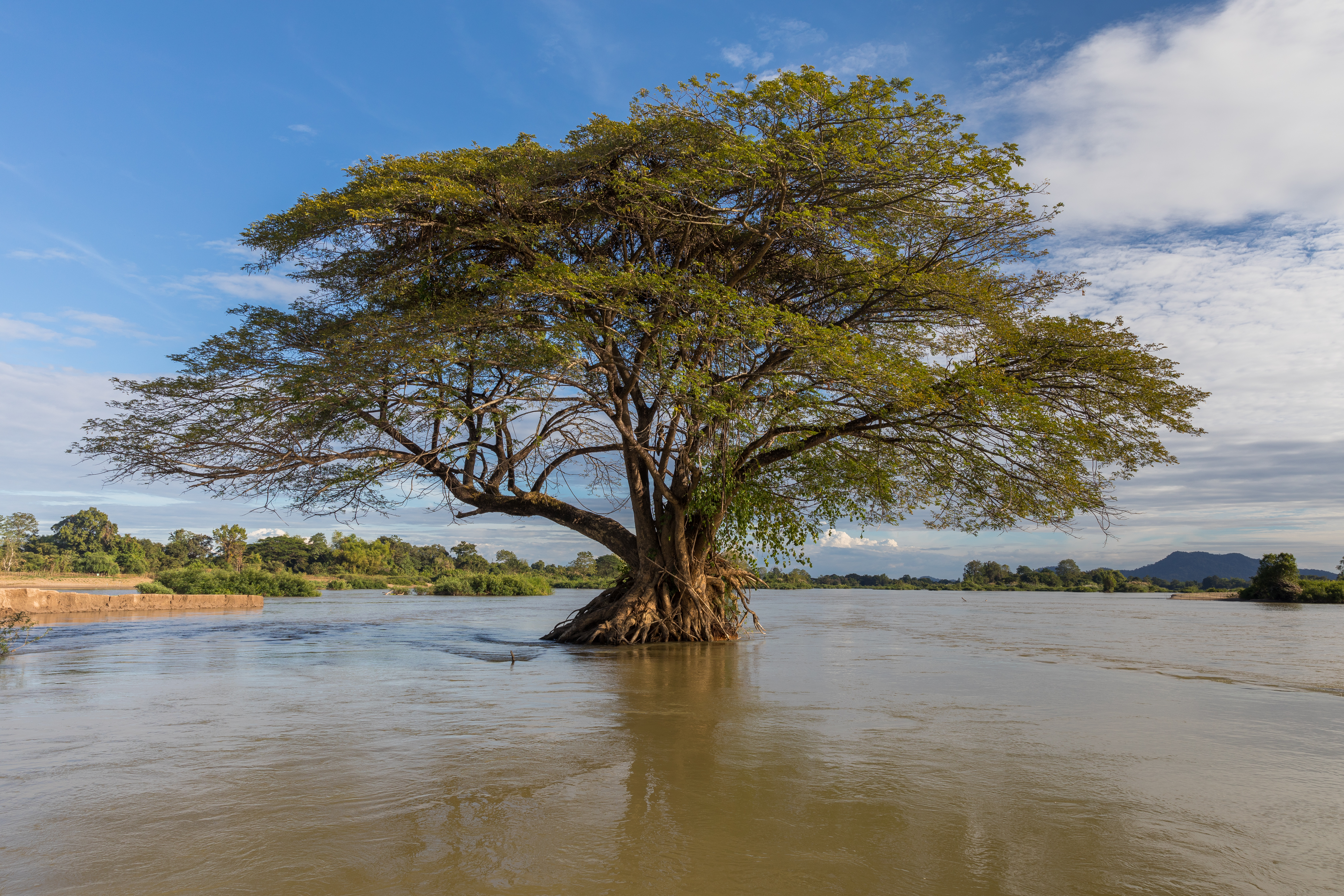

“Trees” aren’t a scientific category; they’re plant shapes adapted to maximize sunlight, resulting in varied and unusual forms like the rainbow eucalyptus, which features multicolored bark due to peeling that exposes layers of chlorophyll and tannins.

Related Posts

Five things you probably have wrong about rain
UK weather can often be on the damp side. Jaromir Chalabala/Shutterstock Rob Thompson, University of Reading There’s been…

This Rock Is Older Than the Solar System
Containing the building blocks of DNA and stardust older than the Sun, the Murchison meteorite offers an unprecedented glimpse into the origins of our solar system and life itself.

What’s the carbon footprint of owning pet fish? An expert explains
One of the most popular species of fish found in tropical marine aquariums is the common clownfish (Amphiprion…

Why’d the Ocean Stop Getting Saltier?
Covering about 71% of the surface of the Earth, water is all around us, and most of it…