





Due to geological differences, earthquakes of similar magnitudes can have different effects depending on the region. For instance, the East Coast of the US experiences more intense and far-reaching earthquakes because of its older, more continuous geology, unlike the West Coast’s convoluted bedrock near tectonic boundaries.

Related Posts
‘Unprecedented’ climate extremes are everywhere. Our baselines for what’s normal will need to change
Thomas Rosenzweig/Shutterstock Milton Speer, University of Technology Sydney and Lance M Leslie, University of Technology Sydney Extreme temperature…

Citizen scientists discover new type of aurora
The aurora Steve. Rémi Farvacque/Alberta Aurora Chasers (facebook) Nathan Case, Lancaster University A collaboration between aurora-hunting citizen scientists…

Hidden craters reveal Earth may once have had a ring – like Saturn
Artist’s impression. Oliver Hull Andrew Tomkins, Monash University The rings of Saturn are some of the most famous…
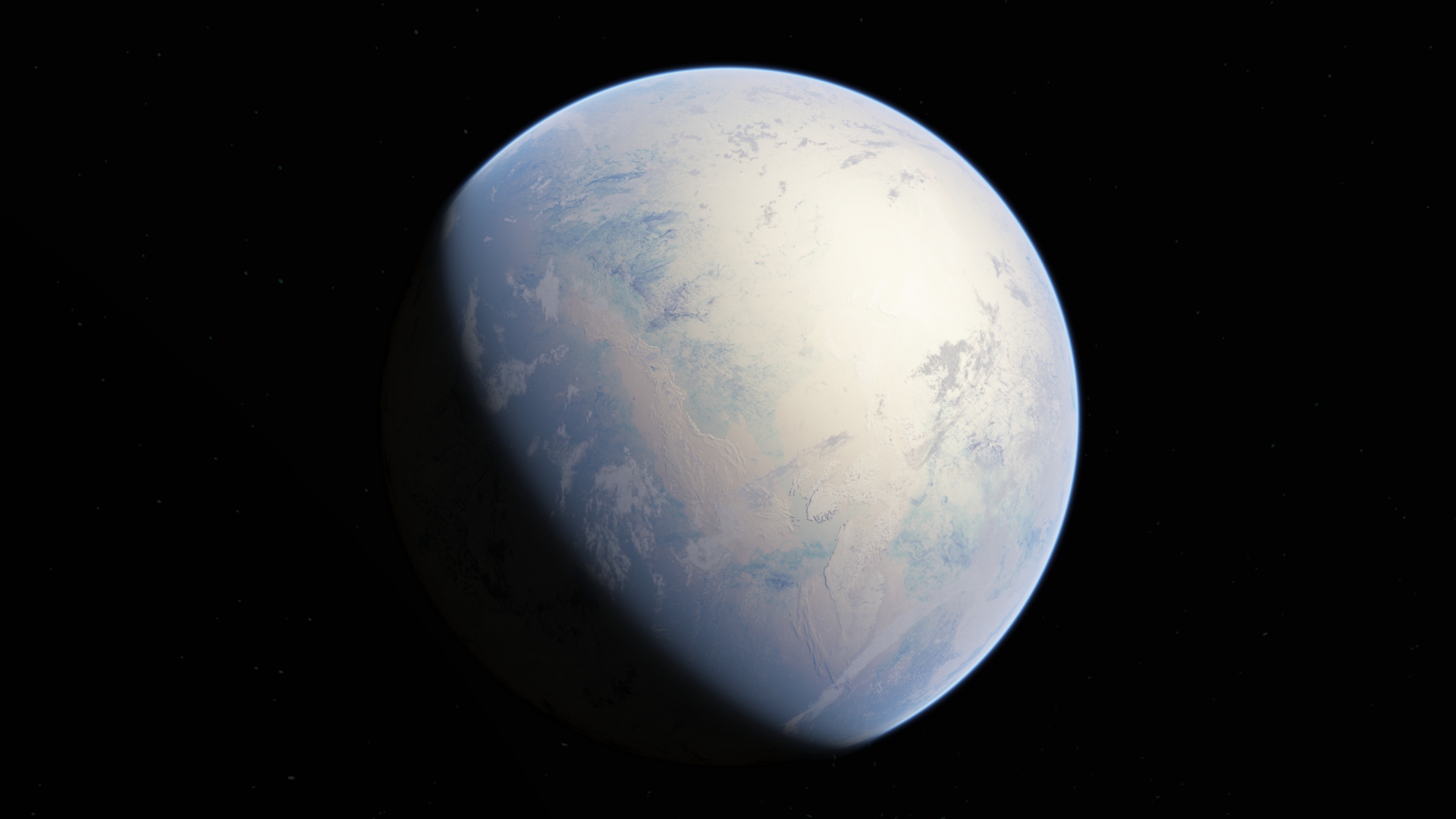
Snowball Earth: how we discovered unique Scottish rocks record when Earth was first encased in ice
Graham Shields, UCL and Elias Rugen, UCL More than 700 million years ago, the Earth was plunged into…