



Scientists believe the Moon formed after a Mars-sized protoplanet named Theia collided with early Earth, with debris from the impact creating the Moon. Lunar rocks brought back by Apollo astronauts revealed isotopic similarities between Earth and the Moon, supporting this theory.

Related Posts
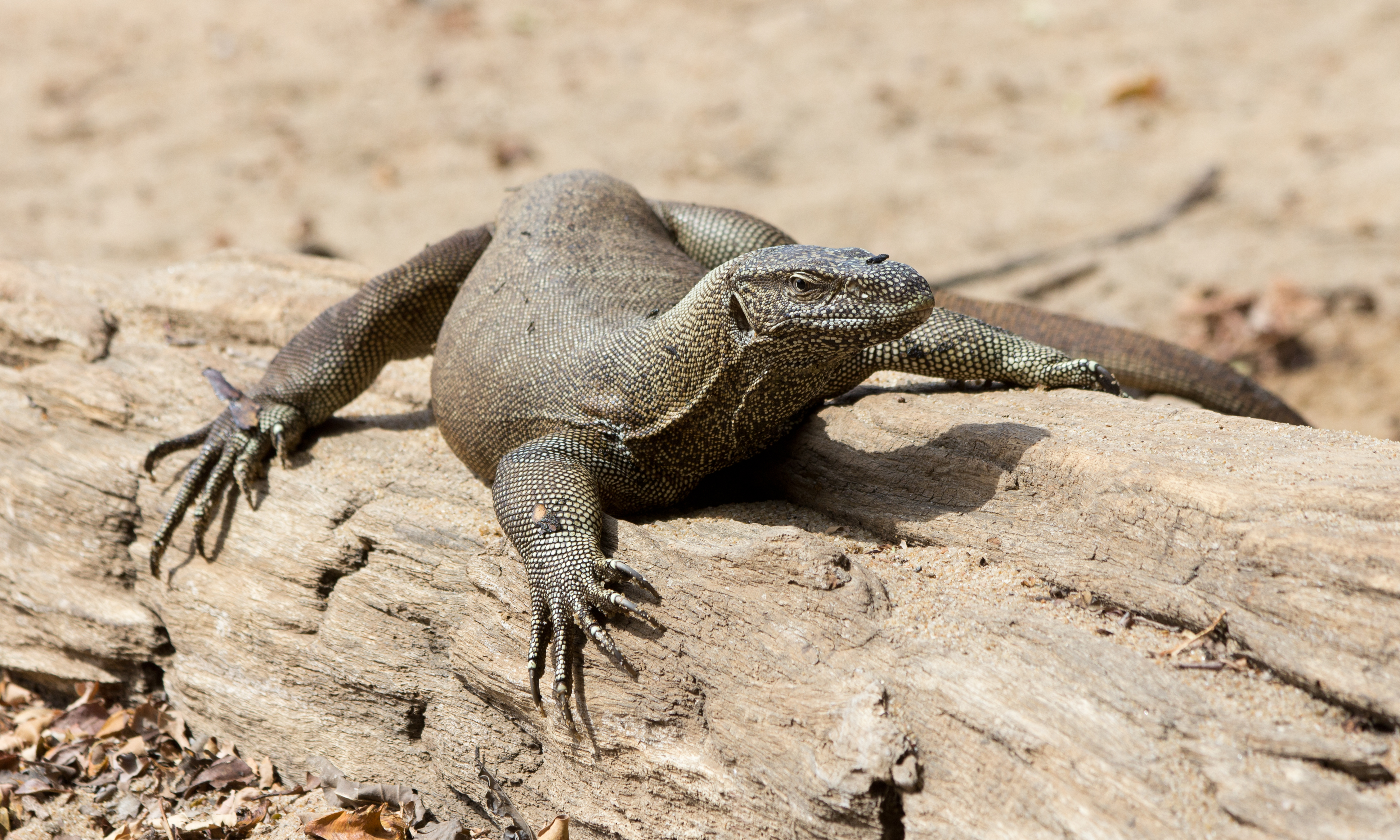
New study peers beneath the skin of iconic lizards to find ‘chainmail’ bone plates – and lots of them
Radiodensity heatmap of emerald tree monitors. Roy Ebel Roy Ebel, Museums Victoria Research Institute Monitor lizards, also known…

Humans have been altering nature for thousands of years – to shape a sustainable future, it’s important to understand that deep history
An archaeologist takes bog samples in Germany for analysis of past civilizations and what they cultivated. Stefan Puchner/picture…

Ever heard of ocean forests? They’re larger than the Amazon and more productive than we thought
Shutterstock Albert Pessarrodona Silvestre, The University of Western Australia; Karen Filbee-Dexter, The University of Western Australia, and Thomas…

AI and machine learning are improving weather forecasts, but they won’t replace human experts
Meteorologist Todd Dankers monitors weather patterns in Boulder, Colorado, Oct. 24, 2018. Hyoung Chang/The Denver Post via Getty…