



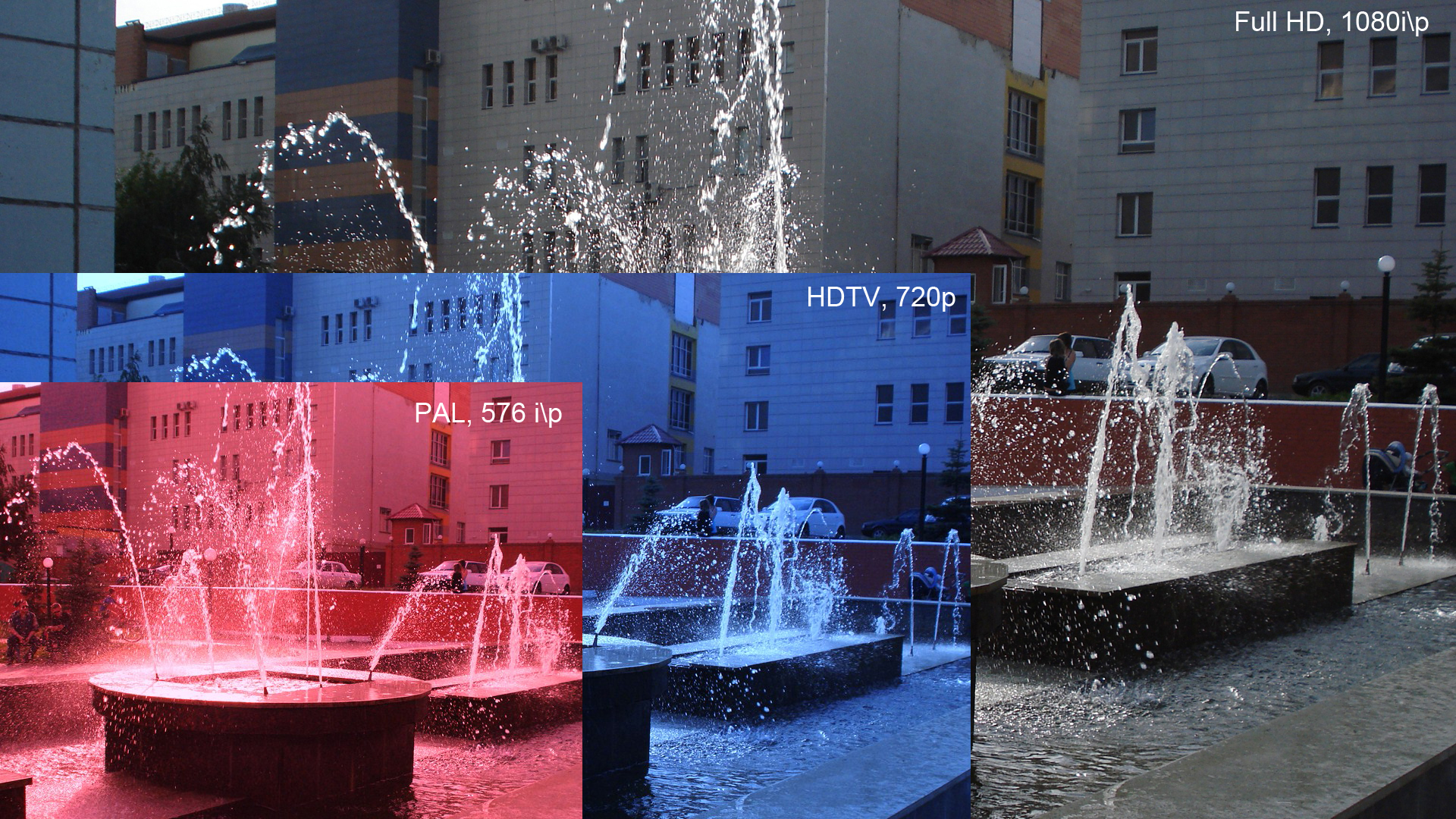

HD TV standards evolved from analog to digital, with ITU and SMPTE developing standards like 720p and 1080i. By the early 2000s, these culminated in the 16:9 aspect ratio and 1920×1080 resolution for HD displays. The shift to HD standards set a precedent for future resolutions like 4K and 8K, marking a milestone in standardization efforts across TV and computer displays after decades of varied formats and resolutions.

Related Posts

MIT study reveals secrets to solar’s 99% cost drop
A new MIT study details how a diverse network of innovations, many from outside the solar sector, fueled the dramatic 99% cost reduction in photovoltaic systems.

How a solar Minecraft server is changing the way we play video games
Bart Simon, Concordia University and Darren Wershler, Concordia University

Deepfakes leveled up in 2025 – here’s what’s coming next
AI image and video generators now produce fully lifelike content. AI-generated image by Siwei Lyu using Google Gemini…

From Jurassic Park to dreams of AI doom, pop culture shapes science more than we like to admit
Universal Pictures Anna-Sophie Jürgens, Australian National University and Shao-Jie Jhou, Australian National University The relationship between science and…