



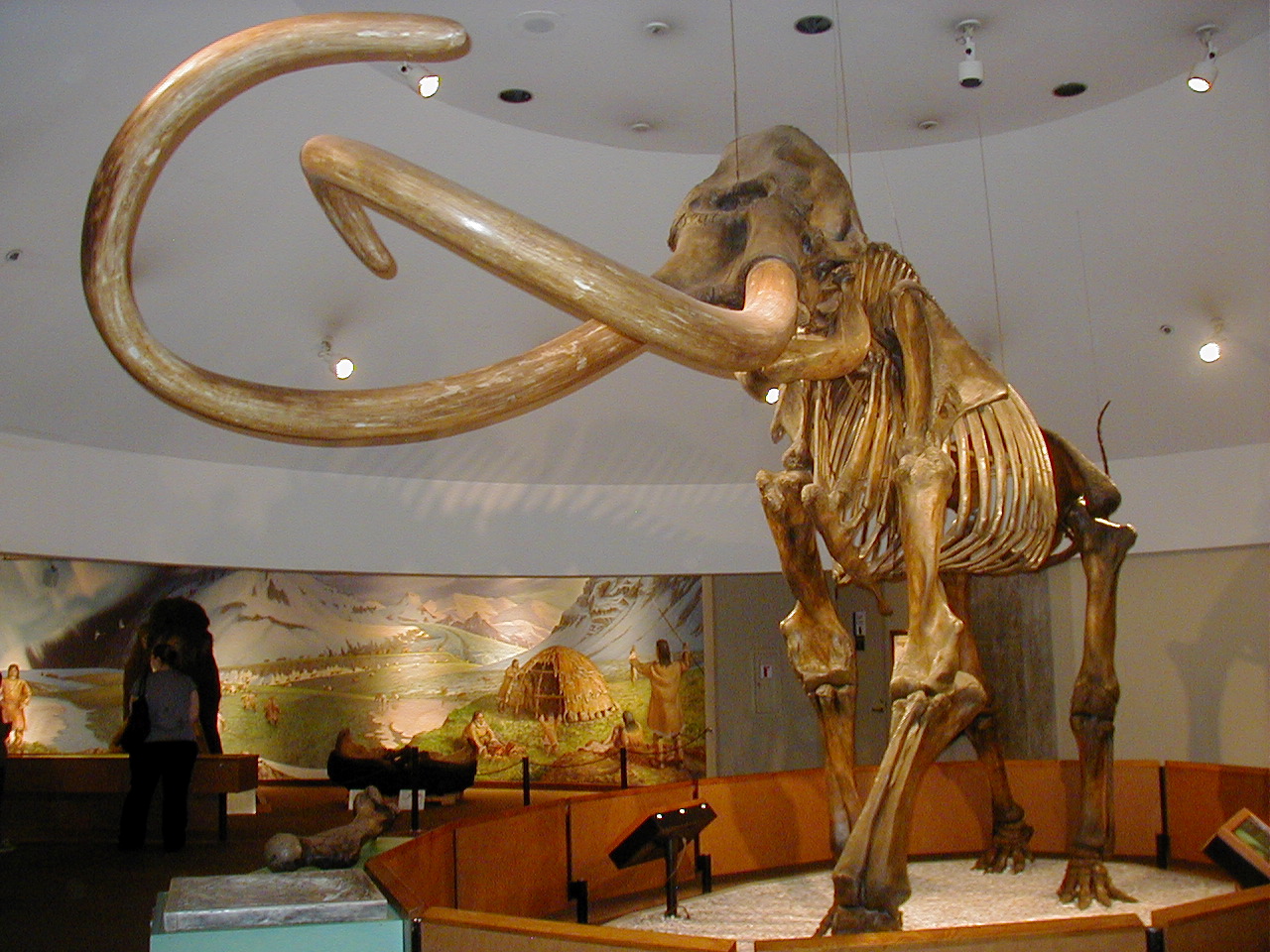

Around 20 million years ago, proboscideans, the ancestors of modern elephants, began expanding from Africa and Arabia into Eurasia and the Americas. Early species lacked the long, flexible trunks we associate with today’s elephants and instead had elongated lower jaws with additional tusks. These long-jawed proboscideans thrived in diverse habitats until trunked species like mammoths and mastodons replaced them due to environmental changes.

Related Posts

New Model of Human Evolution Challenges Long-Held Beliefs, Revealing Multiple Ancestors in Africa
A groundbreaking study published in Nature has unveiled a new model of human evolution, overturning the long-held notion…

Prehistoric Tegu Lizards Found in North America: New Species Uncovered in 15-Million-Year-Old Fossil
A 15-million-year-old vertebra fossil reveals that tegu lizards once naturally roamed North America during a prehistoric warm spell.

Why don’t female crickets chirp?
I feel a song coming on … Paul Starosta/Stone via Getty images Floyd W. Shockley, Smithsonian Institution Curious…

Gain-of-function research is more than just tweaking risky viruses – it’s a routine and essential tool in all biology research
Gain-of-function experiments in the lab can help researchers get ahead of viruses naturally gaining the ability to infect…