






Scientists Develop Self-Replicating DNA Nanorobots
A Breakthrough in Nanotechnology
Scientists from universities in New York and Ningbo, China, have made a groundbreaking discovery, successfully developing tiny robots built from DNA that can reproduce themselves. These nanorobots hold immense potential for various applications, including targeted cancer treatment and environmental cleanup.
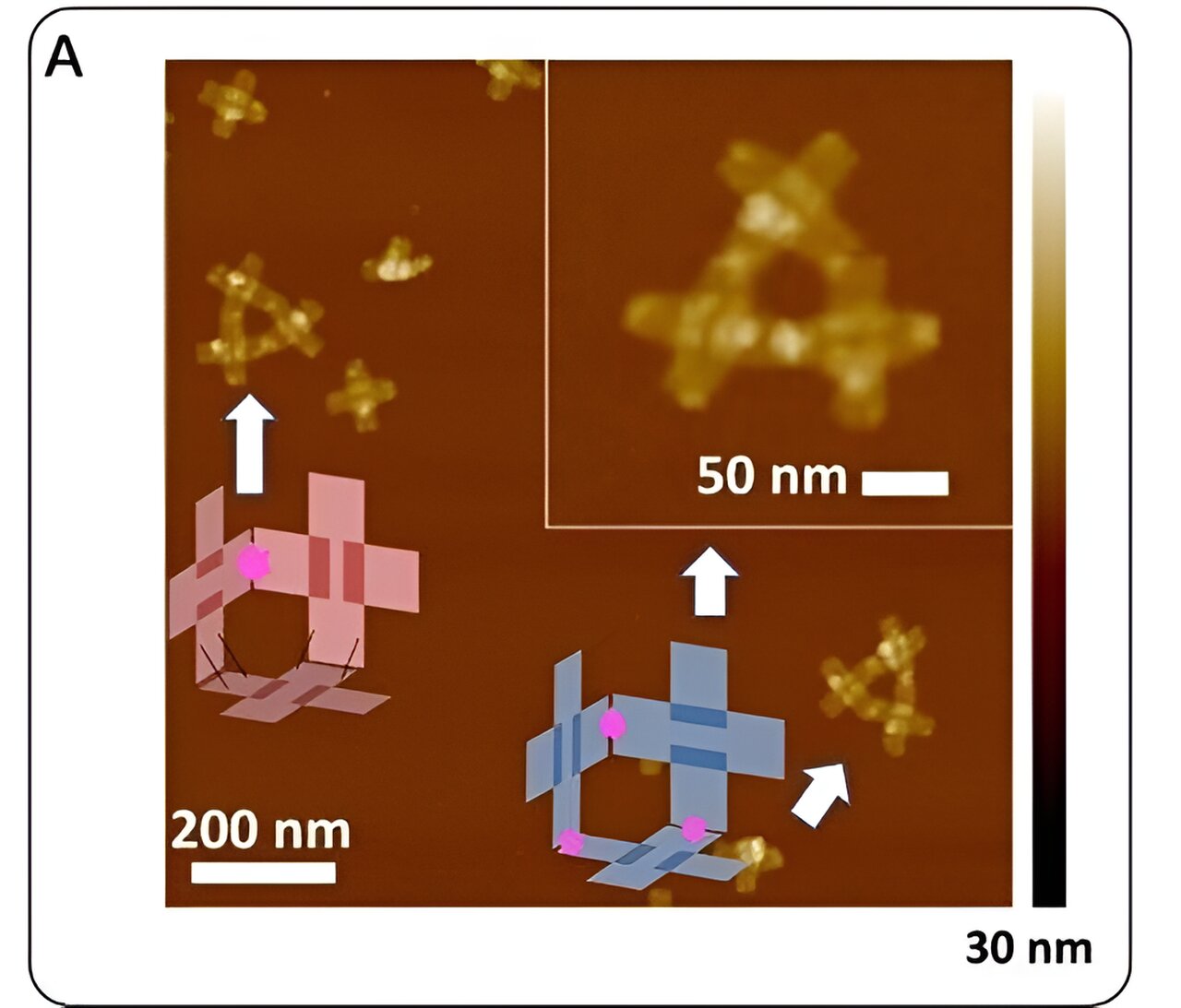
Building Tiny Industrial Robots
The nanorobots are so tiny that 1,000 of them can fit into the width of a sheet of paper. According to researchers, these nanoscale industrial robots can perform repetitive tasks with precision and accuracy. They can handle and produce nanomaterials, making them ideal for manufacturing platforms.
From 2D to 3D Replication
The mechanism behind these nanorobots involves manipulating different parts of DNA strands and aligning them to be “welded” together. The research team has developed a novel method of folding DNA in three dimensions, allowing for limitless self-replication. This surpasses previous research in DNA robotics, which was limited to two-dimensional construction.
Vast Potential Applications
The potential applications of these nanorobots are vast. They could be used for targeted drug delivery, navigating a patient’s bloodstream to target cancer cells without invasive surgery. Additionally, they could be employed in environmental cleanup efforts, such as collecting toxic waste from the ocean.
Addressing the “Gray Goo” Concern
While this development has raised concerns reminiscent of science fiction, the researchers ensure that their creations are not a “gray goo” threat. The nanorobots are programmable and can be controlled by external factors like light and heat, mitigating the risk of uncontrolled replication.


