






Researchers Develop Pollen-Replacing Diet to Sustain Honey Bees Year-Round
A Buzzing Crisis: Bees Under Pressure
Honey bee colonies worldwide are facing declining health due to nutritional stress, a problem exacerbated by habitat loss and climate change. This decline poses a significant threat to global food systems that rely on these crucial pollinators.
A Recipe for Resilience: The New Bee Diet
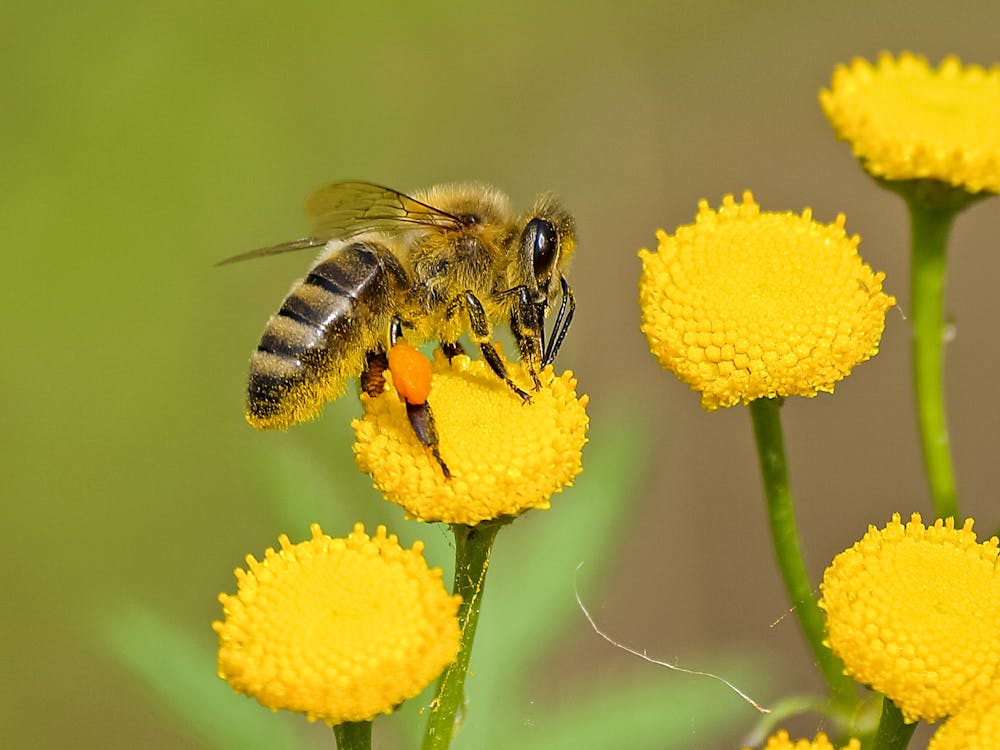
Scientists at Washington State University and APIX Biosciences in Belgium have engineered an artificial food source that mimics the complete nutritional profile of natural pollen. This innovative diet, detailed in Proceedings of the Royal Society B, is designed to help honey bees thrive even when natural pollen is scarce or inadequate.
The Vital Ingredient: Unlocking Isofuco-what?
A key discovery was the critical role of a pollen-derived molecule called isofucosterol. Bees fed the new diet containing isofucosterol flourished, maintaining healthy larval production. In stark contrast, colonies lacking this nutrient suffered reduced offspring, paralysis, and eventual collapse.

Proof in the Honeycomb: Real-World Benefits
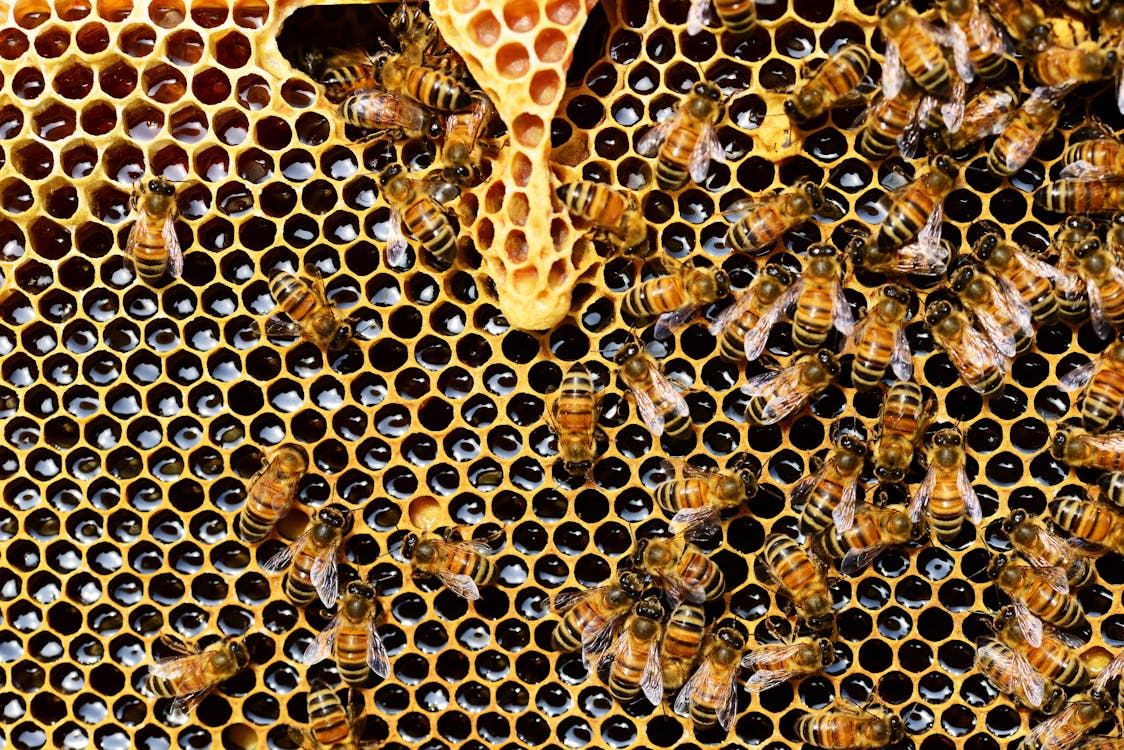
The new diet proved its mettle by sustaining honey bee colonies year-round. It’s particularly beneficial for commercial beekeeping operations, where bees are often moved to pollinate crops like blueberries and sunflowers that offer poor quality pollen. Colonies on the new diet outperformed those on existing commercial diets or no supplements, showing robust growth and survival.
Hope for Hives and Harvests
This nutritional innovation offers significant hope for reversing the alarming decline in bee populations. Healthier, well-nourished bees mean more effective pollination, especially for challenging crops, potentially boosting agricultural productivity worldwide.
Coming Soon: A Boost for Beekeepers
Researchers are optimistic that this new food source will soon be a valuable tool for beekeepers. The product is anticipated to be available in the U.S. by mid-2026, offering a practical solution to help stabilize the crucial role bees play in our ecosystems and food systems.


