




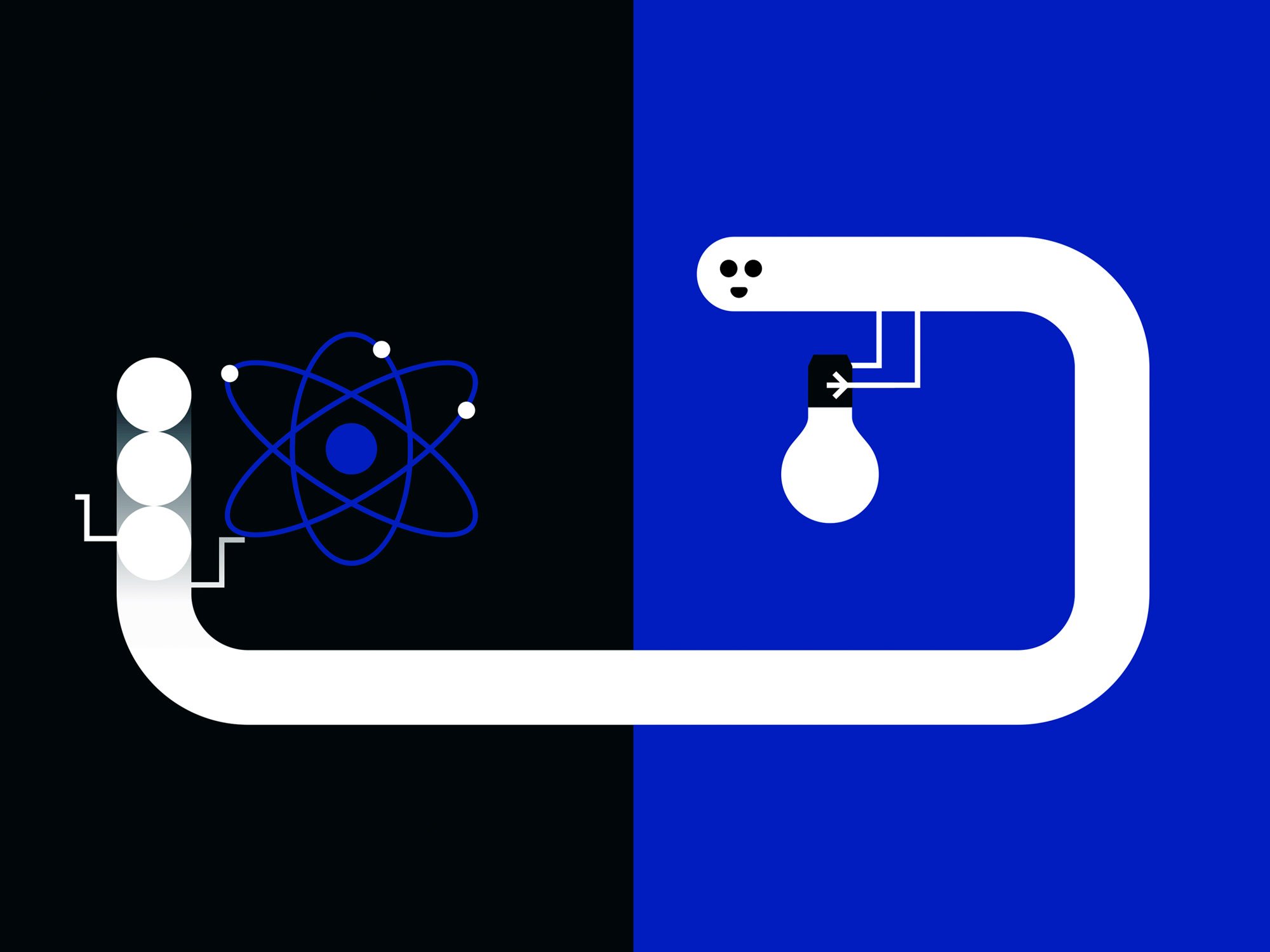

Hero image: ©Johan Jarnestad/The Royal Swedish Academy of Sciences
At a Glance
- John Clarke, Michel Devoret, and John Martinis won the 2025 Nobel Prize in Physics for their pioneering experiments on macroscopic quantum phenomena in an electrical circuit.
- Their work provided the first definitive proof of macroscopic quantum tunneling, where an entire system collectively passed through an energy barrier that should have been insurmountable.
- The researchers also demonstrated energy quantization, showing the circuit could only absorb specific, discrete amounts of energy and thus behaved like a large-scale artificial atom.
- They achieved these results in the mid-1980s using a Josephson junction, a device composed of two superconductors separated by a thin insulator, which was cooled to extremely low temperatures.
- These foundational discoveries were crucial for the development of modern quantum technologies, including the superconducting qubits used in today’s most advanced quantum computers.
Three physicists who in the 1980s demonstrated that the strange rules of quantum mechanics can govern a system large enough to hold in your hand have won the 2025 Nobel Prize in Physics. The Royal Swedish Academy of Sciences on October 7th awarded the prize to John Clarke, Michel H. Devoret, and John M. Martinis “for the discovery of macroscopic quantum mechanical tunnelling and energy quantisation in an electric circuit.” Their work provided the first definitive experimental proof that a collective system of billions of particles could behave as a single quantum object.
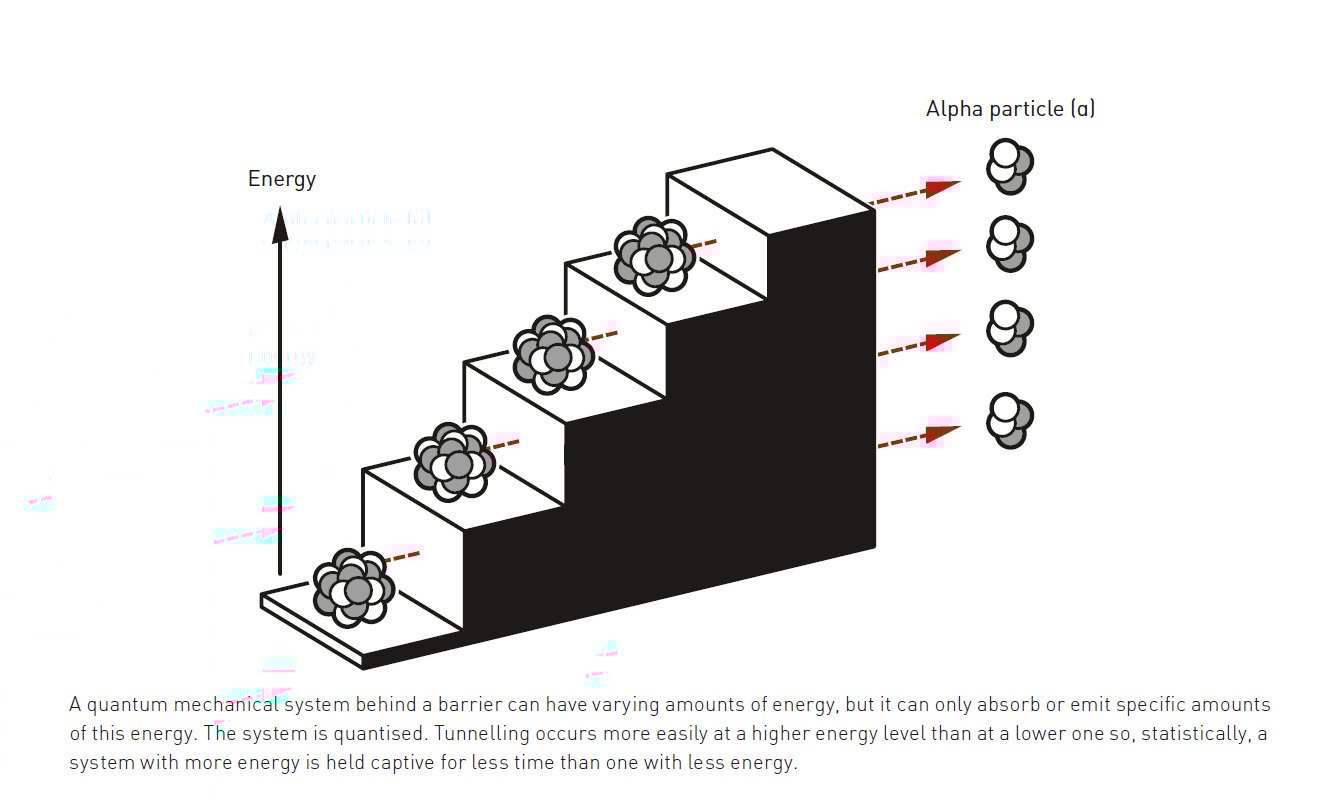
At the heart of their discovery are two bizarre quantum phenomena. The first, quantum tunneling, allows a particle to pass through an energy barrier it should not be able to overcome classically, like a ball passing through a solid wall instead of bouncing off. The second, energy quantization, dictates that a quantum system can only absorb or emit energy in discrete packets, or “quanta,” much like standing only on specific steps of a staircase, not in between. While these effects were known for single particles, such as electrons, the laureates’ work demonstrated them in a complex electrical circuit.
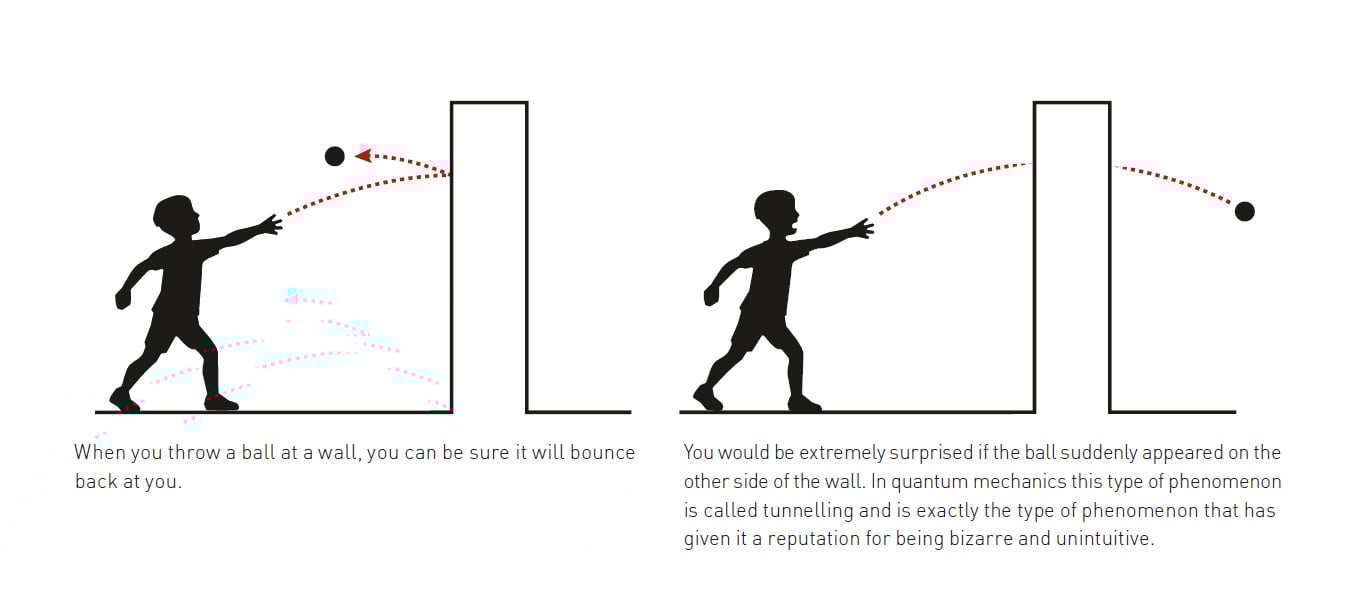
Working at the University of California, Berkeley, in 1984 and 1985, the team constructed a tiny circuit featuring a key component known as a Josephson junction—a pair of superconductors separated by a thin insulating layer. In superconductors, electrons form pairs called Cooper pairs that can move without resistance, all of which are described by a single, shared wave function. The team demonstrated that this entire collective system of particles could “tunnel” from a state of zero electrical voltage to a state with a measurable voltage, thereby escaping its energy trap in a purely quantum mechanical manner.
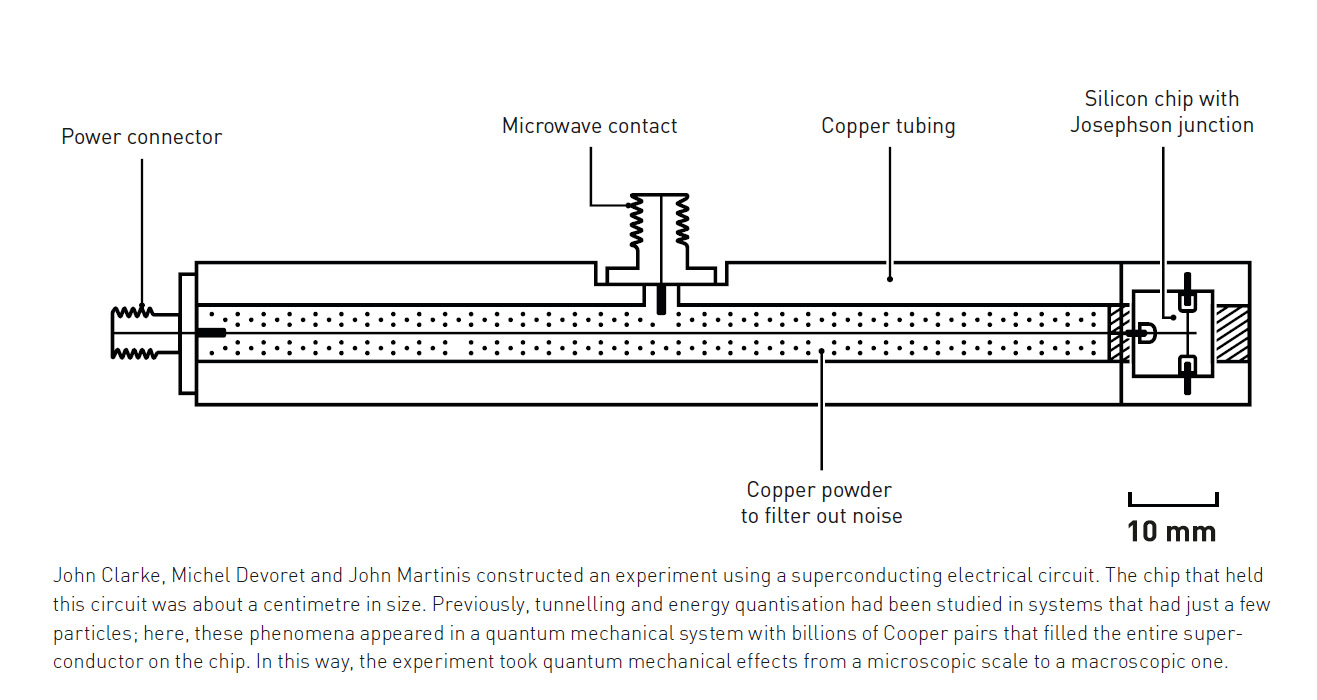
The laureates further cemented their findings by demonstrating energy quantization. By irradiating their circuit with microwaves, they observed that the system would only absorb energy at specific frequencies, causing it to jump to higher energy levels. A system at a higher energy level had a greater probability of tunneling out of its zero-voltage state. This behavior mirrored that of a single atom, proving that the macroscopic circuit was a true quantum system, which they described as a “macroscopic nucleus” or an “artificial atom.”
The experiments, which eliminated environmental noise with meticulous precision, provided quantitative agreement with the theoretical predictions of physicists such as Anthony Leggett, a 2003 Nobel laureate. The foundational research was published in a series of papers in journals including Physical Review Letters (1, 2) and Science, where the team detailed their measurements of both macroscopic quantum tunneling and the discrete energy levels of their circuit.
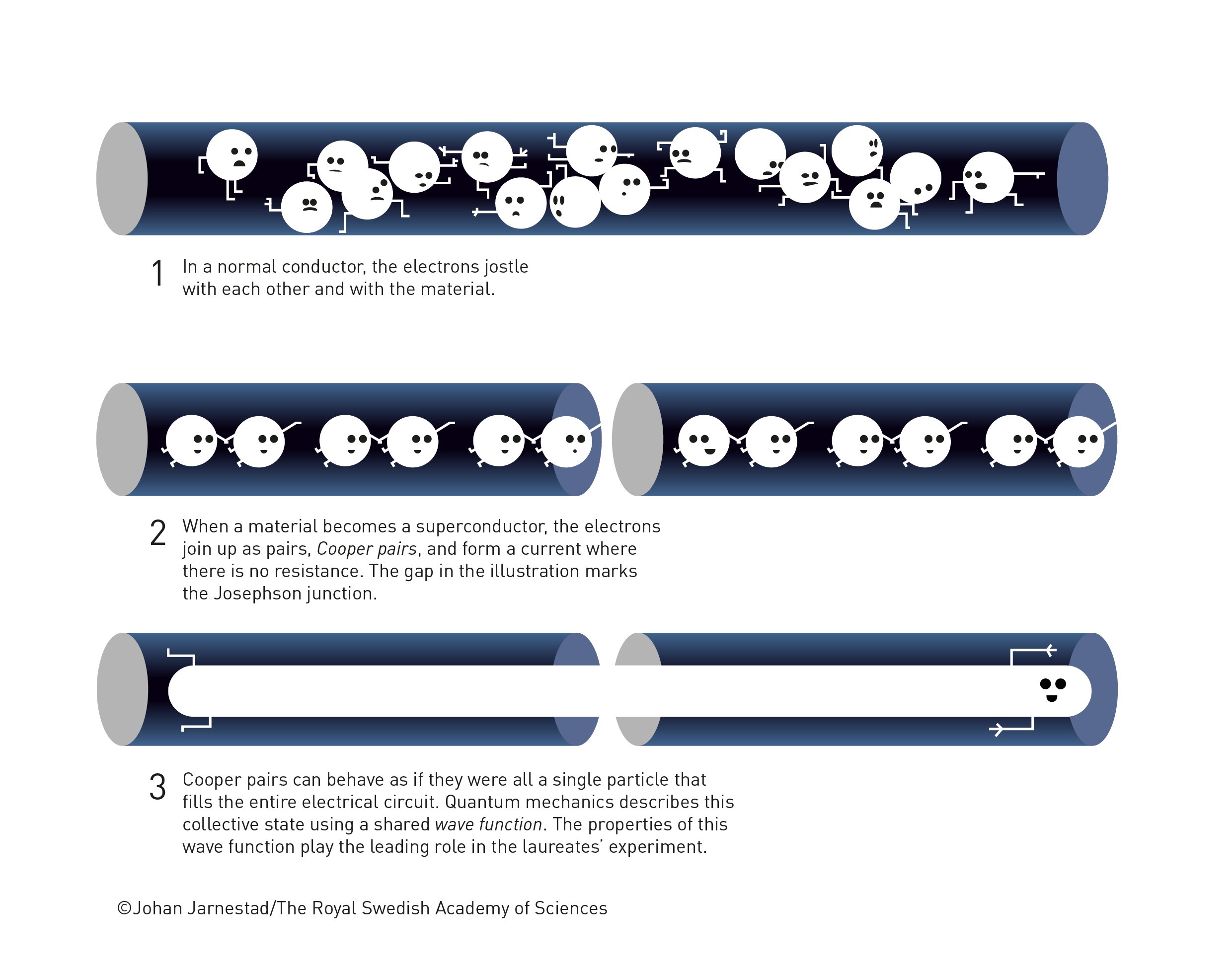
This pioneering work has had a profound and lasting impact on physics, forming the bedrock for the field of quantum engineering. The ability to build and control an artificial atom laid the groundwork for the development of superconducting quantum bits, or qubits, which are the fundamental components of many of today’s most advanced quantum computers. The laureates’ success in bridging the microscopic quantum world with a controllable, macroscopic system opened a new frontier for technology and our understanding of the physical world.
References
- Clarke, J., Cleland, A. N., Devoret, M. H., Esteve, D., & Martinis, J. M. (1988). Quantum mechanics of a macroscopic variable: The phase difference of a josephson junction. Science, 239(4843), 992–997. https://doi.org/10.1126/science.239.4843.992
- Devoret, M. H., Martinis, J. M., & Clarke, J. (1985). Measurements of macroscopic quantum tunneling out of the zero-voltage state of a current-biased josephson junction. Physical Review Letters, 55(18), 1908–1911. https://doi.org/10.1103/PhysRevLett.55.1908
- Martinis, J. M., Devoret, M. H., & Clarke, J. (1985). Energy-level quantization in the zero-voltage state of a current-biased josephson junction. Physical Review Letters, 55(15), 1543–1546. https://doi.org/10.1103/PhysRevLett.55.1543
- Nobel Prize Outreach 2025. (2025a, October 7). Nobel prize in physics 2025. NobelPrize.Org. https://www.nobelprize.org/prizes/physics/2025/press-release/
- Nobel Prize Outreach 2025. (2025b, October 7). Nobel prize in physics 2025. NobelPrize.Org. https://www.nobelprize.org/prizes/physics/2025/popular-information/
- Nobel Prize Outreach 2025. (2025c, October 7). Scientific Background to the Nobel Prize in Physics 2025: For the Discovery of Macroscopic Quantum Mechanical Tunneling and Energy Quantisation In an Electric Circuit. NobelPrize.org. https://www.nobelprize.org/uploads/2025/10/advanced-physicsprize2025.pdf


