



The Murchison meteorite, which fell in Australia in 1969, is far more than a simple space rock. It’s a 4.5-billion-year-old time capsule containing clues to our solar system’s violent birth and the chemical origins of life. More remarkably, it holds microscopic “presolar grains” of stardust from long-dead stars, with some estimated to be a staggering 7 billion years old.

Related Posts

The “Early Earth” May Have Been Battered By More UV Radiation Than Previously Thought
With technology constantly improving, we are giving ourselves more and more tools to study our planet. Part of…

A rocky planet in its star’s ‘habitable zone’ could be the first known to have an atmosphere – here’s what we found
Hannah Wakeford, University of Bristol and Ryan MacDonald, University of St Andrews New research using Nasa’s powerful JWST…
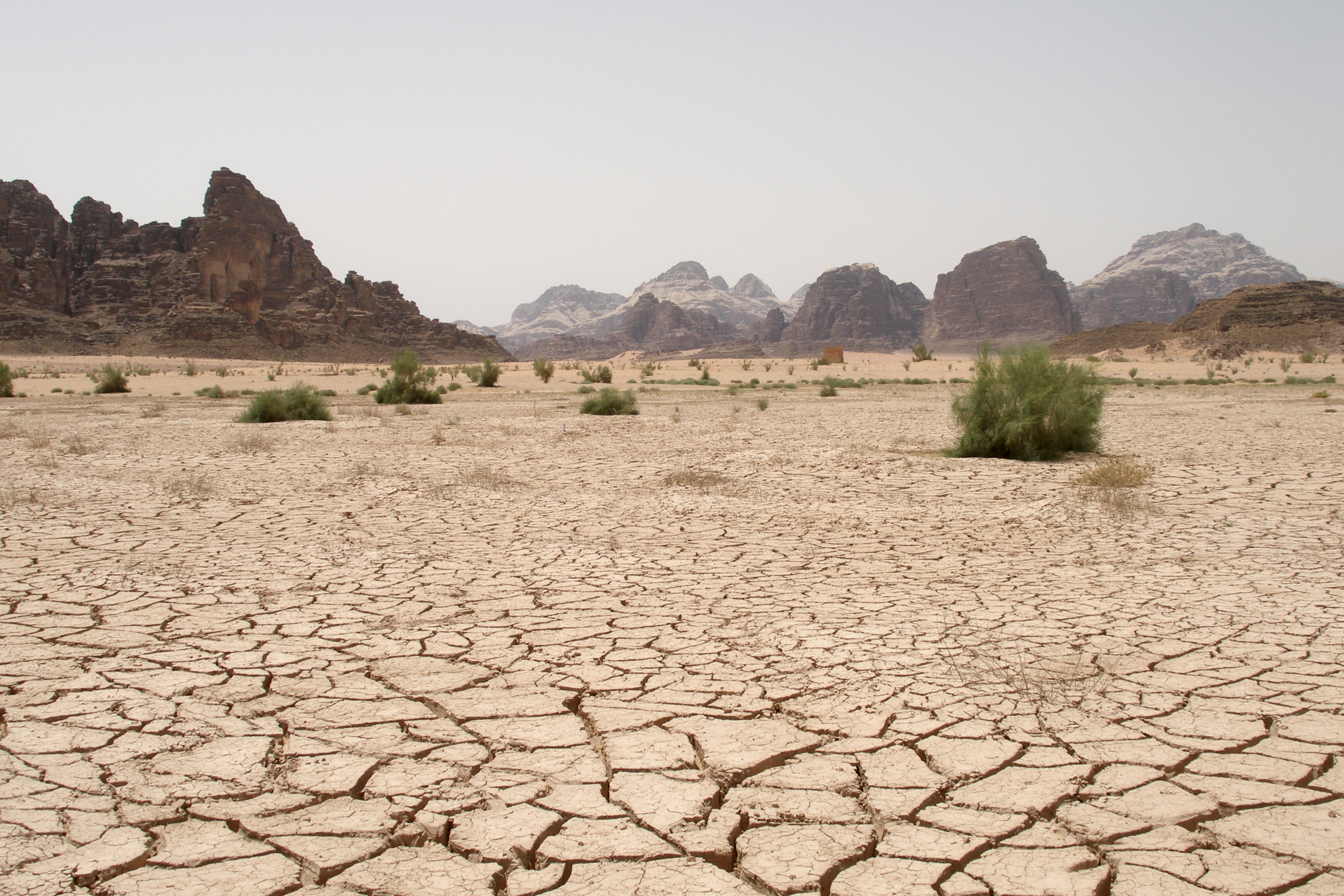
How do ecosystems collapse? Our study shows evolution plays a role – and can delay a disaster
Piyaset/Shutterstock Christopher Blake, Monash University and Michael J. McDonald, Monash University Dying coral reefs, rainforests transforming into savannas,…

Climate change first ‘went viral’ exactly 70 years ago
Marc Hudson, University of Sussex We have grown so used to many things. To the pictures of wildfires…