



In Argentina’s ancient woodlands, animals like Thoatherium, also known as “false horses,” developed unique adaptations like monodactyl limbs (one toe per limb) similar to modern horses. These adaptations evolved millions of years before open grasslands dominated the landscape, suggesting they were suited for crossing open spaces within a mosaic environment, where forest and grass patches intermingled.

Related Posts

You Might Be Surprised What Colors Your Dog Can (and Can’t) See
Dogs see blues and yellows but cannot distinguish reds and greens like humans. Their vision excels at detecting…

To build on Mars, scientists create self-sustaining ‘living’ material
Scientists have developed a self-sustaining material derived from microbes that can transform Martian dust into concrete for constructing future habitats.

Why Our Entire World Depends on This One Tree
The modern world relies on natural rubber, a material that cannot be fully replicated, sourced from a single tree species at risk of being wiped out by a devastating disease.
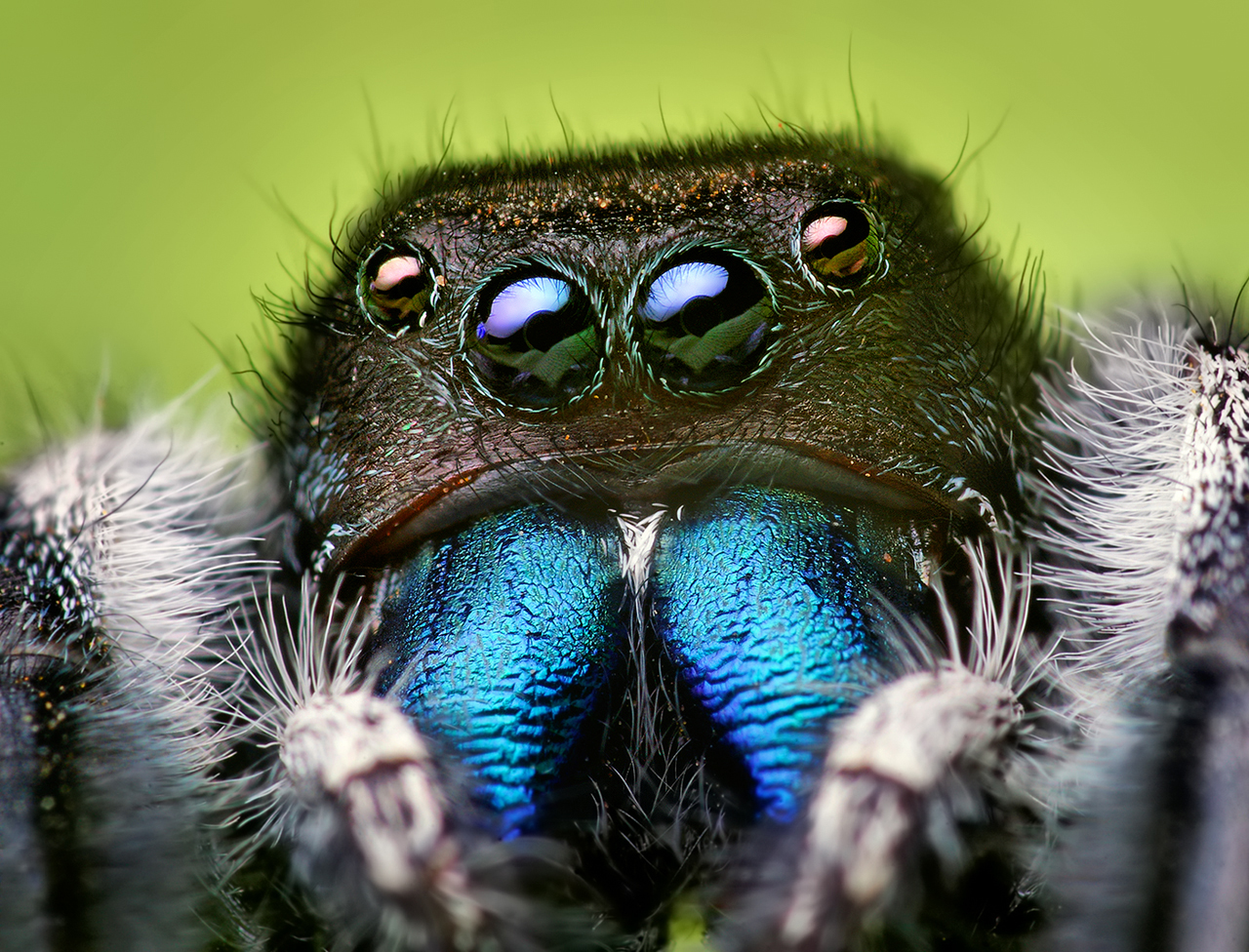
Unveiling the Secrets of Jumping Spiders’ Color Vision
Humans perceive colors using combinations of red, green, and blue light, while animals like jumping spiders have specialized…