



Observations from the James Webb Space Telescope reveal quasars powered by black holes growing far faster than previously thought, with LID-568 feeding 4,000 times beyond the theoretical Eddington limit. This challenges existing models of black hole formation and early universe growth.

Related Posts

Creativity is good for the brain and might even slow down its ageing – new study
Carlos Coronel, Universidad Adolfo Ibáñez and Agustín Ibáñez, Trinity College Creative experience might enhance brain health, which could…

What if the Big Bang wasn’t the beginning? Our research suggests it may have taken place inside a black hole
Vadim Sadovski/Shutterstock Enrique Gaztanaga, University of Portsmouth The Big Bang is often described as the explosive birth of…

Meteorite strike in South Africa: scientists offer clues about what it is and where it came from
Roger Lawrence Gibson, University of the Witwatersrand and Deon van Niekerk, Rhodes University On a Sunday morning in…
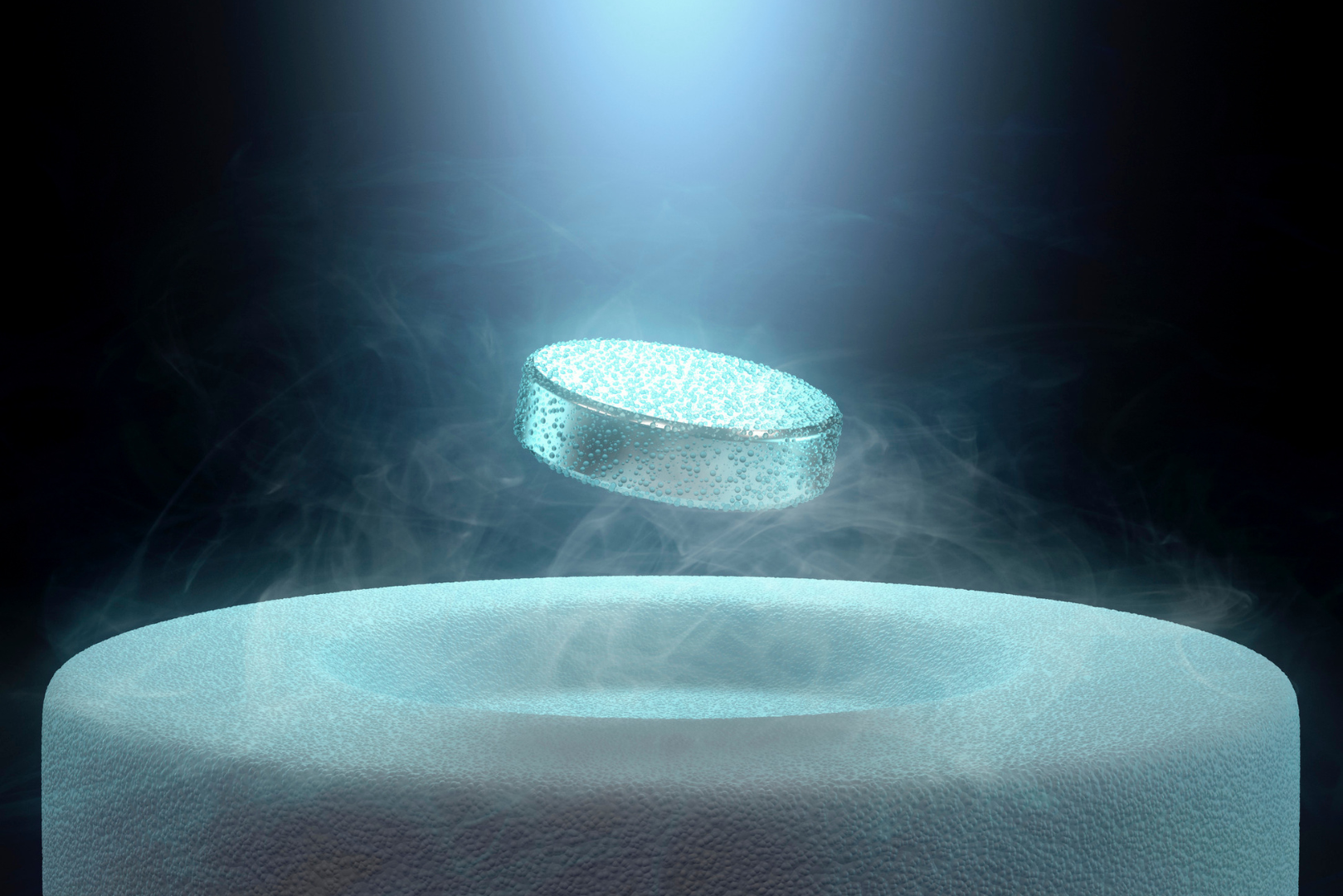
How do superconductors work? A physicist explains what it means to have resistance-free electricity
Magnetic levitation is just one of the interesting attributes that make superconductors so interesting. Mark Garlick/Science Photo Library…