



Observations from the James Webb Space Telescope reveal quasars powered by black holes growing far faster than previously thought, with LID-568 feeding 4,000 times beyond the theoretical Eddington limit. This challenges existing models of black hole formation and early universe growth.

Related Posts

Synchrony with chaos – blinking lights of a firefly swarm embody in nature what mathematics predicted
Fireflies’ synchronized light shows have fascinated observers for ages. Raphael Sarfati, CC BY-ND Raphael Sarfati, University of Colorado…

How do superconductors work? A physicist explains what it means to have resistance-free electricity
Magnetic levitation is just one of the interesting attributes that make superconductors so interesting. Mark Garlick/Science Photo Library…
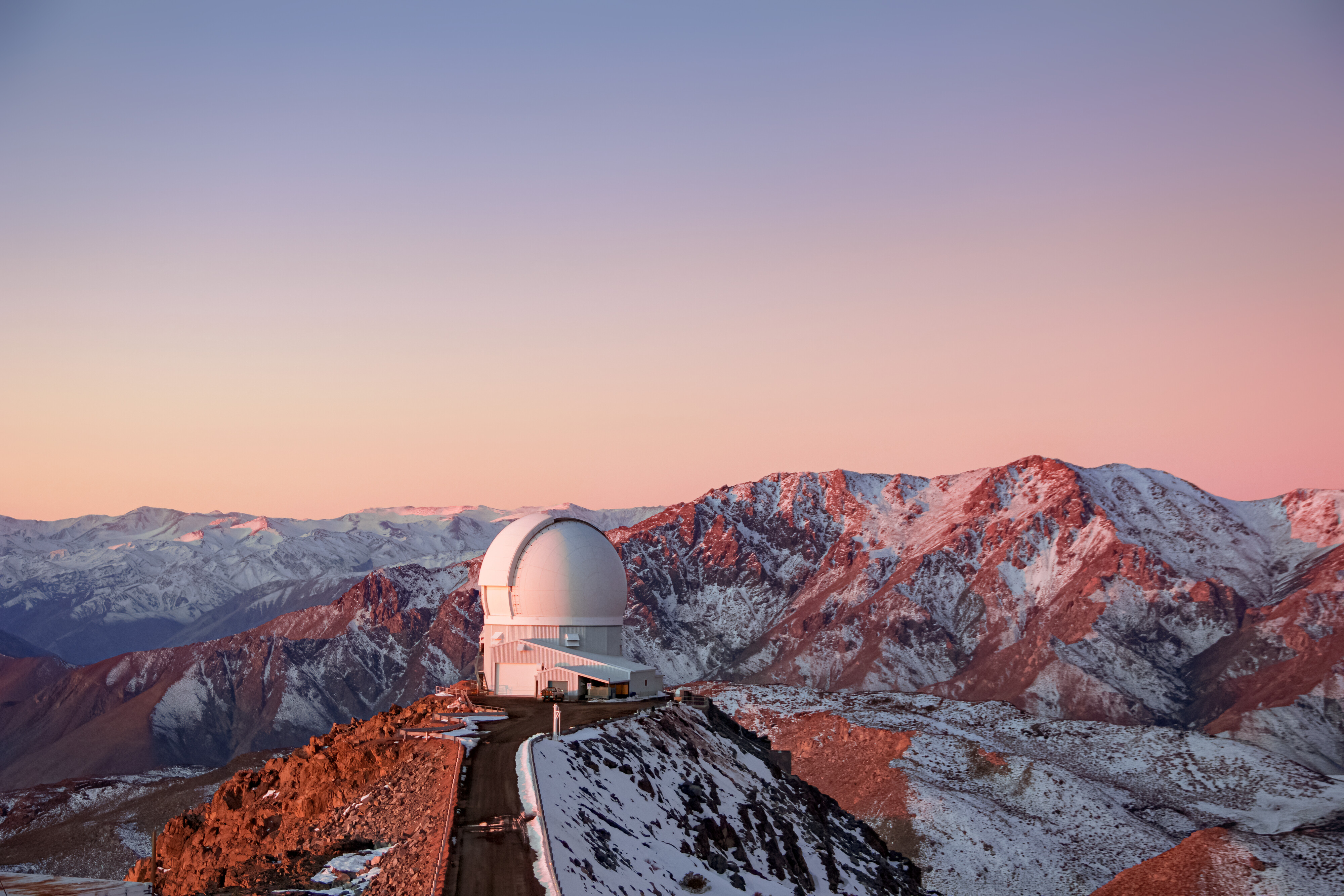
Earth Is Being Led By a Second Newly-Discovered Trojan Asteroid—But Only For 4,000 Years
It appears Earth may be whirring around the Solar System like a dignitary, as it is currently being…

Study: AI assisted in over 13% of 2024 science papers
An analysis of vocabulary trends in 15 million scientific abstracts suggests large language models have had an unprecedented impact on academic writing, influencing at least 13.5% of papers published in 2024.