





At a Glance
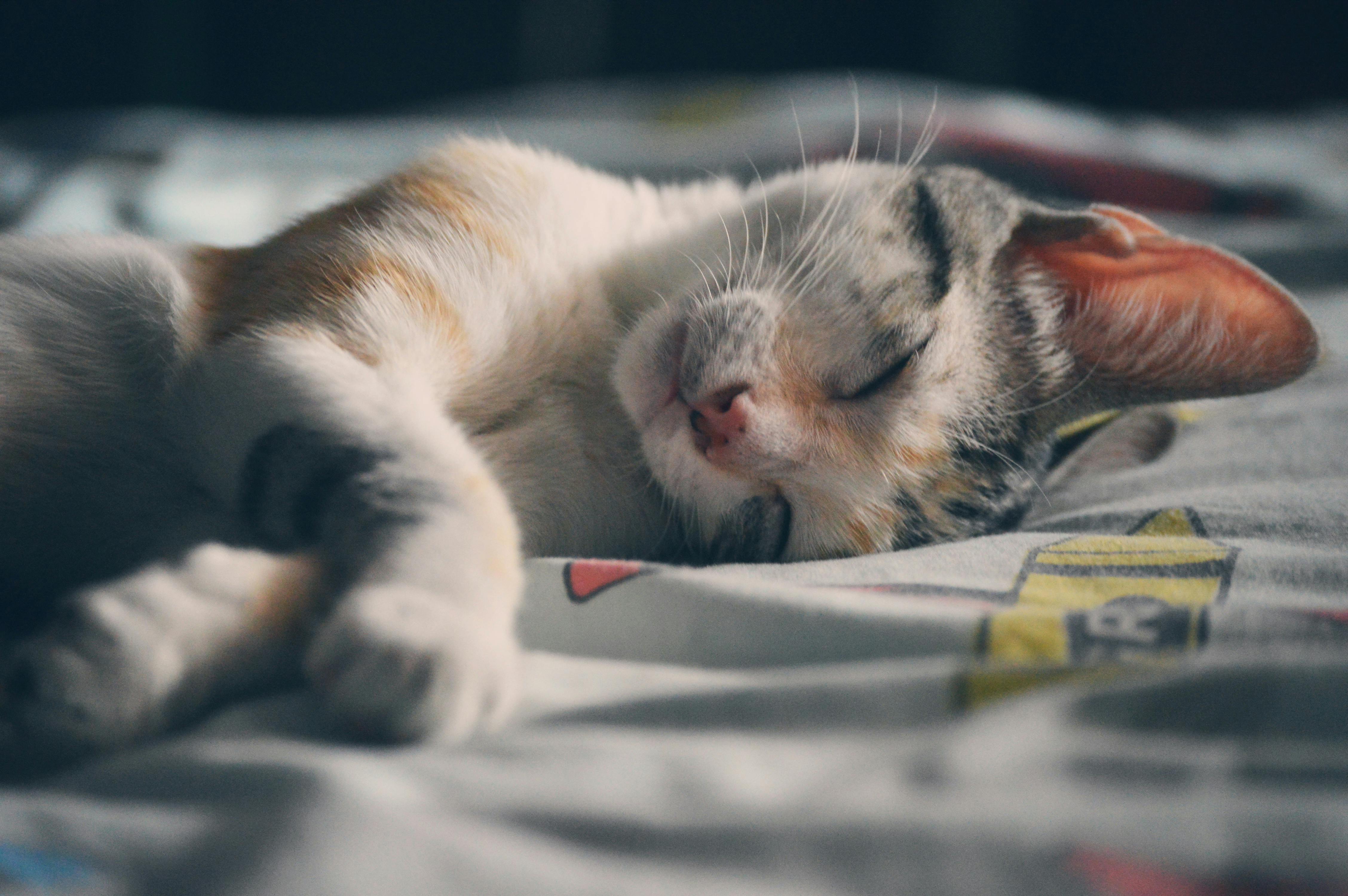
- An international study analyzing hundreds of online videos has discovered that cats show a significant preference for sleeping on their left side, suggesting this is a key survival strategy.
- This preference is linked to a concept called brain lateralization, a specialization of the brain’s hemispheres that enhances cognitive efficiency and helps animals to respond more quickly.
- The research team confirmed this behavioral pattern by analyzing 408 authentic YouTube videos of sleeping felines, carefully excluding any mirrored or altered footage to ensure the data was accurate.
- By sleeping on its left side, a cat keeps its left visual field unobstructed, allowing threat-related information to be sent directly to the right hemisphere of the brain, which is specialized for rapid responses.
- Scientists conclude this specific sleeping posture is an ingrained survival tactic, giving felines a significant advantage by preparing their brains to react more effectively to potential predators or prey.
An international team of researchers has discovered that when cats curl up for a nap, they are not just getting comfortable; they are likely engaging in an evolutionary survival strategy. A new study analyzing hundreds of videos found that cats show a significant preference for sleeping on their left side. According to research published June 23, 2025, in the journal Current Biology, this seemingly minor preference may be a powerful behavior linked to how their brains process threats.
The finding is rooted in a concept known as brain lateralization, which refers to the specialization of the brain’s two hemispheres for distinct functions. Just as most humans are right-handed, many animals exhibit similar left-right asymmetries that improve efficiency. “Asymmetries in behavior can have advantages because both hemispheres of the brain specialize in different tasks,” said Onur Güntürkün, a professor of biopsychology at Ruhr University Bochum and one of the study’s authors. By dedicating specific jobs to each hemisphere, the brain can process information in parallel, reducing cognitive overlap and quickening reaction times.
To investigate this in sleeping felines, the research team, led by scientists in Italy and Germany, turned to a modern data source: YouTube. They analyzed 408 videos where a single cat was seen sleeping on its side for at least 10 seconds, excluding any modified or mirrored footage to ensure data integrity. While cats are known to be vulnerable during their 12- to 16-hour daily sleep period, this study revealed a consistent pattern in their posture. The results were clear: two-thirds of the cats were found sleeping on their left side.
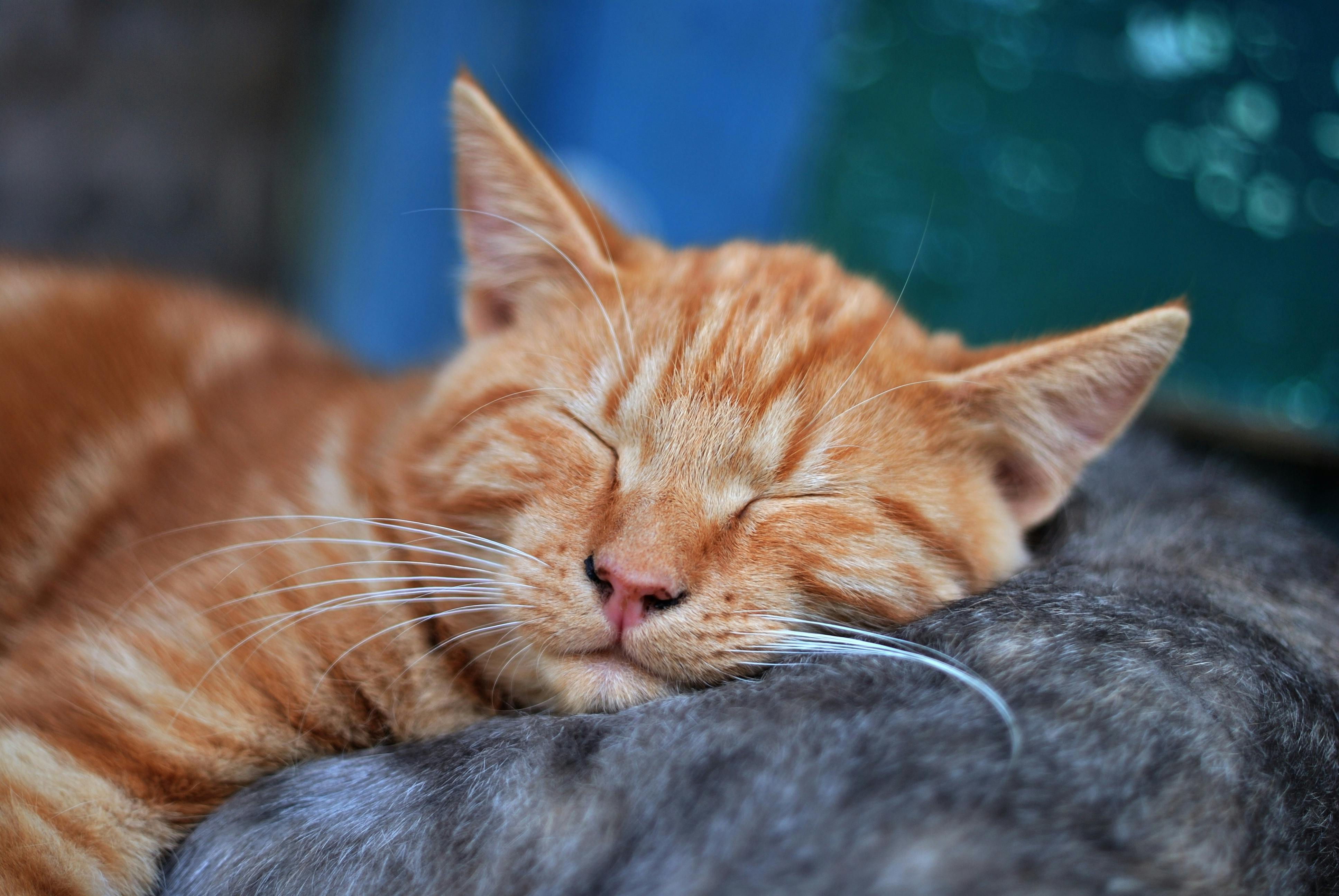
The researchers propose a compelling explanation for this bias, connecting the sleeping position directly to brain function. By sleeping on their left side, a cat’s left visual field remains unobstructed by its own body. Information from this visual field is processed by the brain’s right hemisphere, which, in many species, is specialized for spatial awareness, processing threat-related stimuli, and coordinating rapid escape movements. This alignment means that upon waking, a cat is primed to react more effectively to potential dangers or prey, suggesting the left-side sleeping preference is a subtle but significant survival strategy.
References
- Isparta, S., Ocklenburg, S., Siniscalchi, M., Goursot, C., Ryan, C. L., Doucette, T. A., Reinhardt, P. R., Gosse, R., Çıldır, Ö. Ş., Serenella d’Ingeo, Freund, N., Güntürkün, O., & Demirbas, Y. S. (2025). Lateralized sleeping positions in domestic cats. Current Biology, 35(12), R597–R598. https://doi.org/10.1016/j.cub.2025.04.043
- Ruhr University Bochum. (2025, June 25). Why cats prefer to sleep on their left side may be part of a survival strategy. Phys.Org; Ruhr University Bochum. https://phys.org/news/2025-06-cats-left-side-survival-strategy.html


