



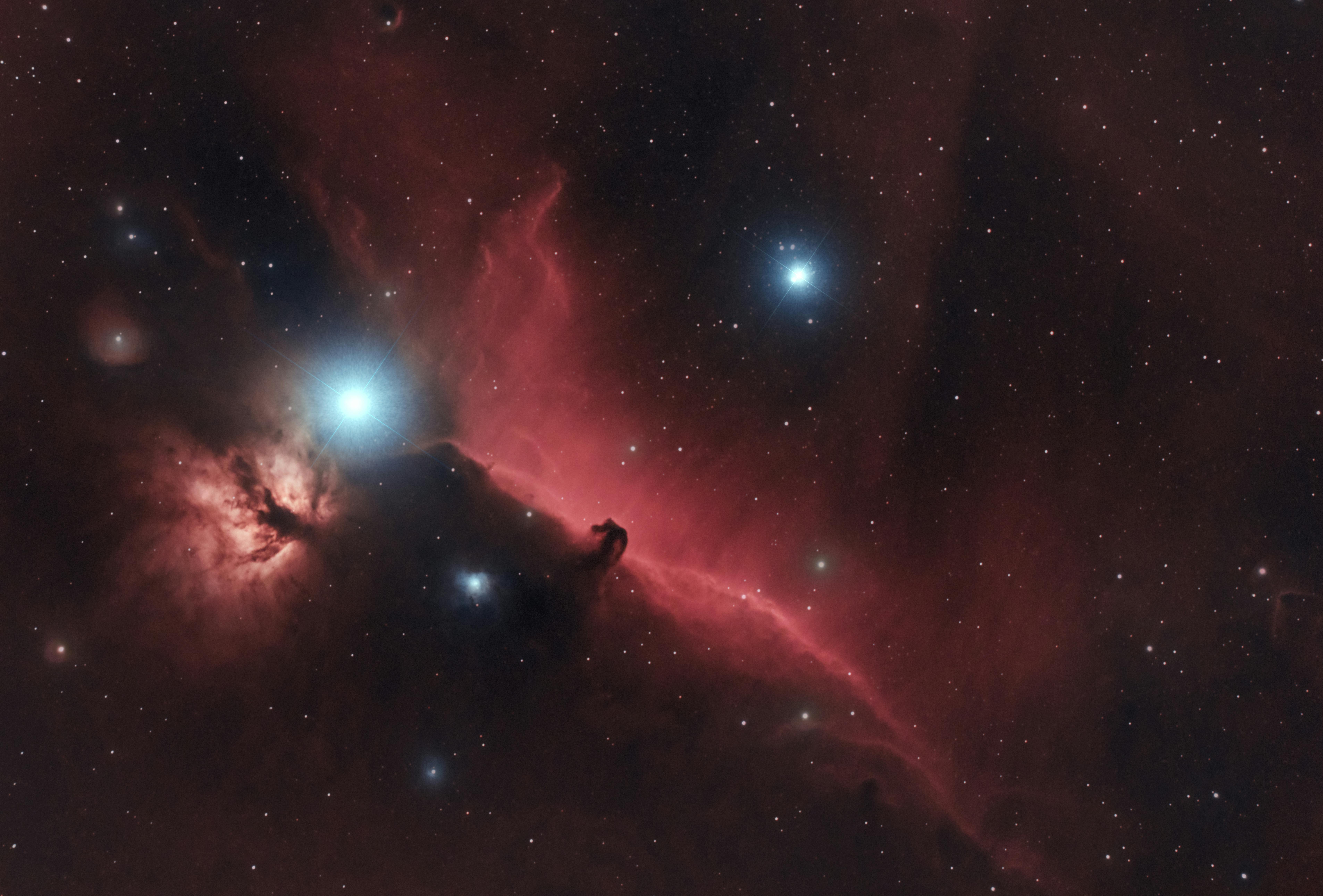

On February 23, 1987, the supernova SN1987A exploded in the Large Magellanic Cloud, visible to the naked eye from the southern hemisphere. This event marked the first supernova visible without a telescope since the invention of the telescope, providing invaluable data for astronomers.

Related Posts

Inside the Computers that Brought Us To the Moon
In a video from Linus Sebastian and the Linus Tech Tips team that’s perhaps a bit different from…

The Atacama Desert Is Covered In Silicate Glass—And Experts Think a Comet Is to Blame
Most people are already aware of the awe-inspiring scale of comets. These icy celestial bodies have been flinging…

What’s the shape of the universe? Mathematicians use topology to study the shape of the world and everything in it
You can describe the shape you live on in multiple dimensions. vkulieva/iStock via Getty Images Plus John Etnyre,…

Webb Telescope’s Deep Dive into NGC 5068’s Star Formation Unveiled
The James Webb Space Telescope recently presented a stunning image showcasing the barred spiral galaxy NGC 5068, captured…