



The Four-Color Theorem is an intriguing mathematical puzzle rooted in graph theory and map coloring. This timeless problem traces its origins back to the 19th century. It challenges whether any planar map can be colored using four colors so that no neighboring regions share the same hue.

Related Posts
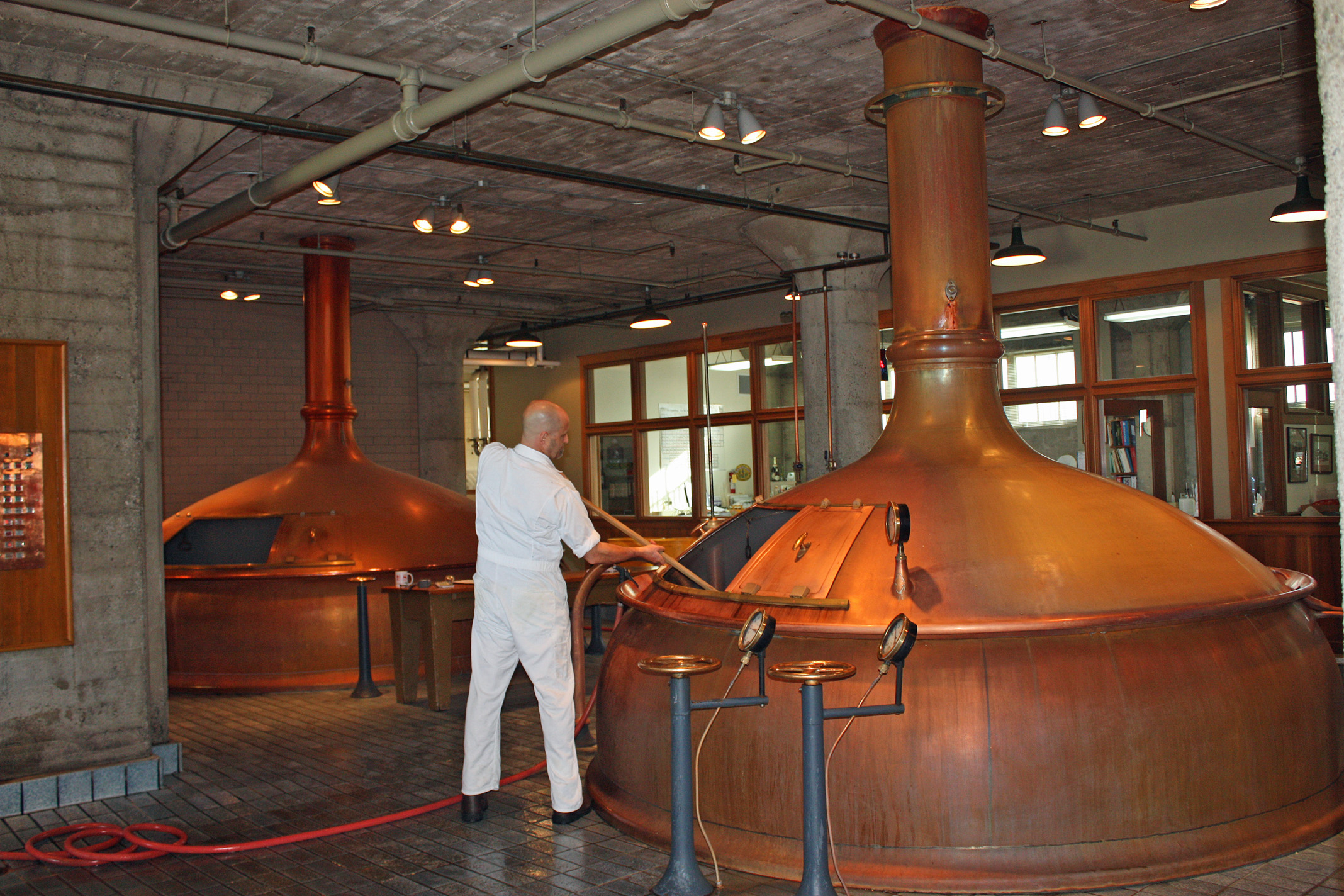
The chemistry behind beer brewing is still shrouded in mystery, but tiny microfluidic chips could change that
Katherine Elvira, University of Victoria As the brewing industry expands and new beer styles, such as hazy pale…

Why do I crave sugar and carbs when I’m sick?
Adrian Swancar/Unsplash Hayley O’Neill, Bond University Your nose is running, your head hurts and you feel like you’re…

Lord Kelvin: how the 19th century scientist combined research and innovation to change the world
Statue of Lord Kelvin in Glasgow. University of Glasgow, CC BY-SA Martin Hendry, University of Glasgow “What got…

Nuclear Physicists Observe Strange Matter Formation for the First Time
Scientists have observed how lambda particles, or “strange matter,” are produced using semi-inclusive deep inelastic scattering (SIDIS). The…