
At a Glance
- A widely used agricultural fungicide, chlorothalonil, harms non-target insects, such as the vinegar fly, even at levels commonly found on fruits and vegetables sold to consumers.
- Chronic exposure to the chemical during the larval stage was found to reduce survival rates, extend development time, and dramatically decrease the reproductive success of adult insects.
- Female flies exposed to the fungicide showed reduced body weight and fewer egg-producing structures, while male flies experienced a drop in iron levels essential for sperm production.
- The study highlights a significant gap in pesticide regulation, as fungicides often assumed to be harmless to insects can have devastating unintended consequences for ecosystems.
- Researchers are calling for sustainable agricultural practices and field trials to develop guidelines that protect beneficial insects, which are crucial for pollination and nutrient cycling in the environment.
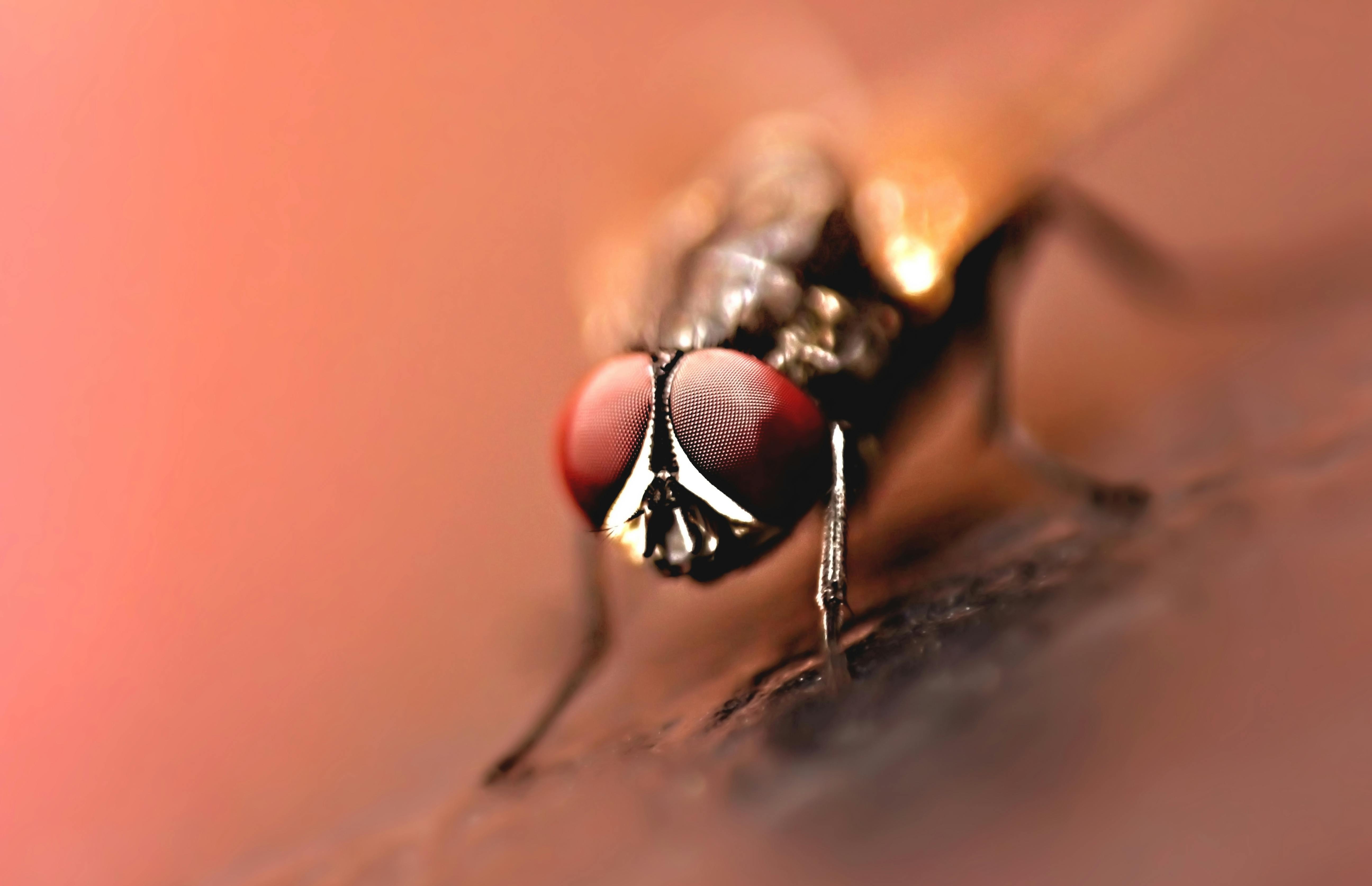
A new study from Macquarie University reveals that a common agricultural fungicide is severely impacting beneficial insects, contributing to their worldwide decline. The research, published in Royal Society Open Science, examined the effects of chlorothalonil on the vinegar fly, Drosophila melanogaster. Scientists found that even at the lowest concentrations typically present on fruits and vegetables, the chemical damages the insects’ ability to survive and reproduce. This raises significant concerns for non-target species that are essential for pollination and maintaining healthy ecosystems.
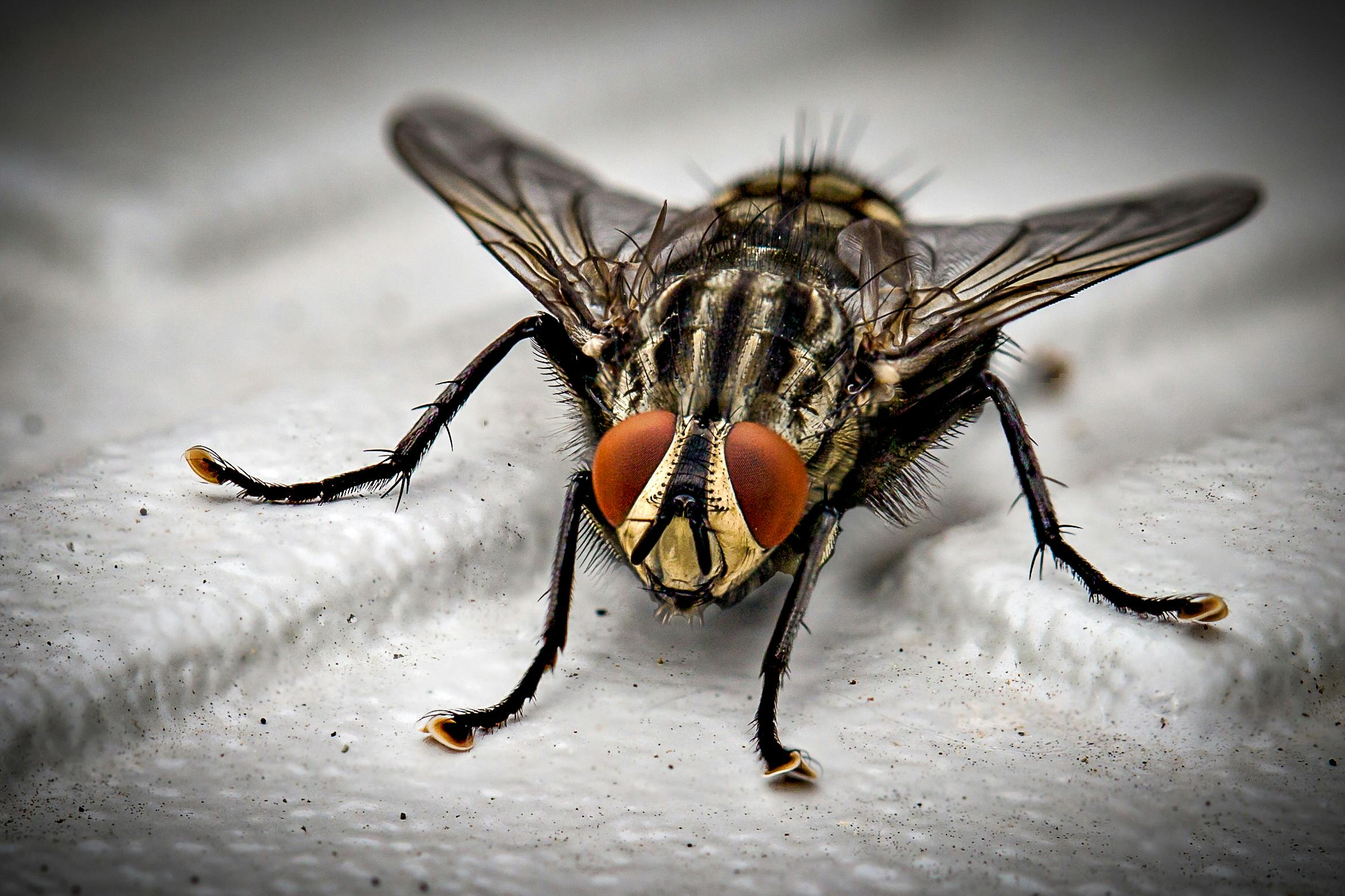
The experiment involved raising vinegar fly larvae on a diet containing chlorothalonil at levels mirroring environmental exposure. The results were stark: flies exposed to the lowest dose experienced a 37% drop in egg production. Female flies suffered from reduced body weight and had fewer ovarioles, the internal structures that produce eggs. Males were also affected, exhibiting reduced iron levels —a key element in metabolic processes essential for healthy sperm production —indicating that the fungicide impairs fertility in both sexes.
These findings suggest that the chemical’s impact is not due to the insects avoiding the contaminated food, but rather from the toxic effects of ingesting it. “People assume fungicides like chlorothalonil only impact fungal diseases, but they can have devastating, unintended consequences for other species,” said supervising author Associate Professor Fleur Ponton in a university press release. The study links the use of such agrochemicals to the broader phenomenon known as the “insect apocalypse,” characterized by the observed global decline in insect populations.

While banned in the European Union, chlorothalonil is still widely used in Australia and other parts of the world on crops from orchards to vineyards. The researchers emphasize the urgent need to understand these unintended consequences and develop more sustainable agricultural practices. They call for field trials to create evidence-based guidelines that account for the fungicide’s impact on beneficial insects, which are critical for both environmental stability and commercial agriculture.
References
- Dissawa, D. M., Boyer, I., & Ponton, F. (2025). Chlorothalonil exposure impacts larval development and adult reproductive performance in Drosophila melanogaster. Royal Society Open Science, 12(6), 250136. https://doi.org/10.1098/rsos.250136
- Molloy, F. & Macquarie University. (2025, June 30). Common farm fungicide may be contributing to ‘insect apocalypse’. Phys.Org; Macquarie University. https://phys.org/news/2025-06-common-farm-fungicide-contributing-insect.html