




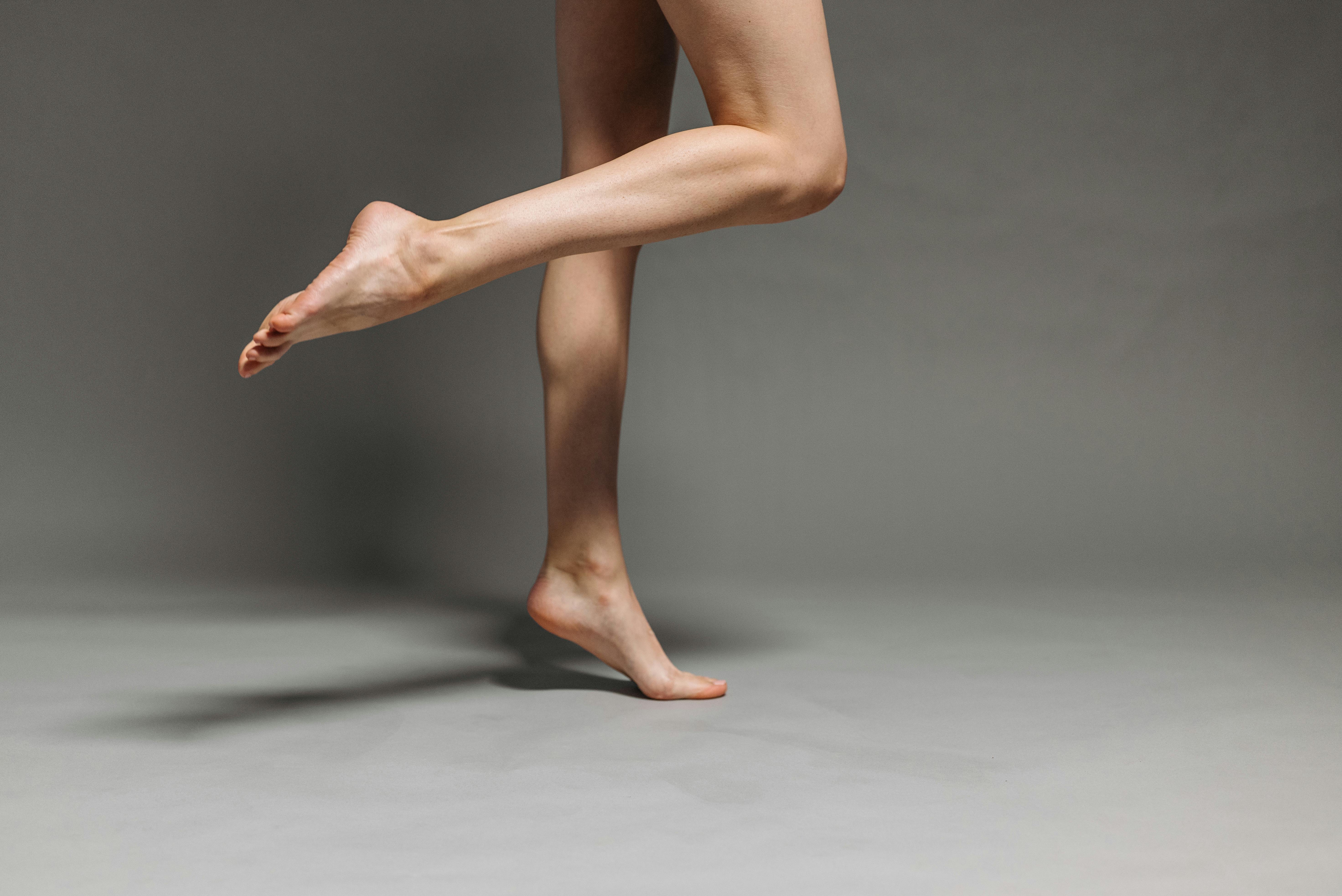

How long can you stand on one leg?
The 10-Second Health Test
Balance is so fundamental we often take it for granted, but it’s a powerful predictor of health and longevity. A major 2022 study found that the inability to stand on one leg for 10 seconds was linked to a two-fold increased risk of death in people over 50. More recently, a 2024 Mayo Clinic study concluded that balance is the single best indicator of neuromuscular ageing.
The Science of Staying Upright
To stay balanced on one foot, your body relies on a constant stream of information. Your vision provides data about your position, your inner ear detects changes in head orientation, and your proprioceptive system tells your brain where your limbs are. The brain processes these signals and triggers automatic muscle corrections to keep you from falling over.

Why Balance Declines With Age
All the systems that contribute to balance tend to deteriorate as we get older, affecting our ability to stay stable. Furthermore, health conditions common in older adults—such as obesity, heart disease, hypertension, and type 2 diabetes—can significantly compromise balance and increase the risk of falls and injuries.
Use It or Lose It: How to Improve
The good news is that balance is a skill you can improve with practice. Simple daily exercises, such as standing on one leg while brushing your teeth, walking in a straight line, or practicing yoga or tai chi, can make a huge difference. Maintaining an exercise routine is crucial to preserving muscle strength, flexibility, and coordination as you age.


