






Genetic Study Shows Yellowstone Bison Now Form One Interbreeding Herd
A Legacy Nearly Lost
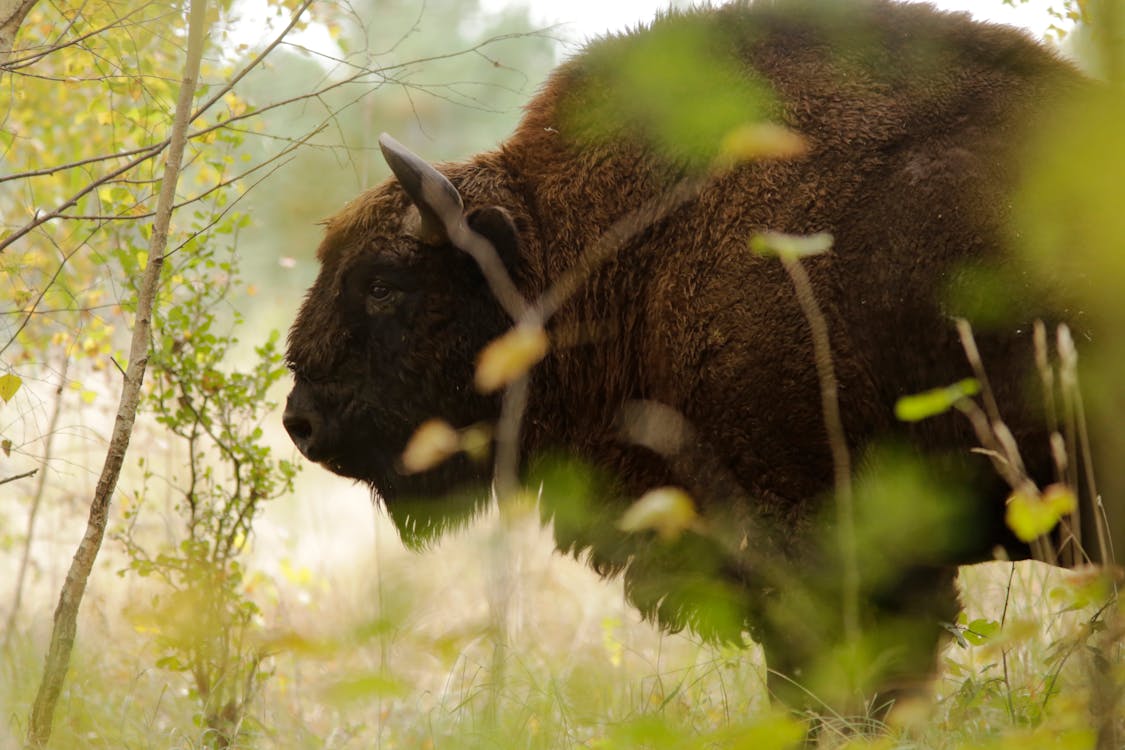
Yellowstone National Park protects the only American bison herd continuously wild since the late 19th century. These magnificent animals faced near annihilation from poaching, with numbers plummeting to a mere 23 individuals by the early 1900s.
Rebuilding and Past Divisions
To bolster the struggling population, 18 female bison from Montana and three bulls from Texas were introduced. While the herd grew, earlier genetic studies indicated that the bison had separated into two distinct breeding subgroups within the park.
The Unifying Discovery
Groundbreaking new research, published in the Journal of Heredity by scientists from Texas A&M, reveals a significant change. The Yellowstone bison are no longer genetically separate; they now function as a single, interbreeding herd.

How They Found Out
Researchers employed advanced genetic tools, analyzing bison across both their summer breeding grounds and winter ranges. The findings conclusively showed no significant genetic differences, indicating free interbreeding throughout the park.
A Conservation Triumph
This genetic reunification marks a high point in one of history’s most successful wildlife conservation sagas. From the brink of extinction, the Yellowstone bison population now fluctuates between 4,000 and 6,000 individuals, a testament to dedicated efforts.
Importance for the Future
Understanding this genetic unity is crucial. It offers precise insights into the herd’s health, enabling more effective management to ensure the long-term stability and sustainability of this iconic species for generations to come.


