



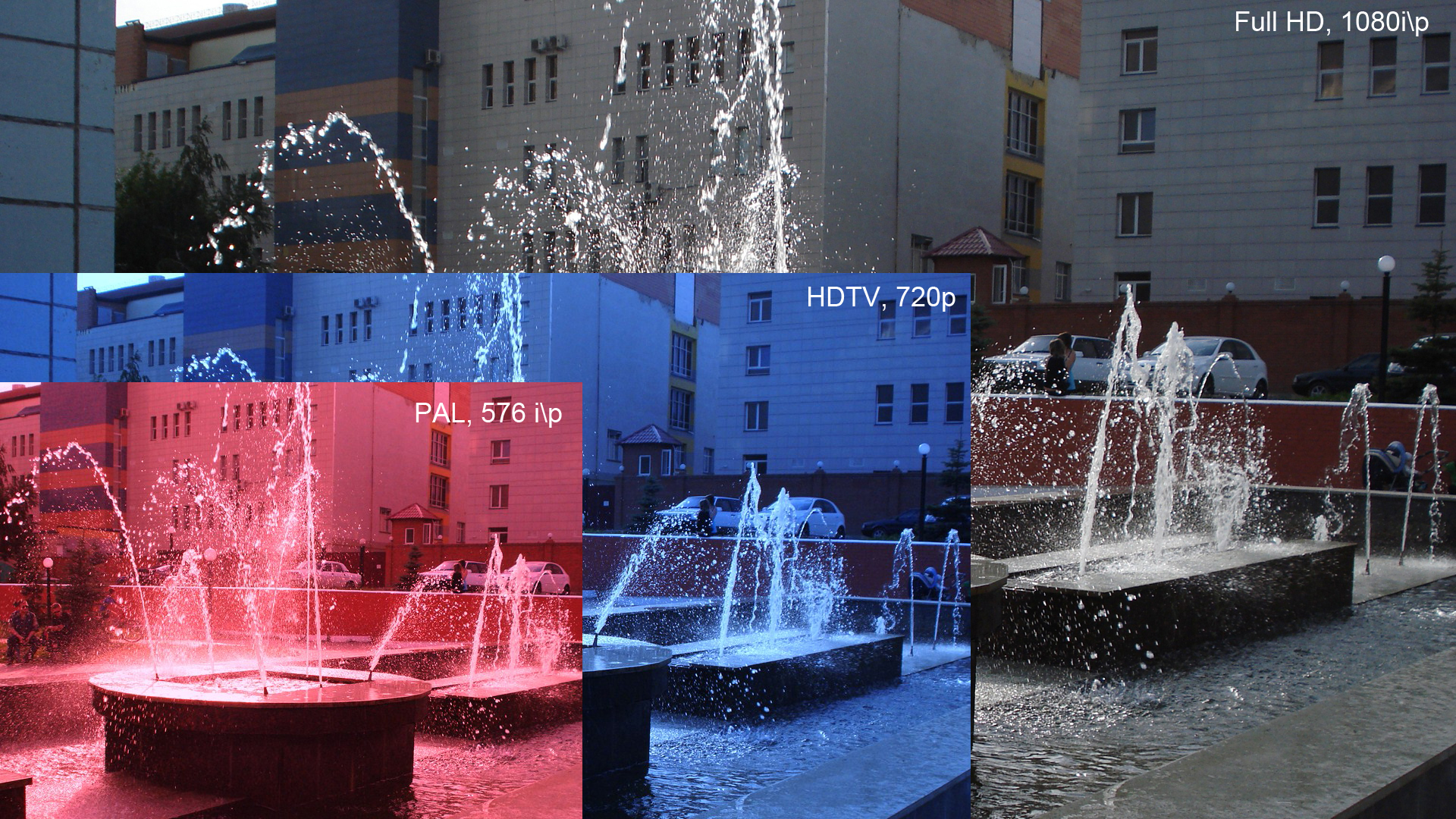

HD TV standards evolved from analog to digital, with ITU and SMPTE developing standards like 720p and 1080i. By the early 2000s, these culminated in the 16:9 aspect ratio and 1920×1080 resolution for HD displays. The shift to HD standards set a precedent for future resolutions like 4K and 8K, marking a milestone in standardization efforts across TV and computer displays after decades of varied formats and resolutions.

Related Posts

Artificial intelligence and biology: AI’s potential for launching a novel era for health and medicine
James Colter, University of Calgary It can be estimated theoretically that more unique biological interactions exist than stars…

Solar geoengineering might work, but local temperatures could keep rising for years
Some areas wouldn’t see immediate effects, and there could be serious consequences. Buda Mendes/Getty Images Patrick W. Keys,…

New Camera Imaging Tech Is Barely the Size of a Salt Grain
Cameras that used to require an entire team of people to carry around now fit snugly inside your…

How AI Learns to “See” the World
In computer vision, experts explore teaching computers to see the world like humans do. Unlike traditional supervised learning…