





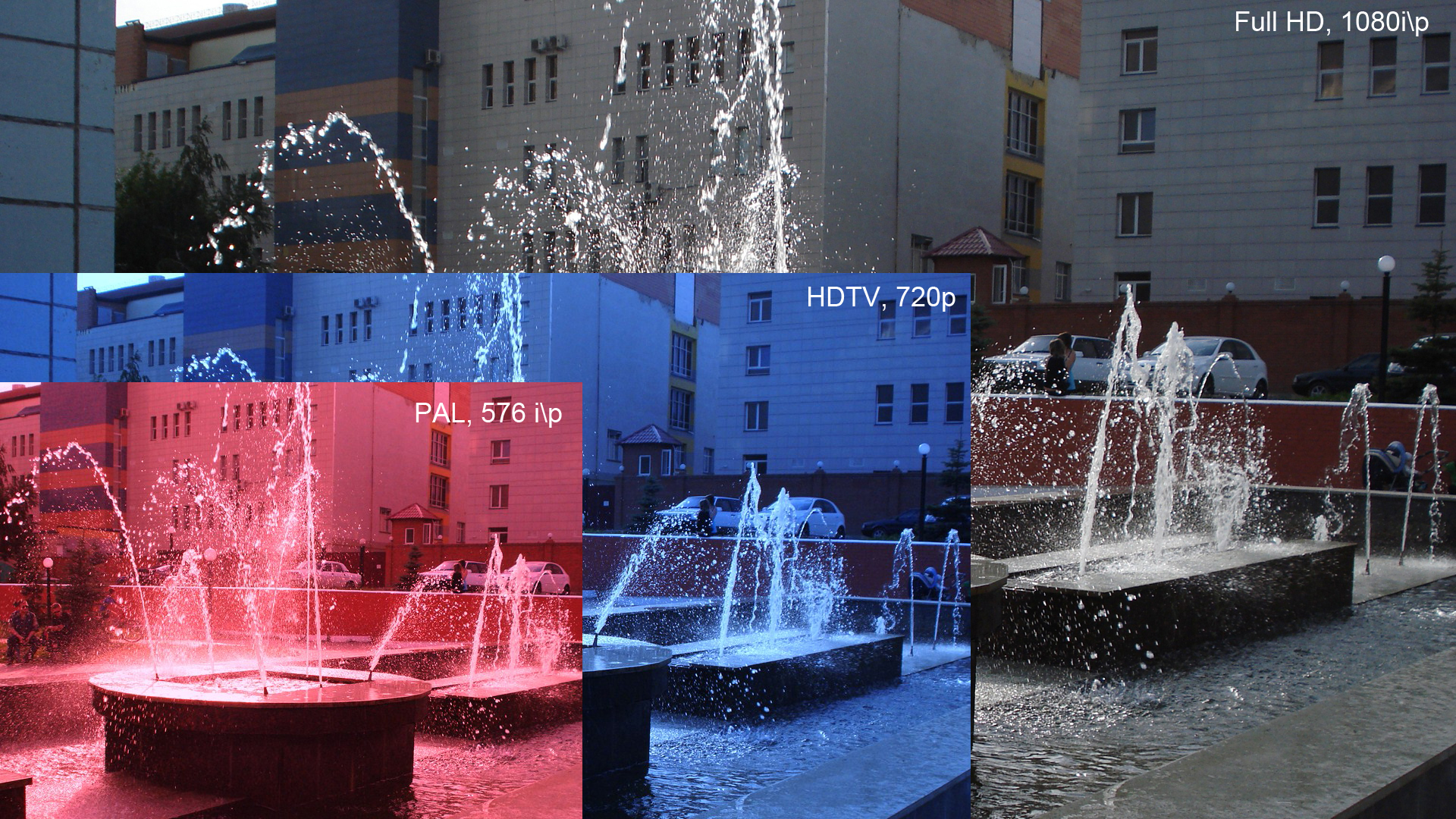

HD TV standards evolved from analog to digital, with ITU and SMPTE developing standards like 720p and 1080i. By the early 2000s, these culminated in the 16:9 aspect ratio and 1920×1080 resolution for HD displays. The shift to HD standards set a precedent for future resolutions like 4K and 8K, marking a milestone in standardization efforts across TV and computer displays after decades of varied formats and resolutions.

Related Posts

A robot that you ride like a horse is being developed. It will stretch current limits of engineering
Matías Mattamala, University of Oxford Kawasaki has recently revealed its computer-generated concept for the Corleo, a “robotic horse”.…

What’s In the Future for Flying Vehicles?
For an idealistic invention that’s seemingly the poster child of future technology as a whole, there isn’t much…

‘Urban mines’: how to unlock our electronic junk’s potential
Could this heap of junk prevent us from having to open a new mine? Hellebardius, CC BY-NC-ND Fanny…

High School Student Develops AI to Discover 1.5 Million Unknown Space Objects
At a Glance A high school student from California has made a groundbreaking contribution to astronomy by developing…