





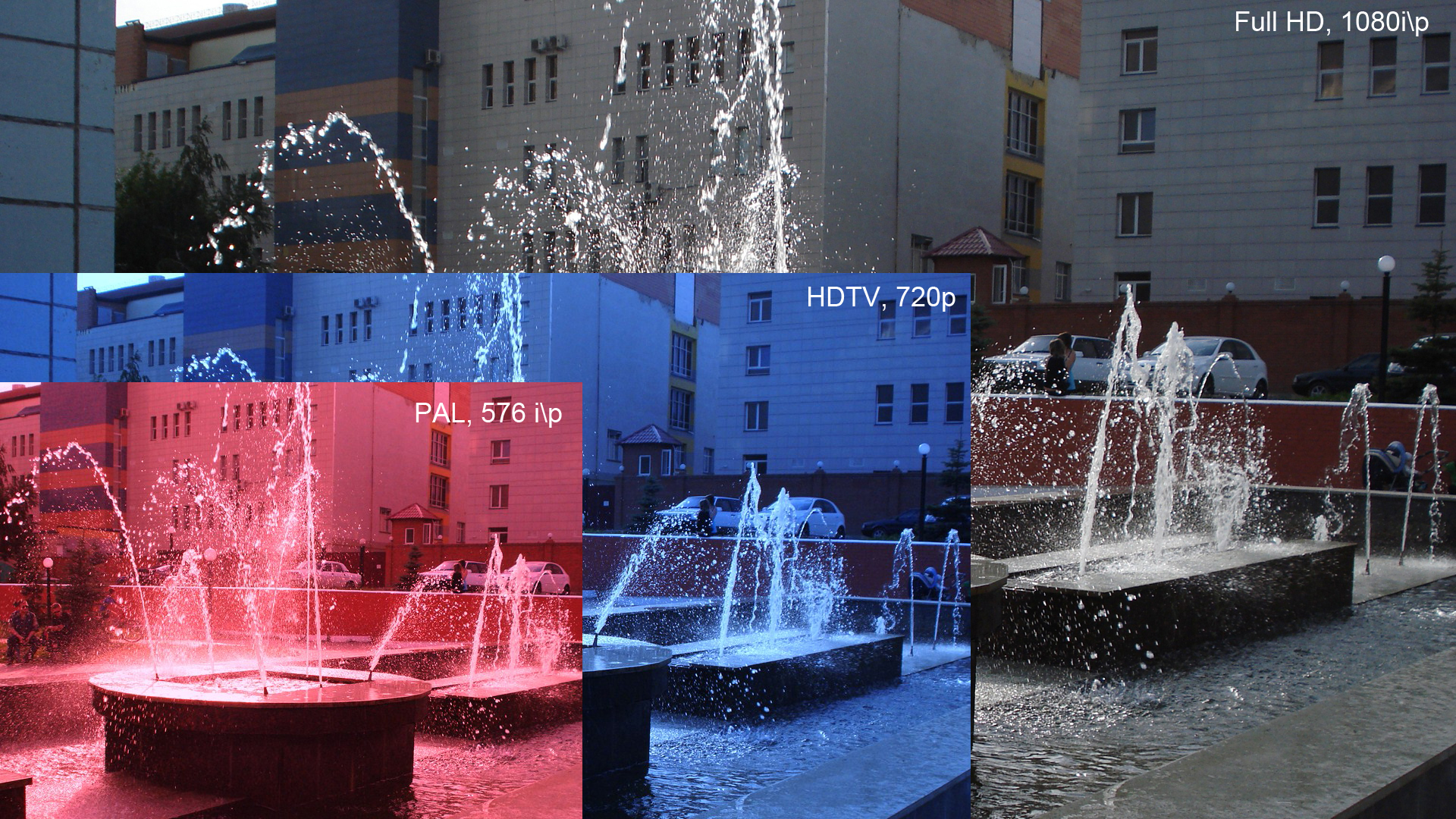

HD TV standards evolved from analog to digital, with ITU and SMPTE developing standards like 720p and 1080i. By the early 2000s, these culminated in the 16:9 aspect ratio and 1920×1080 resolution for HD displays. The shift to HD standards set a precedent for future resolutions like 4K and 8K, marking a milestone in standardization efforts across TV and computer displays after decades of varied formats and resolutions.

Related Posts

AI could supercharge human collective intelligence in everything from disaster relief to medical research
Top tech team: surgeons operating with help frm artificial intelligence. Have a nice day Photo Hao Cui, Trinity…

Researchers Honor Nobel Physics Laureates for Contributions to Neural Networks
(Featured image: Ill. Niklas Elmehed © Nobel Prize Outreach) At a Glance This year’s Nobel Prize in Physics…

The ESA’s Hera mission takes flight toward the asteroid deflected by NASA’s DART probe two years ago
Hera and its two CubeSats are leaving Earth on October 7th. ESA, CC BY The European Space Agency’s…

New Flexible Supercapacitor Takes Inspiration From An Accordion
The dream of a future with flexible, transparent electronic devices is a tantalizing one, and is a dream…