





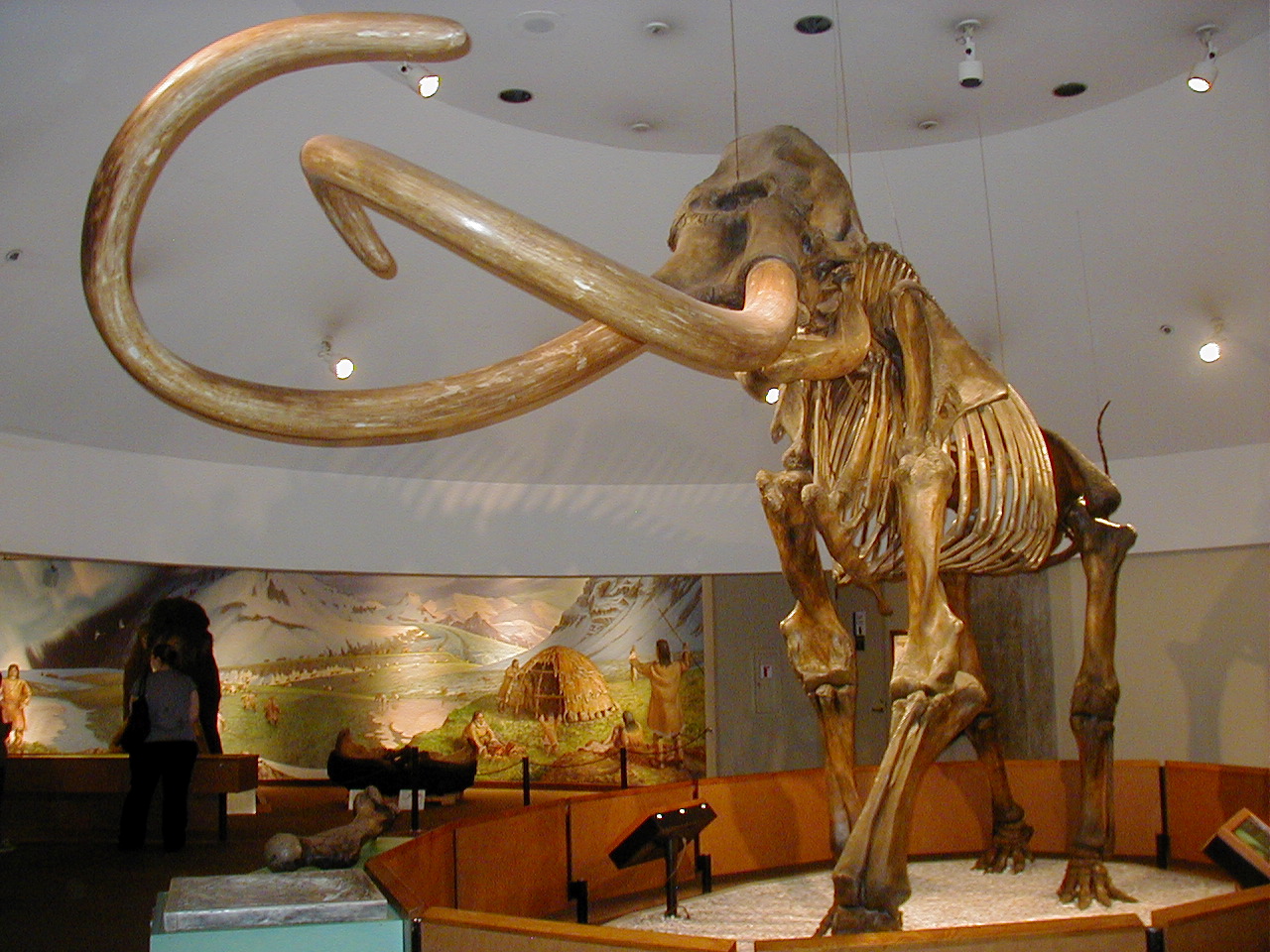

Around 20 million years ago, proboscideans, the ancestors of modern elephants, began expanding from Africa and Arabia into Eurasia and the Americas. Early species lacked the long, flexible trunks we associate with today’s elephants and instead had elongated lower jaws with additional tusks. These long-jawed proboscideans thrived in diverse habitats until trunked species like mammoths and mastodons replaced them due to environmental changes.

Related Posts

Organisms without brains can learn, too – so what does it mean to be a thinking creature?
Shutterstock Thomas White, University of Sydney The brain is an evolutionary marvel. By shifting the control of sensing…

New Study Exploring Birds’ “Magnetic Sense” Sparks Debate
Science, being a field that runs on the lifeblood of its researchers and fact-finders, doesn’t always hit its…

A ‘trilobite Pompeii’: perfectly preserved fossils of ancient sea critters found buried in volcanic ash
A. El Albani (University of Poitiers) John Paterson, University of New England If you’ve ever visited the fossil…

Saving New York Using the “Billion Oyster Project”
The Billion Oyster Project aims to restore the ecosystem of New York Harbor by planting a billion oysters…