





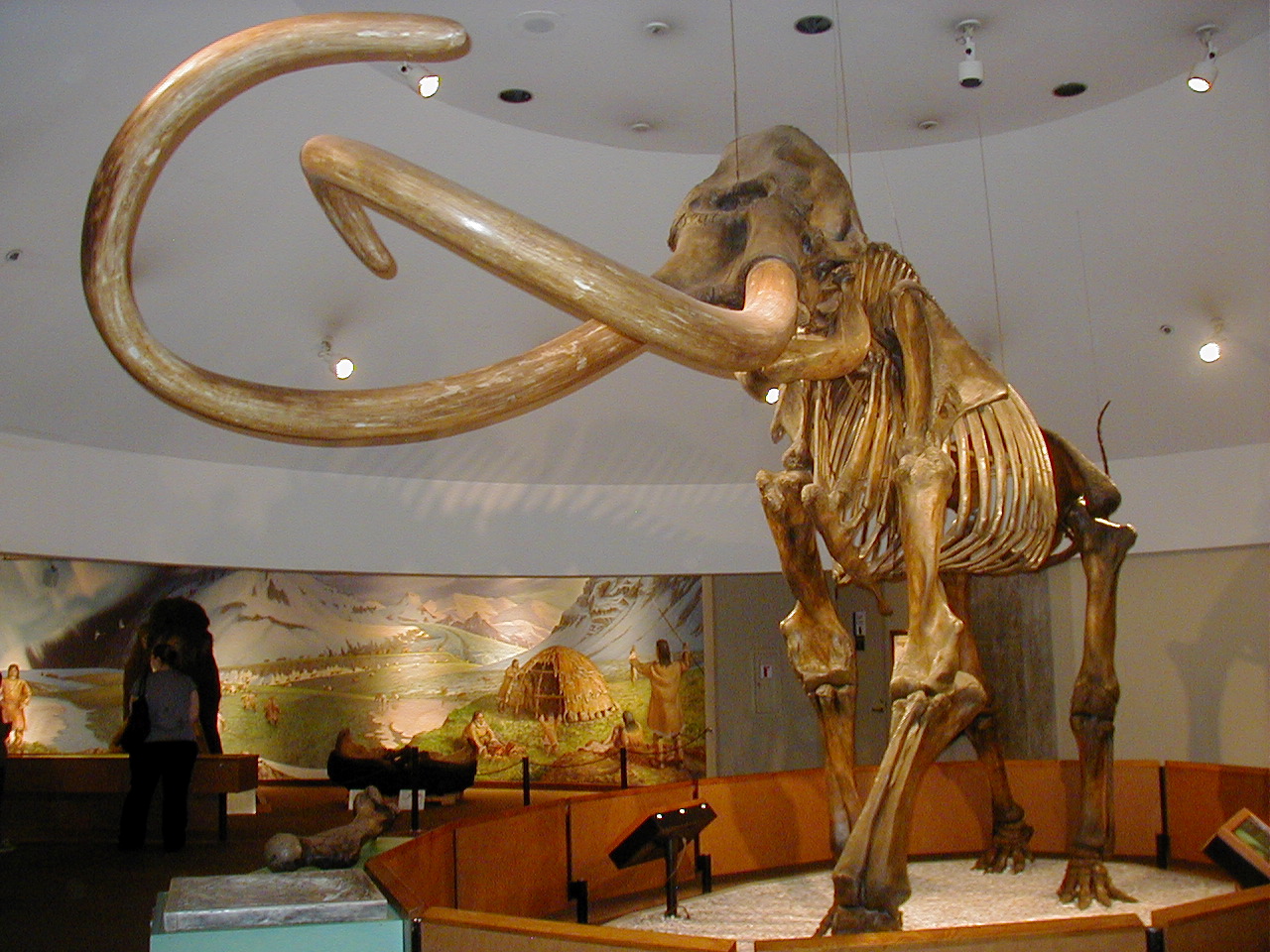

Around 20 million years ago, proboscideans, the ancestors of modern elephants, began expanding from Africa and Arabia into Eurasia and the Americas. Early species lacked the long, flexible trunks we associate with today’s elephants and instead had elongated lower jaws with additional tusks. These long-jawed proboscideans thrived in diverse habitats until trunked species like mammoths and mastodons replaced them due to environmental changes.

Related Posts

Chinese Fossil Find Yields 125 Million-Year-Old Preserved Dinosaur Cells
Caudipteryx (kaw-DIP-tear-ricks) is a small two-legged theropod dinosaur that’s about the size of a modern-day peacock. It lived…

Ancient frogs in mass grave died from too much sex – new research
The author looking at fossil specimens from the Geiseltal collection in Germany. Daniel Falk, Author provided Daniel Falk,…

Finding a Lost Civilization With Baboons
Archaeologists have long been puzzled by the ancient Egyptian references to Punt, a land famed for its wealth…

Get to Know Some of Humanity’s Cousins
The Paranthropus genus, a group of hominins closely related to humans and chimpanzees, took a different evolutionary path…