





Recent lunar exploration efforts, including those by private companies and nations like India and China, have focused on the lunar south pole due to the discovery of significant water in the region, potentially turning the Moon into a crucial resource for future space exploration.

Related Posts
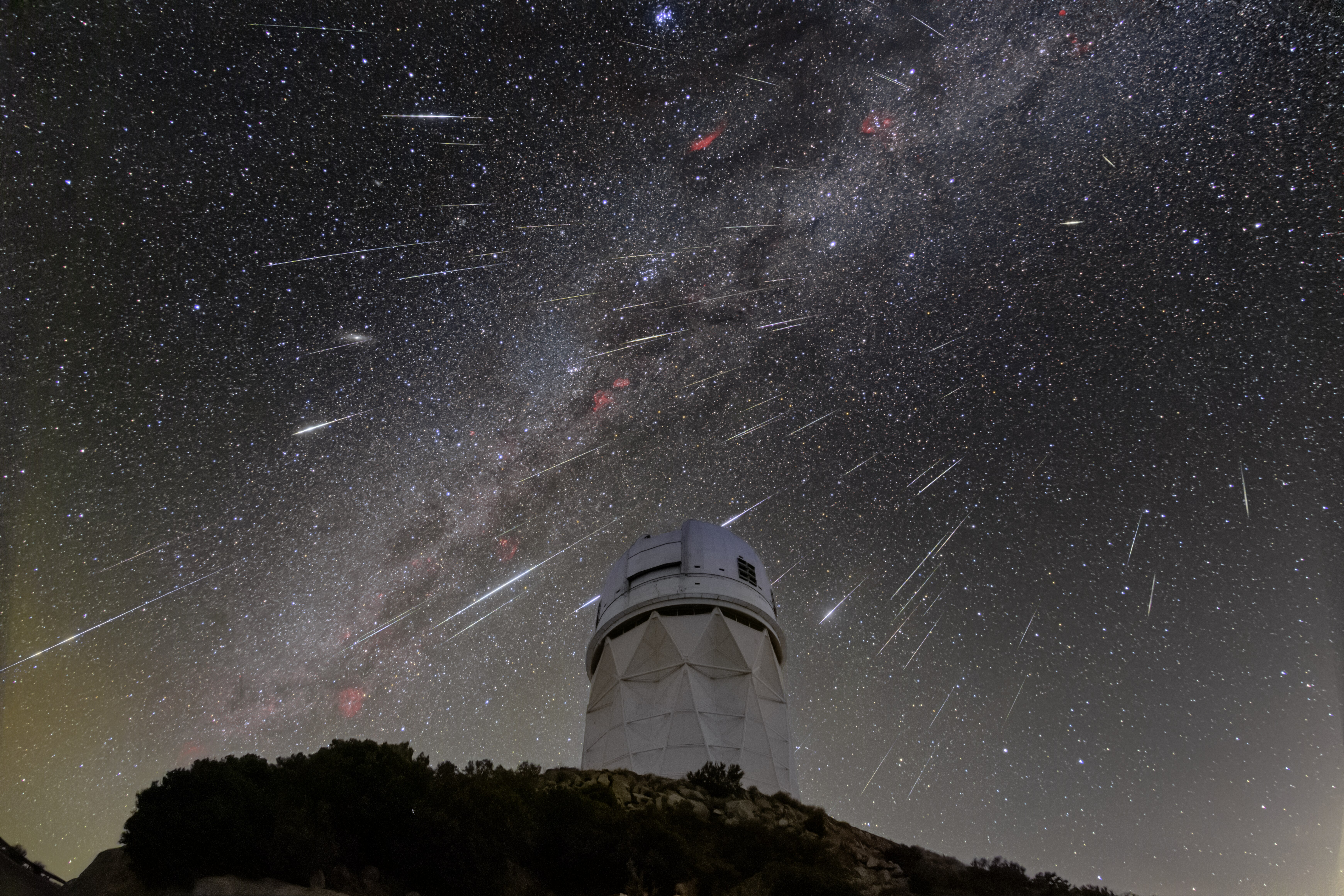
Comet, rocket, space junk or meteor? Here’s how to tell your fireballs apart
A blaze of light streaks across the sky, but what is it? Wendy Miller/Flickr, CC BY-NC-ND Michael J.…

For the Maya, solar eclipses were a sign of heavenly clashes − and their astronomers kept sophisticated records to predict them
El Castillo pyramid illuminated at night under a starry sky in Chichen Itza, Mexico, one of the largest…

Venus: the trouble with sending people there
NASA/JPL Andrew Coates, UCL Venus, often called Earth’s “evil twin” planet, formed closer to the Sun and has…

What’s it like to be on Venus or Pluto? We studied their sand dunes and found some clues
Sand blown by wind into ripples within Victoria Crater at Meridiani Planum on Mars, as photographed by NASA’s…