







At a Glance
- A new study by Gaston Abea revealed that Western lowland gorillas in Congo use soil scratching to find truffles, not insects, as previously assumed.
- Abea combined traditional ecological knowledge and scientific observation over a decade to discover that gorilla foraging behaviors may have a social component influenced by group dynamics.
- The research had significant conservation impacts, helping park managers protect key gorilla feeding areas by adjusting tourism infrastructure and expanding the Nouabalé-Ndoki National Park.
- Abea became the first Indigenous research assistant to lead a scientific study in the Ndoki region, marking a significant milestone in Indigenous participation in academic research.
- His work highlights the valuable role of traditional knowledge in advancing scientific discovery and promoting more effective wildlife conservation strategies.
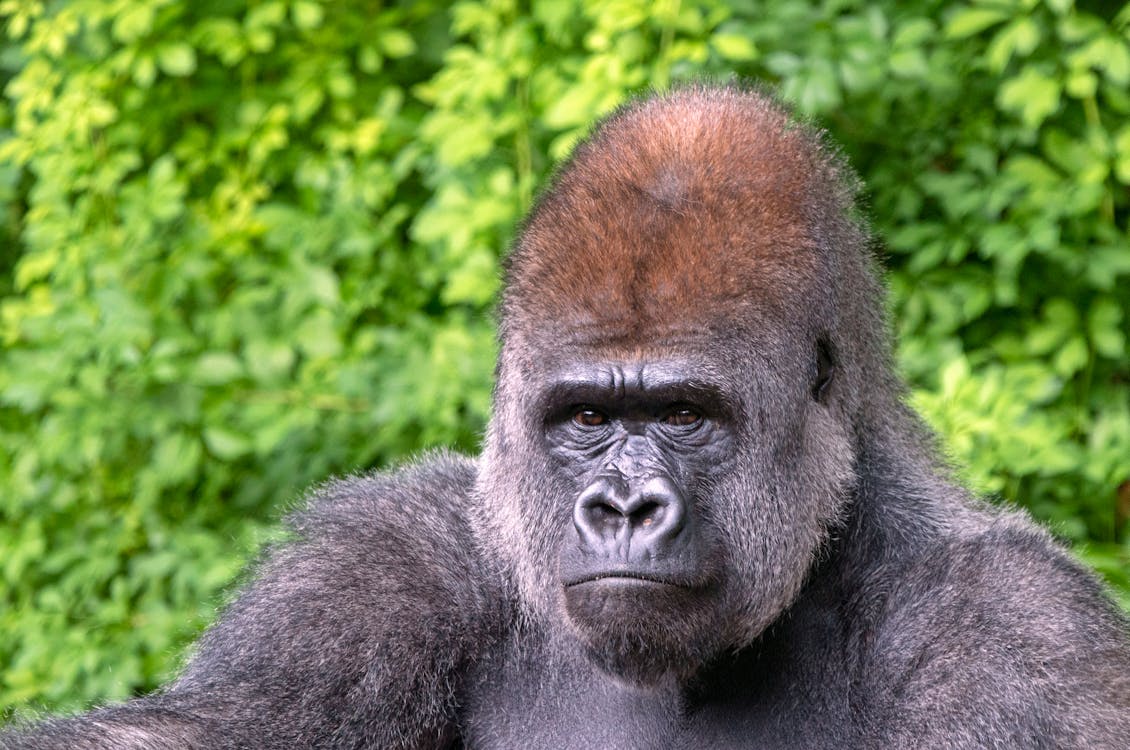
A recent study led by Gaston Abea, an Indigenous researcher from the Congo, has uncovered a new understanding of gorilla foraging behavior in the Nouabalé-Ndoki National Park in Congo. Published in Primates, the research shows that the Western lowland gorillas use soil scratching not to find insects, as previously assumed, but to unearth a type of truffle called Elaphomyces labyrinthinus. This discovery was made through a combination of traditional ecological knowledge and scientific methods, highlighting the importance of incorporating indigenous knowledge into modern research.
Abea, who has worked in the park since 2000, used his traditional knowledge of the forest to track gorilla behaviors, leading to the identification of the truffles that gorillas were foraging for. Over a decade of observations, the team found that while not all gorilla groups engaged in soil scratching, some individuals adopted the behavior when they moved between groups. This suggests that gorillas’ foraging habits may have a social element influenced by the behaviors of the groups they join.
The study also revealed that this behavior had broader implications for conservation. By identifying where gorillas were foraging for truffles, researchers could advise park managers to adjust the location of tourism-related infrastructure to protect the gorillas’ feeding sites. This led to including the Djéké Triangle in the Nouabalé-Ndoki National Park, a significant conservation decision informed by the study’s findings.
Abea’s research marks a milestone in both his career and the integration of indigenous knowledge into scientific research. He is the first research assistant from an Indigenous background to lead a study in the Ndoki region. His work demonstrates how traditional ecological knowledge, scientific research, and conservation efforts can complement each other, ultimately benefiting wildlife protection and our understanding of animal behavior.
References
- Wildlife Conservation Society. (2025, April 16). Gorillas in Congo’s Nouabalé-Ndoki National Park scratch the ground for truffles, not for insects as long assumed. Phys.Org; Wildlife Conservation Society. https://phys.org/news/2025-04-gorillas-congo-nouabal-ndoki-national.html
- Abea, G., Ebika, S. T. N., Sanz, C., Teberd, P., Ebombi, T. F., Brogan, S., De Haan, M., Stephens, C., & Morgan, D. (2024). Long-term observations in the Ndoki forest resolve enduring questions about truffle foraging by western lowland gorillas. Primates, 65(6), 501–514. https://doi.org/10.1007/s10329-024-01151-7


