







Due to geological differences, earthquakes of similar magnitudes can have different effects depending on the region. For instance, the East Coast of the US experiences more intense and far-reaching earthquakes because of its older, more continuous geology, unlike the West Coast’s convoluted bedrock near tectonic boundaries.

Related Posts
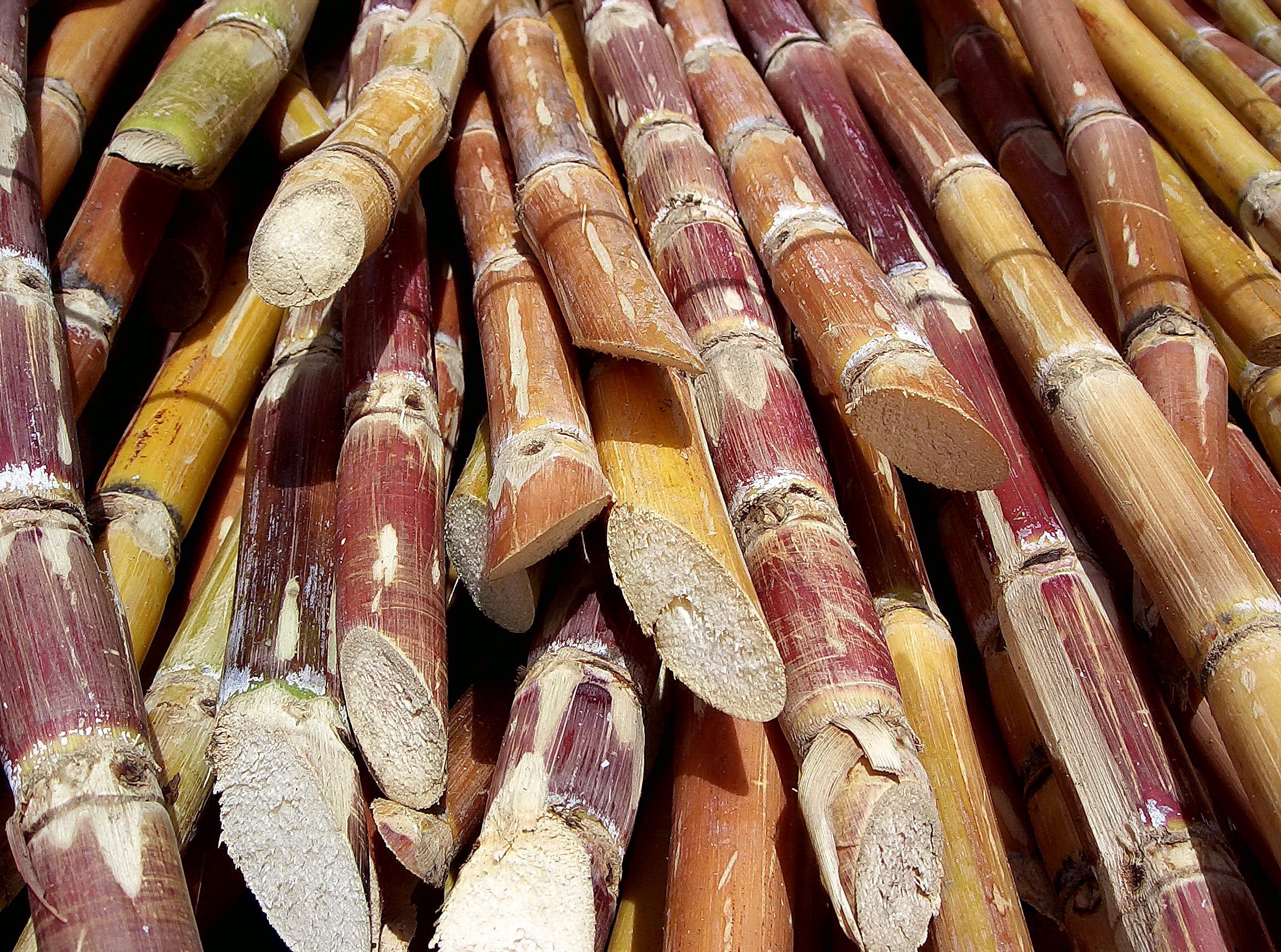
Sugarcane trash can produce energy – what South Africa’s small farmers need to make this happen
Aluwani Maiwashe-Tagwi, University of South Africa and Unity Chipfupa, University of South Africa Bioenergy – the renewable energy…

Research Reveals Puff Adders’ Role in Eco-Friendly Rodent Management for Farmers
Puff adders can boost their food intake over 12-fold during rodent outbreaks, making them highly effective natural pest controllers for African farmers.

Antarctic Ice Shelves Experiencing Unprecedented Loss Over 25-Year Study Period
A recent study published in the journal Science Advances provides crucial insights into the state of Antarctica’s ice…

Stinky seaweed is clogging Caribbean beaches – but a New Zealand solution could turn it into green power and fertiliser
Getty Images Saeid Baroutian, University of Auckland and Terrell Thompson, University of Auckland Rotting seaweed has plagued the…