





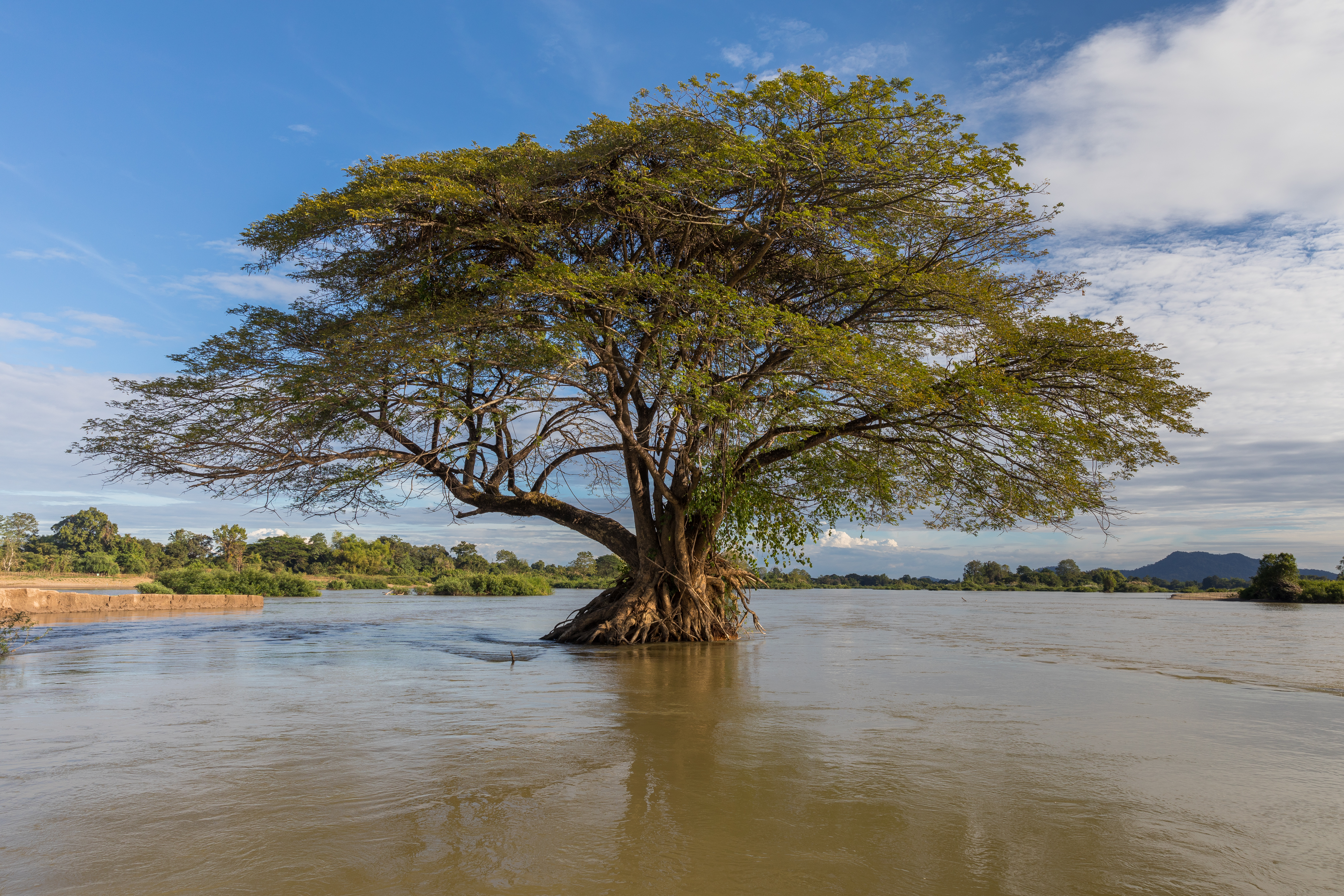

“Trees” aren’t a scientific category; they’re plant shapes adapted to maximize sunlight, resulting in varied and unusual forms like the rainbow eucalyptus, which features multicolored bark due to peeling that exposes layers of chlorophyll and tannins.

Related Posts

Do the northern lights make sounds that you can hear?
John A Davis/Shutterstock Fiona Amery, University of Cambridge It’s a question that has puzzled observers for centuries: do…

My job is full of fossilised poop, but there’s nothing icky about ichnology
The author and a colleague on the hunt for fossil traces. Morena Nava Lara Sciscio, Jurassica Museum If…

Climate change is warping the seasons
Shawnwil23/Shutterstock Jack Marley, The Conversation The seasons aren’t what they used to be. People who live in Earth’s…

The skyscraper-sized tsunami that vibrated through the entire planet and no one saw
Dickson Fjord in August 2023. Just a few weeks later, a large chunk of the mountain would slide…