






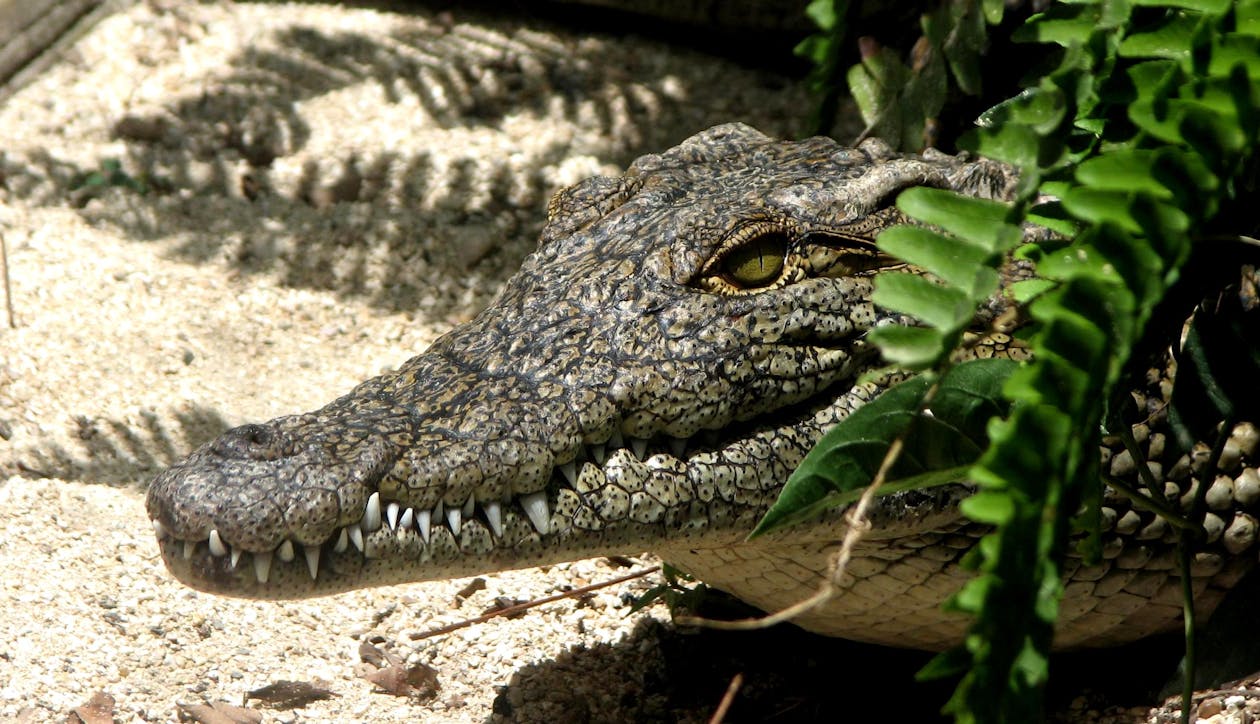

At a Glance
- A new University of Georgia study found that American alligators in specific southeastern habitats contain alarmingly high mercury levels, serving as a critical warning for overall ecosystem health.
- As apex predators, alligators are subject to biomagnification, a process where mercury becomes increasingly concentrated as it moves up the food web from smaller prey to larger animals.
- Researchers discovered a significant geographic disparity. Alligators in Georgia’s Okefenokee Swamp showed mercury concentrations approximately eight times higher than those found in nearby coastal alligator populations.
- These high mercury levels could endanger human health by consuming local fish and game, while mother alligators are also found to pass the toxin to their hatchlings.
- The findings signal an urgent need for future studies to identify the precise sources of mercury pollution and assess its full impact on other wildlife species.
A new study published in Environmental Toxicology and Chemistry and led by University of Georgia researchers reveals that American alligators in some southeastern U.S. habitats carry alarmingly high levels of mercury, a potent neurotoxin. By analyzing blood samples from alligators in three distinct locations, the scientists found that where an alligator lives is the primary driver of its contamination level. Alligators are considered apex predators, meaning they are at the top of the food chain. Their health can serve as a critical indicator for the well-being of their entire ecosystem, raising concerns about how widespread this contamination may be.

The research highlights two key scientific processes: bioaccumulation and biomagnification. Mercury, often introduced into ecosystems through industrial runoff and precipitation, can build up in an organism’s body over its lifetime in bioaccumulation. As this mercury moves up the food chain—from small fish to larger prey and finally to predators like alligators—it becomes increasingly concentrated at each level, a phenomenon known as biomagnification. The team analyzed nitrogen isotopes and blood chemical signatures to understand the alligators’ diets, revealing an animal’s position in the food web. The study confirmed that as alligators grow and shift to eating larger animals, their mercury levels tend to increase, showing a direct link between an alligator’s age, diet, and its toxic burden.
The most dramatic finding was the geographic disparity in mercury concentrations. Alligators from the Okefenokee Swamp in Georgia had approximately eight times higher mercury levels than those from the coastal habitats at Jekyll Island, Georgia, and the Tom Yawkey Wildlife Center in South Carolina. This suggests that the Okefenokee is a regional “hotspot” for mercury. “Mercury is a neurotoxin that is very lethal to organisms,” said Jeb Byers, a study co-author and professor at UGA’s Odum School of Ecology. “If it builds up, it moves through the food web and creates the perfect storm. That’s what we have in the Okefenokee.”
These findings suggest that the toxin could pose a risk to wildlife and humans who may fish or hunt in waters connected to these systems. The study also found that mother alligators can pass mercury to their young, as some hatchlings showed surprisingly high mercury levels. Researchers now aim to pinpoint the specific sources of mercury pollution and investigate its effects on other species within these vital ecosystems. “Now that we know this about one of the apex predators in these systems, we wonder what else is being affected?” said lead author Kristen Zemaitis, a graduate of the Odum School.
References
- Peat, S. & University of Georgia. (2025, June 11). New study shows alligators aren’t all that’s lurking in Georgia’s swamps. Phys.Org; University of Georgia. https://phys.org/news/2025-06-alligators-lurking-georgia-swamps.html
- Zemaitis, K. J., Rainwater, T. R., Moore, Y., Andrews, K. M., Parrott, B. B., & Byers, J. E. (2025). Site-specific ontogenetic drivers of mercury concentrations in American alligators. Environmental Toxicology and Chemistry, 44(6), 1611–1621. https://doi.org/10.1093/etojnl/vgaf060


