





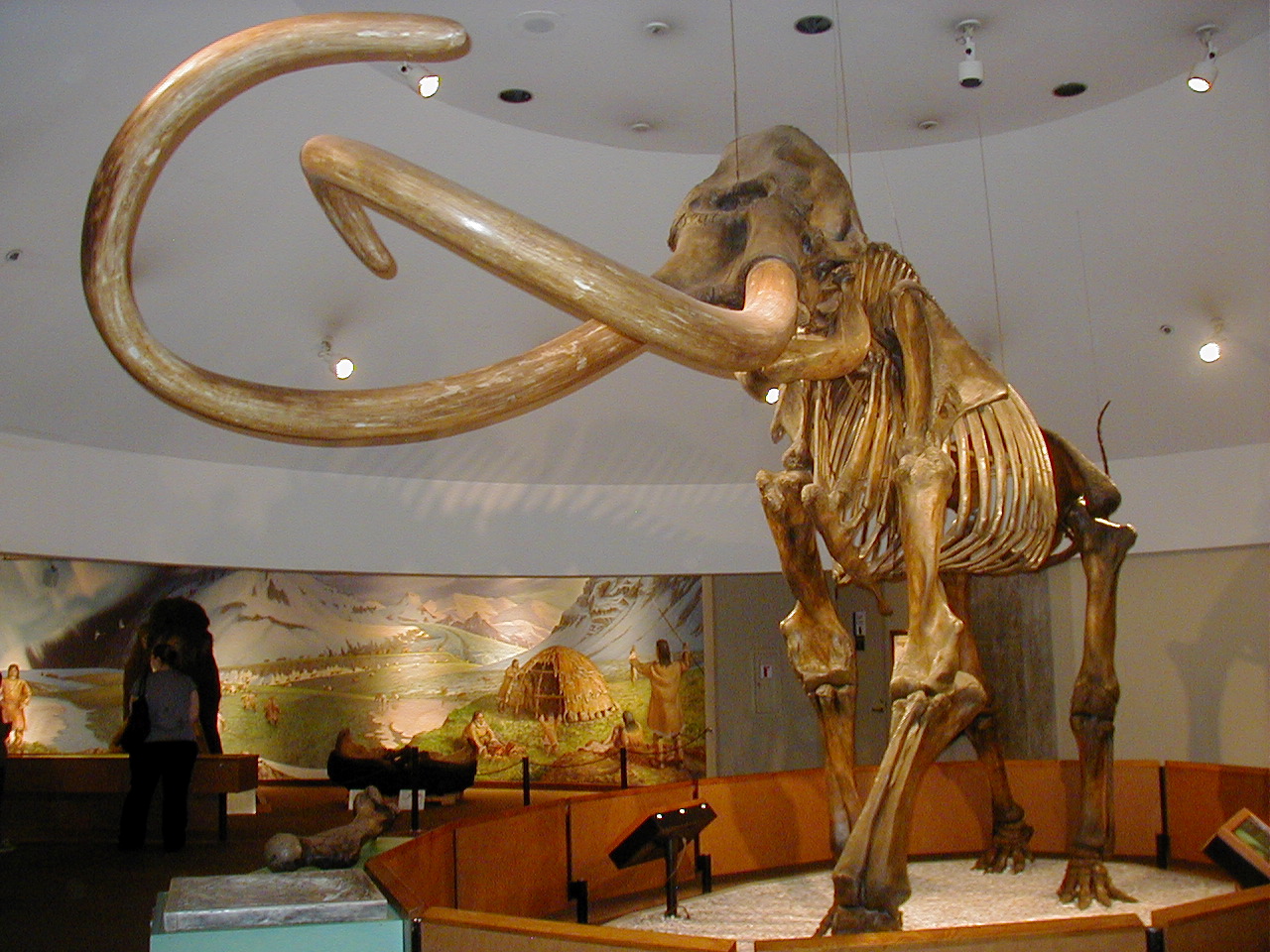

Around 20 million years ago, proboscideans, the ancestors of modern elephants, began expanding from Africa and Arabia into Eurasia and the Americas. Early species lacked the long, flexible trunks we associate with today’s elephants and instead had elongated lower jaws with additional tusks. These long-jawed proboscideans thrived in diverse habitats until trunked species like mammoths and mastodons replaced them due to environmental changes.

Related Posts

Extinct but not gone – the thylacine continues to fascinate us
Menna Elizabeth Jones, University of Tasmania Human life on Earth is utterly dependent on biodiversity but our activities…

South Africa is famous for its biodiversity: a new network will store and manage its plant and animal samples
Biobank samples can be used to support research in a range of disciplines. luchschenF/Shutterstock Michelle Hamer, South African…

Was Spinosaurus a Wader or a Swimmer?
New fossil evidence, from a crocodile-like snout to a massive paddle-shaped tail, has ignited a fierce debate over whether the giant predator Spinosaurus was a shoreline wader or a powerful underwater swimmer.

How we discovered the true origins of a pint of lager – new research
Researchers have uncovered the likely genesis of the yeast used to make lager. DavidedeAngelini / Shutterstock John Morrissey,…