





Winemaker Gustav Heineman discovered the largest geode, filled with celestine crystals and measuring over 10 meters across, on South Bass Island, Ohio, in 1897. The geode formed during the Silurian period, around 430 million years ago, when glaciers melted at the end of the last ice age. Lake Erie water seeped into anhydrite pockets, dissolving them and creating caves.

Related Posts

Ice world: Antarctica’s riskiest glacier is under assault from below and losing its grip
The front of Thwaites Glacier is a jagged, towering cliff. David Vaughan/British Antarctic Survey Ted Scambos, University of…

Intense “Deep” Earthquakes May Be the Key to Revealing Previously-Unknown Details About the Earth’s Mantle
According to a new study published in Nature, a layer of fluid rock could be at the bottom…
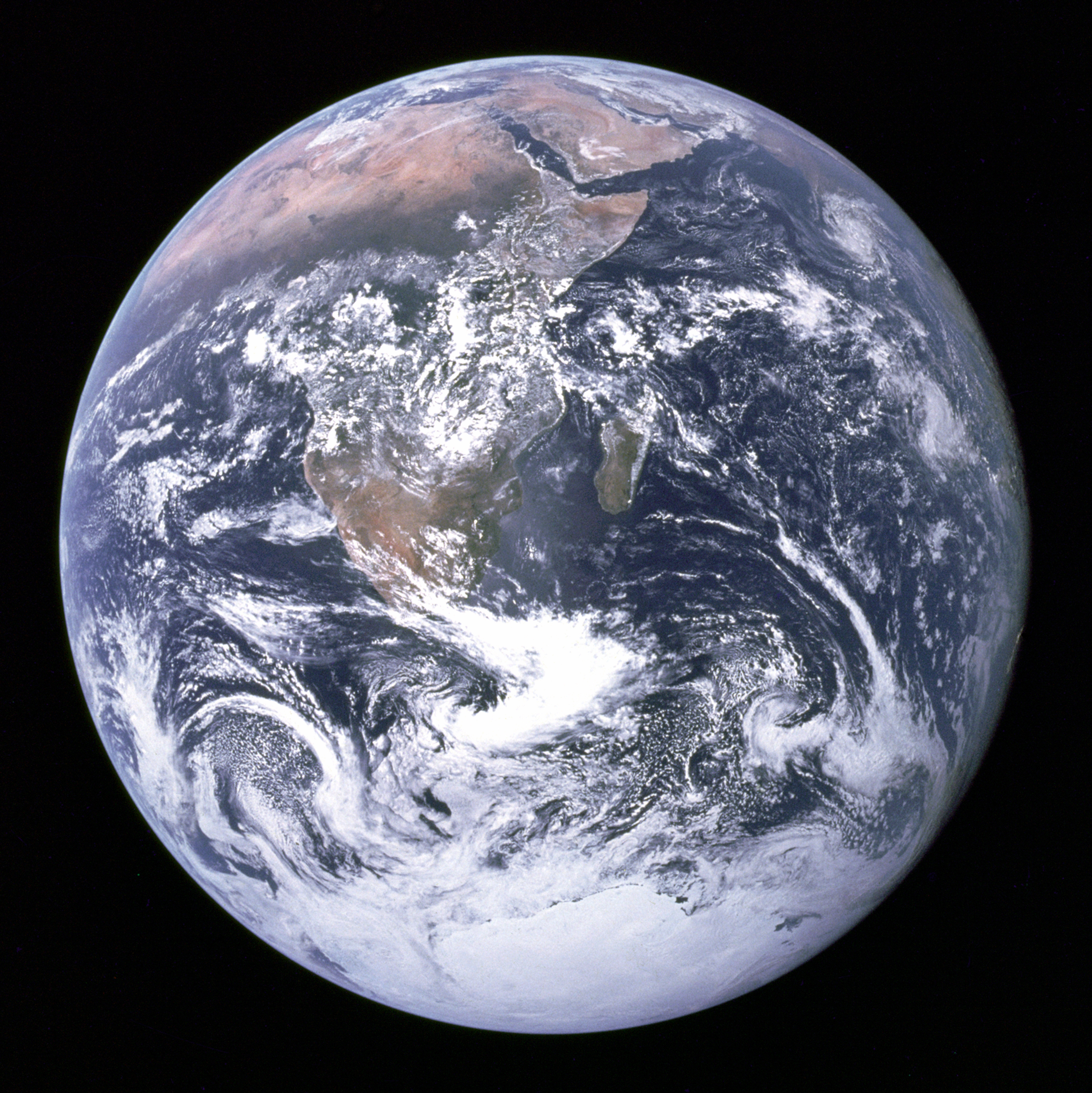
How was the Earth built?
The Earth formed in a ring of debris around the Sun, like the one around Vega, a bright…

A Major Atlantic Ocean Current Is At Risk of Collapsing. Here’s How We Can Save It.
The Atlantic Meridional Overturning Circulation (AMOC) is a critical ocean current that regulates global weather patterns, particularly temperature…