





Mammals, especially deer, are incredibly diverse. They inhabit numerous ecological niches globally, including forests, where they are most prominent. Deer have a complex evolutionary history. They often grow to enormous sizes, with antlers spanning up to 11 feet across, and evolve independently multiple times.

Related Posts

Paleolithic Prey Size Drives Evolution of Hunting Tools and Human Cognition
A recent study by Tel Aviv University‘s Department of Archaeology researchers sheds light on the fascinating interplay between…
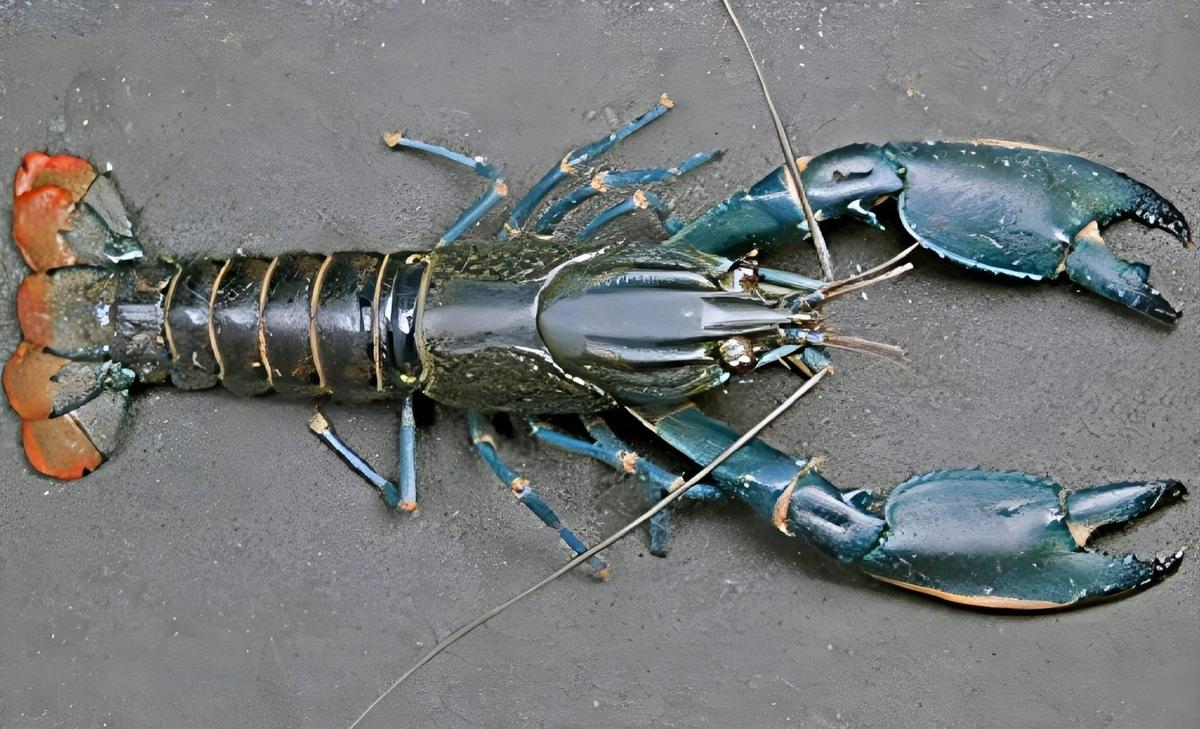
New Species of Crayfish Discovered in Aquarium Shipment
At a Glance Researchers in the Czech Republic have discovered a new species of crayfish, marking an exciting…

Organisms without brains can learn, too – so what does it mean to be a thinking creature?
Shutterstock Thomas White, University of Sydney The brain is an evolutionary marvel. By shifting the control of sensing…

Spiders ‘smell’ with their legs – new research
Male garden spider, Araneus diadematus. Robert Adami/Shutterstock Dan-Dan Zhang, Lund University Spiders have always lived alongside humans, so…